
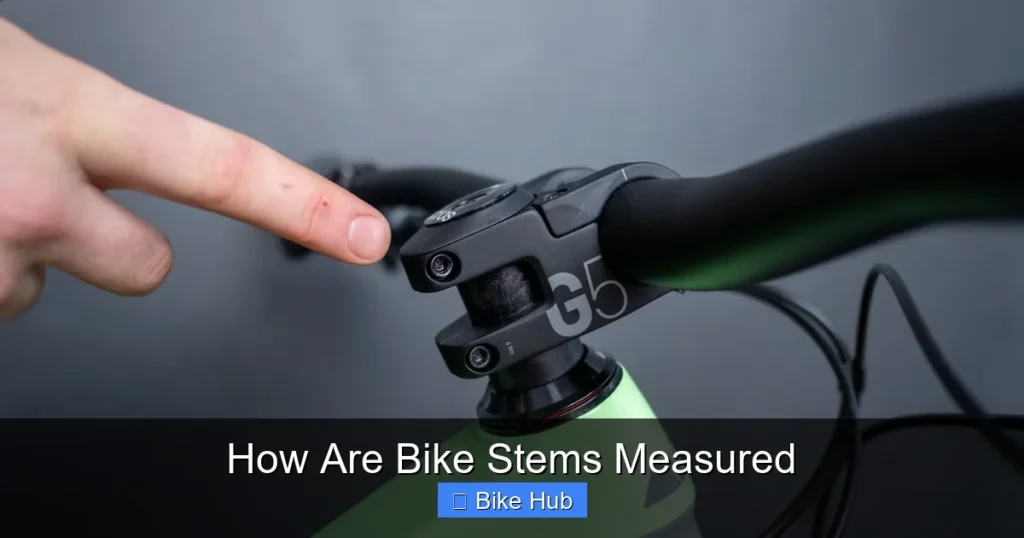
Understanding how bike stems are measured is essential for achieving a comfortable and efficient riding position. This guide breaks down the key dimensions—including length, angle, steerer tube diameter, and handlebar clamp size—so you can confidently choose or replace your stem.
Key Takeaways
- Stem length affects reach and handling—shorter stems offer quicker steering, while longer ones provide stability.
- Stem angle influences your riding posture; positive angles raise the handlebars, negative angles lower them.
- Steerer tube diameter must match your fork—common sizes are 1″, 1⅛”, 1¼”, and 1½”.
- Handlebar clamp diameter must align with your bars—most road bikes use 31.8mm, while older models may use 25.4mm or 26mm.
- Rise and drop refer to how much the stem lifts or lowers the handlebars relative to the steerer tube.
- Aheadset vs. quill stems require different measurement methods—modern bikes typically use aheadset systems.
- Proper measurement ensures safety and comfort—always double-check compatibility before installing a new stem.
Introduction: Why Stem Measurement Matters
If you’ve ever felt uncomfortable on your bike—too stretched out, cramped, or struggling with steering—your stem might be the culprit. The stem connects your handlebars to the fork’s steerer tube, playing a crucial role in bike fit and handling. But how are bike stems measured? Understanding the key dimensions helps you fine-tune your ride, whether you’re upgrading for performance or replacing a worn part.
In this guide, we’ll walk you through every aspect of stem measurement: length, angle, steerer tube diameter, handlebar clamp size, and more. You’ll learn how to measure your current stem, interpret product specs, and choose the right replacement. Whether you ride road, mountain, or hybrid bikes, this knowledge ensures a safer, more enjoyable experience.
Step 1: Understanding Stem Length
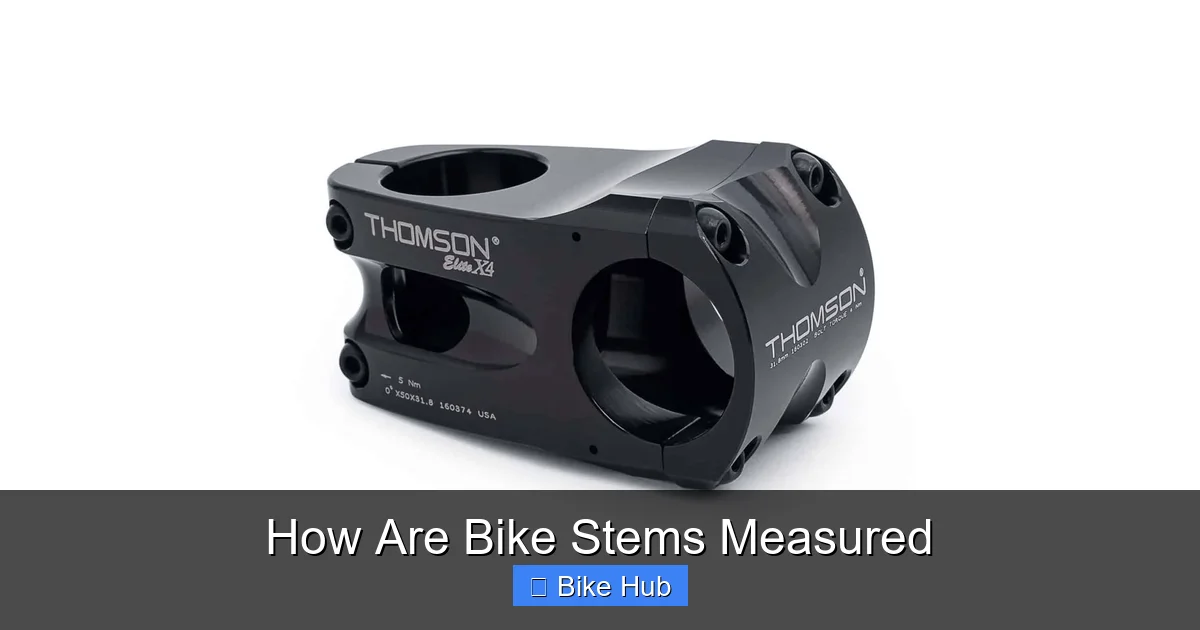
Stem length is one of the most important measurements—it directly affects your reach to the handlebars and how the bike handles.
Visual guide about How Are Bike Stems Measured
Image source: bikethomson.com
What Is Stem Length?
Stem length is the horizontal distance from the center of the steerer tube clamp to the center of the handlebar clamp. It’s typically measured in millimeters (mm), ranging from 35mm (very short) to 130mm (very long), with common sizes between 70mm and 110mm.
How to Measure Stem Length
- Use a tape measure or ruler.
- Place the tape from the center of the steerer tube (where it meets the stem) to the center of the handlebar clamp.
- Measure along the horizontal axis—ignore any rise or angle.
Why Length Matters
A shorter stem brings the handlebars closer, improving maneuverability and reducing strain on your back and shoulders. This is great for technical trails or aggressive road riding. A longer stem increases stability at high speeds but can make the bike feel sluggish in tight turns.
For example, a mountain biker tackling tight switchbacks might prefer a 50mm stem, while a road cyclist on long endurance rides might opt for a 100mm or 110mm stem for a more relaxed position.
Step 2: Measuring Stem Angle and Rise
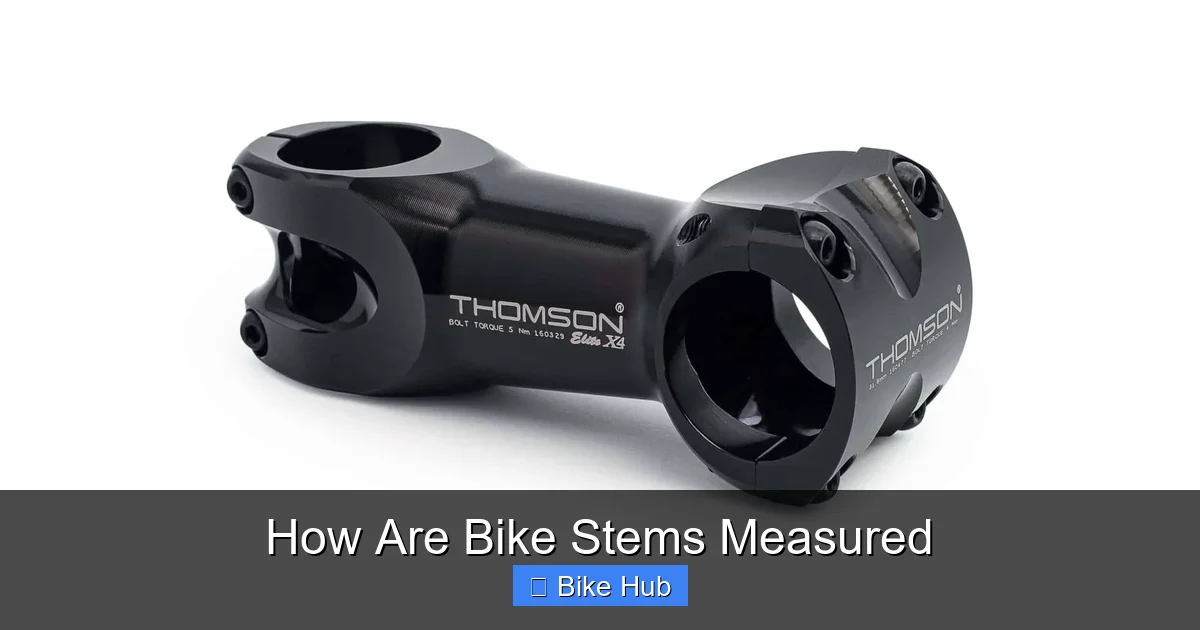
The angle of your stem determines how high or low your handlebars sit relative to the steerer tube. This affects your riding posture significantly.
Visual guide about How Are Bike Stems Measured
Image source: bikethomson.com
What Is Stem Angle?
Stem angle is measured in degrees and indicates how much the stem tilts up or down from horizontal. A positive angle (e.g., +6°) raises the handlebars, while a negative angle (e.g., -10°) lowers them. Some stems are reversible, offering both positive and negative angles.
How to Determine Your Stem Angle
- Look at the manufacturer’s specifications—most stems list the angle clearly.
- If unmarked, use a protractor or digital angle finder across the stem’s extension.
- Compare the stem’s angle to the horizontal plane of the steerer tube.
Rise vs. Angle
Rise refers to the vertical height difference between the steerer tube and handlebar clamp. It’s often listed in millimeters. For instance, a stem with a 35mm rise lifts the bars 35mm higher than a zero-rise stem of the same length. Rise can be more intuitive than angle when adjusting fit.
Tip: If you’re feeling too hunched over, try a stem with more rise or a positive angle. If you want a more aerodynamic position, go lower with a negative angle or less rise.
Step 3: Checking Steerer Tube Diameter
The steerer tube is the part of the fork that inserts into the bike’s head tube. The stem clamps onto this tube, so their diameters must match exactly.
Common Steerer Tube Sizes
- 1 inch (25.4mm): Found on older or vintage bikes.
- 1⅛ inch (28.6mm): Standard for most modern road and mountain bikes.
- 1¼ inch (31.8mm): Less common, used on some performance road bikes.
- 1½ inch (38.1mm): Used on downhill and fat bikes with tapered head tubes.
How to Measure Steerer Tube Diameter
- Use calipers for precision, or a tape measure wrapped around the tube (divide circumference by π).
- Measure the outer diameter of the steerer tube just above the head tube.
- Note: Tapered steerer tubes start at 1⅛” and widen to 1½”—ensure your stem matches the top section.
Using the wrong diameter stem can damage your fork or cause dangerous slippage. Always verify compatibility before purchasing.
Step 4: Measuring Handlebar Clamp Diameter
The handlebar clamp is the part of the stem that grips your handlebars. This diameter must match your bars to ensure a secure fit.
Standard Handlebar Clamp Sizes
- 25.4mm: Older road and mountain bikes.
- 26mm: Common on early 2000s mountain bikes.
- 31.8mm: Standard for modern road, mountain, and hybrid bikes.
- 35mm: Used on some downhill and fat bikes for added stiffness.
How to Measure Handlebar Clamp Diameter
- Check the stem’s product label or packaging.
- Use calipers to measure the inner diameter of the clamp.
- Alternatively, measure the handlebar diameter where it inserts into the stem.
Tip: If you’re upgrading handlebars, make sure your new stem matches the clamp size. Mismatched diameters can lead to slipping or cracking.
Step 5: Aheadset vs. Quill Stems
Modern bikes use aheadset stems, but older models may have quill stems. The measurement process differs slightly.
Aheadset Stems
These clamp directly onto the steerer tube above the head tube. They’re adjustable and allow for easy height changes by adding or removing spacers. Most new bikes use this system.
Quill Stems
Found on older or city bikes, quill stems insert into the steerer tube and are secured with a bolt. They’re measured by overall length (from insertion point to handlebar clamp) and steerer tube diameter.
When replacing a quill stem, ensure the new one fits the steerer tube’s inner diameter and doesn’t exceed the maximum insertion mark.
Practical Tips for Choosing the Right Stem
- Test before you buy: If possible, try different stems to feel the difference in handling and comfort.
- Consider your riding style: Aggressive riders may prefer shorter stems; endurance cyclists often like longer ones.
- Use spacers wisely: Adding spacers under the stem can fine-tune height without changing stems.
- Check for compatibility: Ensure your new stem works with your bike’s head tube length and fork type.
- Don’t forget torque specs: Over-tightening stem bolts can damage components. Use a torque wrench for safety.
Troubleshooting Common Stem Issues
Even with correct measurements, problems can arise. Here’s how to fix them:
Handlebars Feel Too High or Low
Adjust stem angle or add/remove spacers. If that’s not enough, consider a stem with more rise or drop.
Stem Slips During Riding
This usually means the clamp bolts aren’t tight enough or the diameters don’t match. Recheck measurements and torque settings.
Steering Feels Twitchy or Slow
Likely due to incorrect stem length. A shorter stem improves responsiveness; a longer one adds stability.
Stem Doesn’t Fit the Steerer Tube
Double-check the diameter. If it’s close but not exact, don’t force it—this can crack the stem or damage the fork.
Conclusion: Get the Right Fit for Your Ride
Knowing how bike stems are measured empowers you to optimize your bike’s fit and performance. By understanding stem length, angle, steerer tube diameter, and handlebar clamp size, you can make informed decisions when upgrading or replacing parts. A well-chosen stem improves comfort, control, and safety—whether you’re cruising city streets or shredding mountain trails.
Take the time to measure carefully, consult your bike’s specs, and don’t hesitate to ask for help at your local shop. Your perfect ride starts with the right connection between you and your handlebars.



