
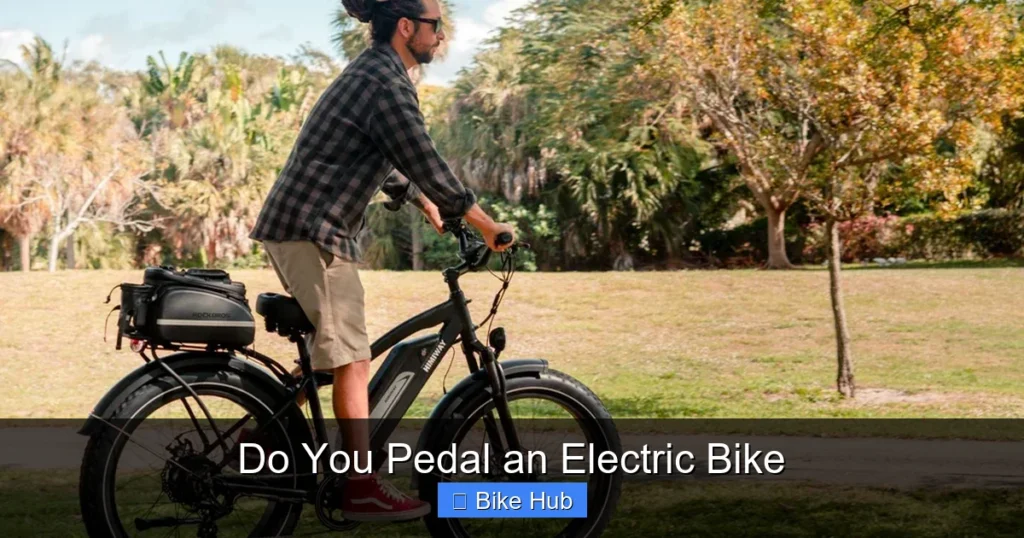
Yes, most electric bikes require pedaling, but they also offer motor assistance to make riding easier. This guide explains how e-bike pedaling works, when you can rely on the motor alone, and how to get the best performance from your electric bike.
Key Takeaways
- Most e-bikes require pedaling: The motor only assists when you pedal, making it easier to ride longer distances or up hills.
- Throttle-only mode exists on some models: A few e-bikes let you ride without pedaling using a throttle, similar to a scooter.
- Pedaling extends battery life: The more you pedal, the less the motor works, helping your battery last longer.
- Adjustable assist levels help control effort: You can choose low, medium, or high motor support based on your fitness and terrain.
- Proper pedaling technique improves efficiency: Smooth, steady pedaling works best with the motor for optimal performance.
- Safety and laws may require pedaling: In many areas, e-bikes must be pedaled to qualify as legal low-speed electric bicycles.
- Maintenance matters: Keep your chain, tires, and battery in good shape for the best pedaling experience.
Do You Pedal an Electric Bike? A Complete How-To Guide
If you’re new to electric bikes, one of the first questions you might ask is: Do you pedal an electric bike? The short answer is: yes, in most cases, you do. But it’s not as simple as a regular bike—electric bikes (or e-bikes) combine human power with electric assistance to give you a smoother, more enjoyable ride.
In this guide, you’ll learn exactly how pedaling works on an e-bike, when you can skip pedaling, and how to get the most out of your electric ride. Whether you’re commuting, exploring trails, or just cruising around town, understanding how to pedal an electric bike will help you ride smarter, farther, and more efficiently.
How Electric Bikes Work: Pedal Assist vs. Throttle
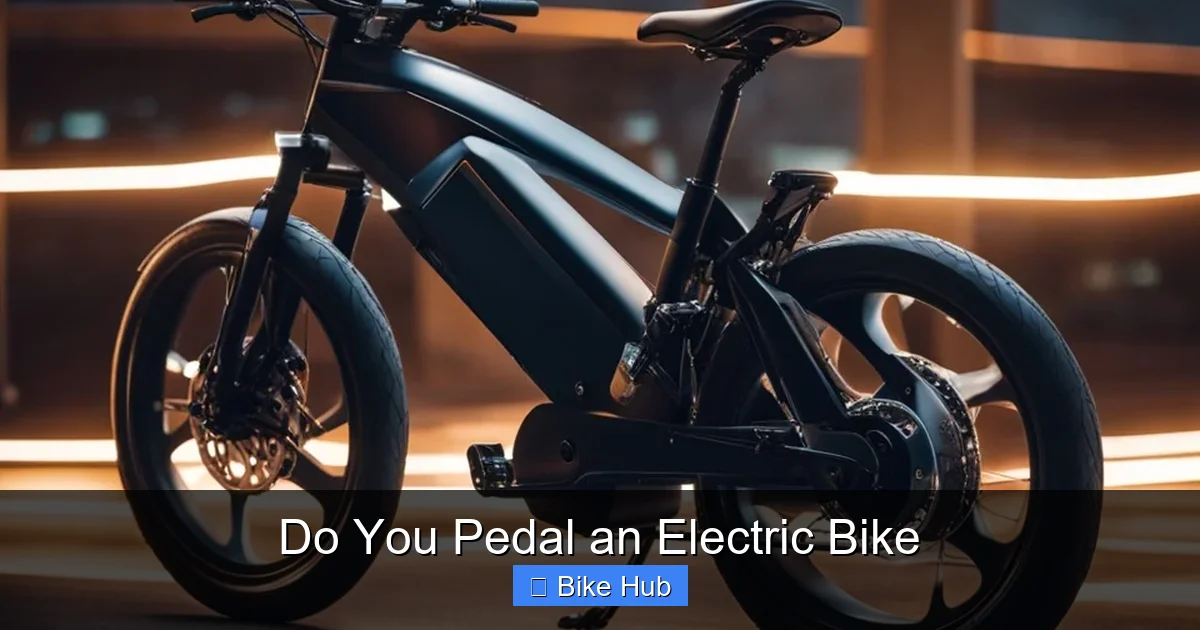
Visual guide about Do You Pedal an Electric Bike
Image source: electricbikelabs.net
Electric bikes come in two main types based on how the motor is activated: pedal-assist and throttle-powered.
Pedal-Assist E-Bikes (Most Common)
On a pedal-assist e-bike, the motor only turns on when you start pedaling. Sensors detect your pedaling motion and send power to the motor, which gives you a boost. The harder or faster you pedal, the more assistance you get—up to the bike’s speed limit (usually 20 mph in the U.S.).
This system encourages you to pedal while making it feel easier. It’s like having a gentle tailwind pushing you along. Most e-bikes sold today are pedal-assist models, and they’re often required by law in many regions to qualify as “low-speed electric bicycles.”
Throttle-Only E-Bikes (Less Common)
Some e-bikes come with a throttle—usually a twist-grip or thumb lever—that lets you ride without pedaling at all. This works like a scooter or motorcycle. You simply twist or press the throttle, and the motor does all the work.
While convenient, throttle-only riding drains the battery faster and may not be legal in all areas. In the U.S., Class 2 e-bikes have throttles but are limited to 20 mph. Always check local laws before relying on throttle-only mode.
When Should You Pedal an Electric Bike?
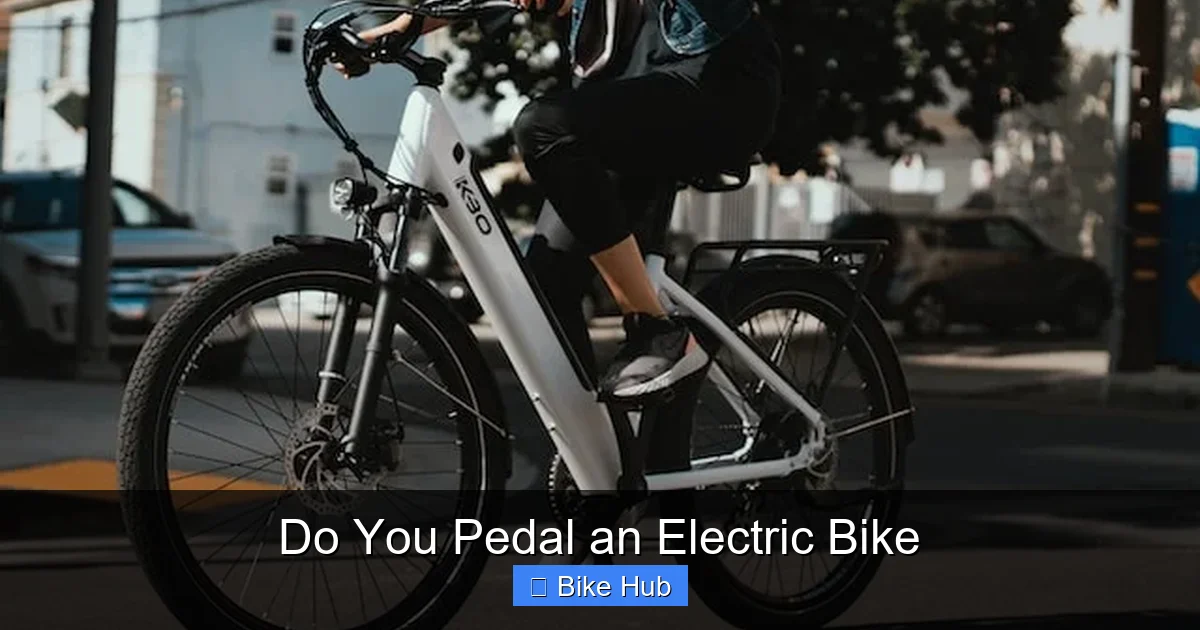
Visual guide about Do You Pedal an Electric Bike
Image source: electricbikeexplorer.com
Even if your e-bike has a throttle, pedaling is still recommended in most situations. Here’s why and when to do it:
1. To Conserve Battery Life
The motor uses battery power, and the more it runs, the faster the battery drains. By pedaling, you reduce the load on the motor. For example, if you’re riding on flat ground, light pedaling with low assist can double your range compared to using the throttle the whole time.
2. To Ride Faster and Farther
Pedaling gives you more control over your speed. On a hill or into a headwind, combining your leg power with motor assistance helps you maintain speed without overworking the battery. This is especially useful on long commutes or weekend adventures.
3. To Stay Legal
In many places, e-bikes must be pedaled to be classified as bicycles rather than motor vehicles. For instance, in the European Union, e-bikes must cut off motor assistance above 15.5 mph and only work when you pedal. In the U.S., Class 1 and Class 3 e-bikes are pedal-assist only.
4. To Get Exercise
One of the biggest benefits of e-bikes is that they encourage physical activity. You can adjust the assist level to match your fitness goals—low assist for a workout, high assist for recovery days. It’s a great way to stay active without overexerting yourself.
How to Pedal an Electric Bike: Step-by-Step
Now that you know why pedaling matters, here’s how to do it effectively:
Step 1: Choose the Right Assist Level
Most e-bikes have multiple assist settings—usually labeled Eco, Tour, Sport, and Turbo (or similar). Start with Eco mode for gentle assistance and longer battery life. Use Sport or Turbo for hills or when you need a stronger boost.
Tip: If you’re unsure, begin with a low setting and increase as needed. You can always adjust it while riding.
Step 2: Start Pedaling Smoothly
Don’t mash the pedals like you’re sprinting. Instead, use a steady, smooth cadence—around 60–80 revolutions per minute (RPM). This helps the motor engage efficiently and prevents jerky starts.
If your bike has a torque sensor (common on higher-end models), it responds to how hard you press the pedals. Gentle pressure gives gentle assistance; firm pressure gives more power.
Step 3: Shift Gears Properly
Just like a regular bike, e-bikes have gears. Use lower gears for starting from a stop or climbing hills, and higher gears for flat roads or downhill. Shifting at the right time reduces strain on your legs and the motor.
Pro tip: Shift before you need to—don’t wait until you’re straining to change gears.
Step 4: Use the Throttle Wisely (If Available)
If your bike has a throttle, use it sparingly—like for quick starts at traffic lights or when you’re too tired to pedal. But remember: throttle-only riding uses more battery and may not be legal everywhere.
Step 5: Monitor Your Battery
Keep an eye on your battery level. If it’s low, increase your pedaling effort or switch to a lower assist mode. Most e-bikes have a display showing battery percentage, speed, and assist level.
Practical Tips for Better Pedaling
Maintain a Comfortable Posture
Sit upright with relaxed shoulders. Keep your elbows slightly bent and your hands lightly on the handlebars. This reduces fatigue and helps you pedal more efficiently.
Wear the Right Gear
Even though e-bikes make riding easier, safety matters. Always wear a helmet—check out our guide on bike helmet accessories you need for added protection. Comfortable clothing and gloves can also improve your ride.
Check Your Tire Pressure
Underinflated tires create drag, making pedaling harder. Use a best electric bike pump to keep your tires at the recommended PSI. This small step can make a big difference in how your bike feels.
Keep Your Chain Lubricated
A dry or dirty chain increases friction, forcing you to pedal harder. Clean and lube your chain regularly to keep it running smoothly.
Troubleshooting Common Pedaling Issues
Problem: Motor Doesn’t Kick In When I Pedal
- Check that the battery is charged and properly connected.
- Ensure the pedal-assist sensor is clean and aligned (located near the crank).
- Verify that the assist level is turned on via the display or control panel.
Problem: Pedaling Feels Jerky or Uneven
- This could be due to a misaligned chain or worn drivetrain.
- Check for loose bolts or damaged components.
- Try lowering the assist level to reduce motor surges.
Problem: Battery Drains Too Fast
- You might be using high assist or throttle too often.
- Check tire pressure and chain condition.
- Consider riding in Eco mode and pedaling more consistently.
Choosing the Right E-Bike for Your Needs
Not all e-bikes are created equal. If you plan to pedal often, look for a model with:
– A torque sensor (for smoother assistance)
– Multiple assist levels
– A comfortable, upright riding position
– Good gear range
For example, if you’re commuting in the city, a best electric bike for commuting will offer reliability, good range, and ease of use. If you’re tackling trails, consider a model designed for off-road performance.
Always test ride before buying to see how the pedaling feels. A good e-bike should feel natural—like the motor is working with you, not replacing you.
Conclusion
So, do you pedal an electric bike? Yes—and you should. While some e-bikes let you ride without pedaling, combining your leg power with electric assistance gives you better range, more control, and a healthier ride.
By understanding how pedal-assist works, choosing the right assist level, and maintaining your bike, you’ll get the most out of every journey. Whether you’re riding to work, exploring nature, or just enjoying the breeze, pedaling your e-bike is part of the fun.
Remember: an electric bike isn’t a scooter—it’s a partnership between you and the motor. Pedal smart, ride safe, and enjoy the ride.



