
Wondering if your dirt bike needs insurance? While not always legally required, insurance can protect you from costly repairs, liability claims, and theft. This guide breaks down when coverage is mandatory, what types are available, and how to choose the right policy for your riding style and location.
Key Takeaways
- Legal requirements vary by state: Some states require liability insurance for dirt bikes used on public land or roads, while others don’t.
- Off-road use may not need coverage: If you only ride on private property or closed courses, insurance might be optional—but still wise.
- Liability protection is crucial: Even if not required, liability coverage shields you from financial responsibility if you injure someone or damage property.
- Comprehensive and collision cover theft and damage: These add-ons help pay for repairs or replacement if your bike is stolen or wrecked.
- Check with local authorities: Always verify rules with your state’s DMV or motor vehicle department before hitting the trails.
- Insurance can lower long-term costs: A small monthly premium could save thousands in out-of-pocket expenses after an accident.
- Specialized policies exist for dirt bikes: Don’t assume auto insurance covers your off-road machine—look for motorcycle or off-road vehicle plans.
Do Dirt Bikes Need Insurance? A Complete Guide
If you’re a dirt bike enthusiast, you’ve probably asked yourself: *Do dirt bikes need insurance?* The short answer? It depends—but skipping coverage could cost you big time. Whether you’re ripping through muddy trails, jumping at a local skatepark, or cruising forest service roads, understanding your insurance needs is essential for both legal compliance and financial protection.
In this guide, we’ll walk you through everything you need to know about dirt bike insurance—from legal requirements and coverage types to cost-saving tips and common mistakes to avoid. By the end, you’ll know exactly whether you need a policy and how to get the best one for your situation.
Understanding When Dirt Bike Insurance Is Required
Visual guide about Do Dirt Bikes Need Insurance
Image source: bike-hud.com
The first step in deciding whether you need insurance is knowing where and how you ride.
Riding on Public Roads or Trails
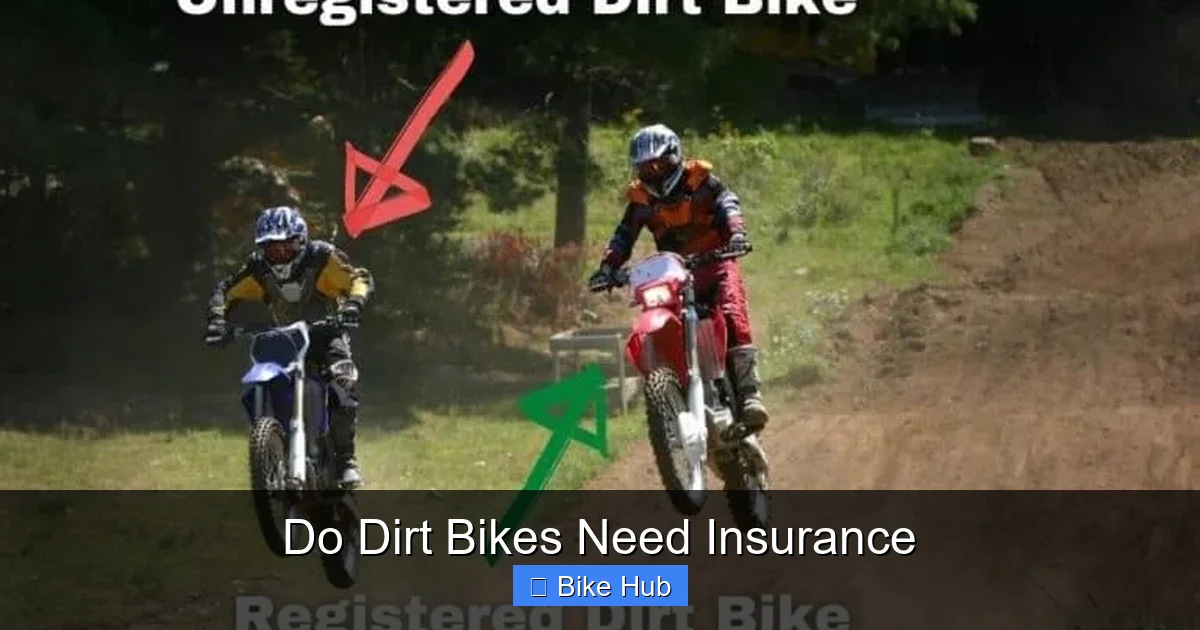
If your dirt bike is street-legal—meaning it has lights, mirrors, a horn, and meets emissions standards—you’ll likely need to register it and carry liability insurance. States like California, Texas, and Florida require proof of insurance for any motorized vehicle operated on public roads, including modified dirt bikes.
Even if your bike isn’t street-legal, some states mandate insurance if you ride on public lands, such as national forests or state parks. Always check your state’s Department of Motor Vehicles (DMV) website or contact them directly.
Private Property vs. Public Land
When you ride exclusively on private property—like your backyard, a friend’s farm, or a closed private track—insurance is usually not required by law. However, that doesn’t mean you’re off the hook. If you cause injury or property damage, you could still be held personally liable. That’s why many riders opt for coverage even when it’s not mandatory.
Organized Events and Competitions
If you participate in races, motocross events, or organized trail rides, event organizers often require proof of insurance. They want to protect themselves—and you—from liability in case of accidents. Some clubs even offer group insurance plans for members.
Types of Dirt Bike Insurance Coverage
Visual guide about Do Dirt Bikes Need Insurance
Image source: frontaer.com
Not all insurance policies are created equal. Here are the main types of coverage available for dirt bikes:
Liability Coverage
This is the most basic and often required form of insurance. It covers bodily injury and property damage you cause to others in an accident. For example, if you accidentally hit another rider or damage a fence, liability insurance pays for their medical bills or repairs—not yours.
Collision Coverage
Collision pays to repair or replace your dirt bike if it’s damaged in a crash, regardless of who’s at fault. This is especially valuable if you own a high-end model like those discussed in our review of the best dirt jump bikes for all levels.
Comprehensive Coverage
This protects against non-collision incidents like theft, vandalism, fire, or weather damage. If your bike is stolen from your garage or destroyed in a storm, comprehensive coverage can help you get back on two wheels faster.
Uninsured/Underinsured Motorist Protection
If another rider causes an accident and doesn’t have insurance—or doesn’t have enough—this coverage steps in to pay for your medical expenses and bike repairs.
Medical Payments Coverage
Also known as MedPay, this helps cover your own medical costs after an accident, regardless of fault. It’s a smart add-on, especially if you don’t have robust health insurance.
How to Choose the Right Insurance Policy
Picking the right plan doesn’t have to be overwhelming. Follow these steps to find coverage that fits your needs and budget.
Step 1: Assess Your Riding Habits
Ask yourself:
– Where do I ride most often? (Public trails, private land, tracks?)
– How often do I ride?
– Is my bike street-legal?
– Do I participate in events?
Your answers will determine which coverages are essential. Frequent trail riders may prioritize comprehensive and collision, while occasional weekend warriors might focus on liability.
Step 2: Compare Quotes from Specialized Insurers
Don’t rely on your auto insurance provider—most don’t cover off-road vehicles. Instead, look for companies that specialize in motorcycle or off-road vehicle insurance. Get quotes from at least three providers to compare rates and coverage limits.
Step 3: Check Deductibles and Limits
A lower deductible means higher premiums, but less out-of-pocket cost when you file a claim. Choose a deductible you can comfortably afford. Also, make sure your coverage limits are high enough to protect your assets—especially if you own other valuable property.
Step 4: Read the Fine Print
Some policies exclude certain activities, like racing or jumping. If you love pulling off tricks on a dirt jump bike designed for skateparks, ensure your policy covers that use. Others may require your bike to be stored in a locked garage—so know the conditions.
Cost Factors That Affect Your Premium
Several factors influence how much you’ll pay for dirt bike insurance:
- Bike value: More expensive models cost more to insure.
- Rider age and experience: Younger or less experienced riders often face higher rates.
- Location: Urban areas with higher theft rates may increase premiums.
- Coverage level: Adding comprehensive and collision raises costs but offers greater protection.
- Safety record: A clean riding history can lead to discounts.
On average, basic liability-only policies start around $100–$200 per year, while full coverage can range from $300 to $600 annually.
Troubleshooting Common Insurance Issues
Even with the best planning, problems can arise. Here’s how to handle common scenarios:
“My Auto Insurance Covers My Dirt Bike”
False! Most standard auto policies explicitly exclude off-road vehicles. Always confirm with your insurer—or assume you’re not covered.
“I Only Ride on Private Land—Do I Really Need Insurance?”
While not legally required, consider this: a single lawsuit over property damage or injury could cost tens of thousands. A $150 annual policy is a small price for peace of mind.
“My Bike Was Stolen—Will Insurance Pay?”
Only if you have comprehensive coverage. And remember: you’ll need to report the theft to police and provide documentation. Keep your bike’s VIN, photos, and purchase receipts handy.
“Can I Insure an Electric Dirt Bike?”
Yes! Electric models like the best electric dirt bikes for adults are insurable just like gas-powered ones. Some insurers even offer green discounts for eco-friendly rides.
Final Tips for Smart Coverage
– Bundle policies: Some insurers offer discounts if you also have home or auto insurance with them.
– Install anti-theft devices: GPS trackers or alarms can lower your premium.
– Take a safety course: Completing a certified riding program may qualify you for a discount.
– Review annually: Reassess your coverage each year, especially if you upgrade your bike or change riding habits.
Conclusion
So, do dirt bikes need insurance? Legally, maybe not—but practically, absolutely. Whether you’re navigating rocky trails or launching off ramps, unexpected accidents happen. Insurance isn’t just about following the law; it’s about protecting your wallet, your bike, and your future.
Take the time to understand your state’s requirements, evaluate your risk, and choose a policy that matches your lifestyle. A little preparation today can prevent a financial disaster tomorrow. And remember—riding should be fun, not stressful. With the right coverage, you can focus on the ride, not the what-ifs.



