
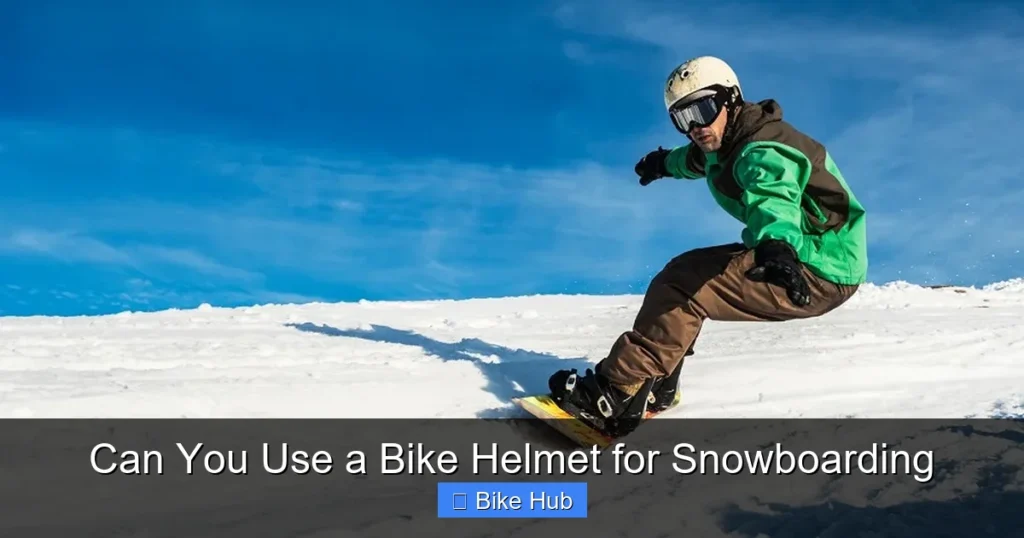
While it might seem convenient to use a bike helmet for snowboarding, it’s not recommended due to key safety and design differences. This guide explains why snowboarding helmets are better suited for cold-weather impacts and how to choose the right head protection.
[FEATURED_IMAGE_PLACEHER]
Key Takeaways
- Bike helmets aren’t designed for snow sports: They lack insulation, ear protection, and certification for snowboarding impacts.
- Snowboarding helmets meet stricter safety standards: They’re tested for cold-weather crashes and multi-directional forces.
- Comfort and fit differ significantly: Snow helmets accommodate goggles and thick layers, while bike helmets prioritize ventilation.
- Using the wrong helmet increases injury risk: A bike helmet may crack in cold temps or fail during a high-speed fall on snow.
- Always prioritize certified gear: Look for ASTM F2040 or CE EN 1077 certifications when choosing a snowboarding helmet.
- Proper fit is essential: Learn how to measure your head and adjust straps for maximum protection.
- Accessories matter: Goggle compatibility, audio systems, and ventilation are built into snow helmets—not bike models.
Can You Use a Bike Helmet for Snowboarding? A Complete Safety Guide
So you’ve got a day on the slopes planned, your board is waxed, and your boots are laced—but then you realize you don’t own a snowboarding helmet. You do, however, have a trusty bike helmet sitting in your garage. It’s hard, it fits, and it’s been through plenty of spills. So… can you use a bike helmet for snowboarding?
The short answer? Technically, yes—but it’s not safe, and it’s definitely not recommended.
In this guide, we’ll break down why bike helmets and snowboarding helmets are built for different purposes, what risks you take by using the wrong gear, and how to choose the right helmet for your winter adventures. Whether you’re a beginner hitting the bunny slope or an experienced rider tackling black diamonds, your head deserves the best protection possible.
Why Helmet Design Matters in Winter Sports
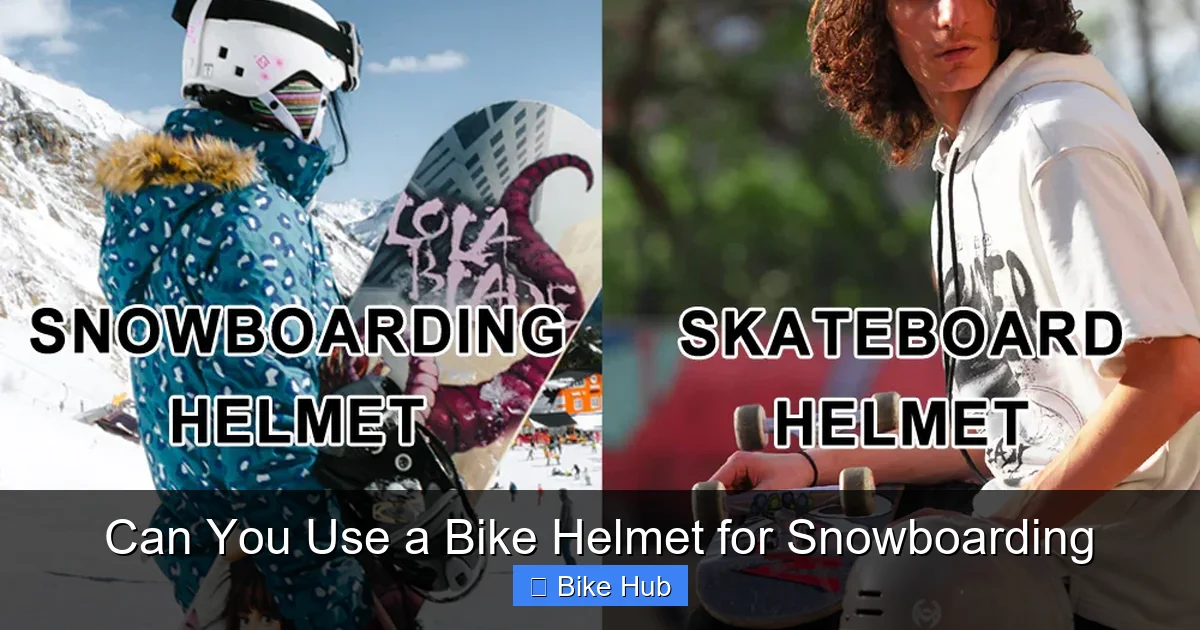
Visual guide about Can You Use a Bike Helmet for Snowboarding
Image source: noblemantech.com
Helmets aren’t one-size-fits-all—even though they might look similar at first glance. Bike helmets and snowboarding helmets are engineered for very different environments and types of impact.
Impact Conditions Are Different
When you fall off a bike, you’re usually moving at moderate speeds on pavement or dirt. The impact is often linear—straight down or forward. Bike helmets are designed to absorb that kind of force efficiently.
Snowboarding, on the other hand, involves high speeds, icy surfaces, and unpredictable terrain. Falls can happen at angles, with rotational forces that twist the head and neck. Snowboarding helmets are tested for these multi-directional impacts, which bike helmets are not built to handle.
Temperature and Material Performance
Cold weather changes how materials behave. A bike helmet’s plastic shell and foam liner can become brittle in freezing temperatures. If you take a hard fall on ice, that helmet might crack instead of absorbing the impact—putting your skull at risk.
Snowboarding helmets use materials specifically chosen to stay flexible and effective in sub-zero conditions. They’re also insulated to keep your head warm, which bike helmets are not.
Certification Standards Vary
Bike helmets in the U.S. must meet CPSC (Consumer Product Safety Commission) standards. These are great for cycling—but they don’t account for snow sport risks.
Snowboarding helmets, however, are certified under standards like ASTM F2040 (U.S.) or CE EN 1077 (Europe). These tests simulate cold-weather impacts, higher speeds, and angled collisions. Using a bike helmet means you’re skipping these critical safety checks.
Bike Helmet vs. Snowboarding Helmet: Key Differences
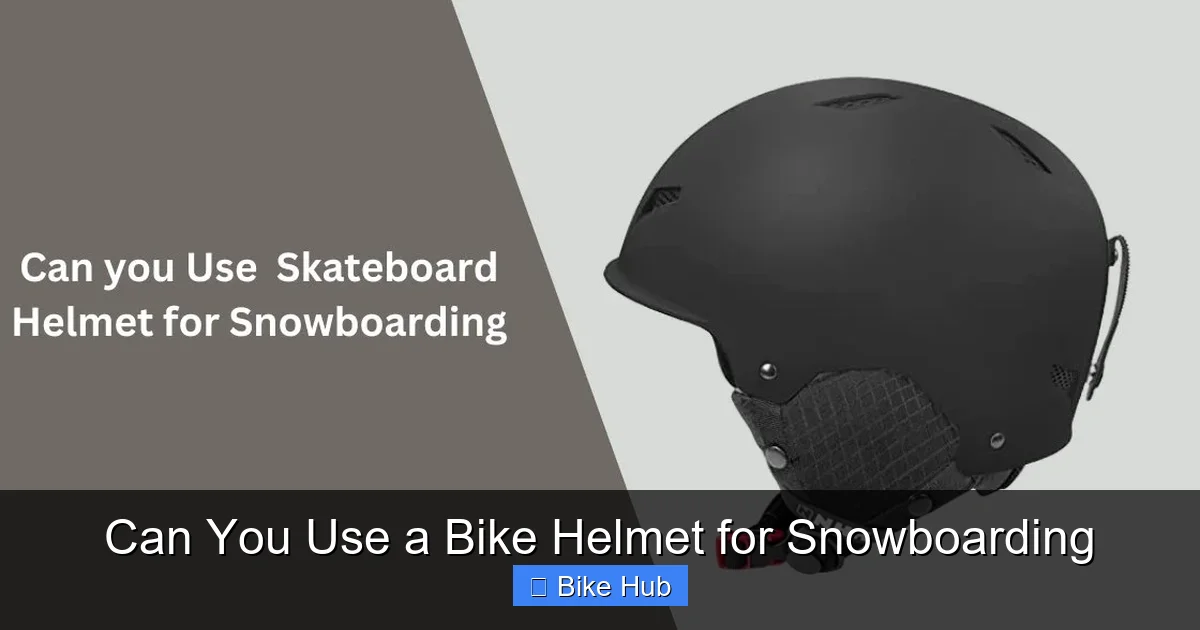
Visual guide about Can You Use a Bike Helmet for Snowboarding
Image source: skateboardviews.com
Let’s compare the two side by side so you can see why swapping them isn’t a good idea.
Ventilation and Insulation
Bike helmets have lots of vents to keep you cool during long rides. That’s great in summer—but in winter, those vents let in cold air and snow, making you uncomfortable and increasing the risk of frostbite on your ears and scalp.
Snowboarding helmets have fewer vents and often include adjustable airflow systems. Many also come with built-in insulation or removable liners to trap heat. Some even have ear pads for extra warmth and protection.
Ear and Side Protection
Snowboarding helmets cover more of your head, including the sides and back. They often include padded ear cups that protect against wind, cold, and side impacts.
Bike helmets leave your ears exposed. In a fall, this could mean direct trauma to the side of your head—something snow helmets are designed to prevent.
Goggle Compatibility
One of the biggest practical issues? Goggles. Snowboarding goggles need to fit snugly against your face and helmet. Most snow helmets have a shaped brim and strap guides that hold goggles in place.
Bike helmets don’t. Trying to wear goggles with a bike helmet often leads to gaps, fogging, or the goggles slipping off mid-run. That’s not just annoying—it’s dangerous when visibility drops on the mountain.
Weight and Fit
Snowboarding helmets are generally heavier than bike helmets, but that extra weight comes from added protection and insulation. They’re also shaped to accommodate layers—like beanies or balaclavas—underneath.
Bike helmets are lighter and more aerodynamic, but they sit higher on the head and don’t offer the same coverage. Wearing one on the slopes can feel loose or unstable, especially in windy conditions.
Can You Get Away With It? The Risks of Using a Bike Helmet
We get it—sometimes you just need to get out there. Maybe you’re borrowing gear, or it’s your first time and you don’t want to invest yet. But before you strap on that bike helmet, know the risks.
Increased Risk of Head Injury
Without proper certification for snow impacts, a bike helmet may not protect you in a serious fall. The foam might not compress correctly, or the shell could shatter on ice. Even a seemingly minor crash can lead to concussion or worse if your helmet fails.
Reduced Comfort and Performance
Cold ears, foggy goggles, and a helmet that shifts around will ruin your ride. You’ll be distracted, uncomfortable, and less confident—making you more likely to make mistakes.
Insurance and Liability Issues
Some ski resorts require certified helmets for rentals or lessons. If you’re involved in an accident and found to be using non-compliant gear, your insurance claim could be denied. It’s not worth the gamble.
How to Choose the Right Snowboarding Helmet
If you’re serious about snowboarding—even as a beginner—investing in a proper helmet is a must. Here’s how to pick the right one.
Step 1: Check for Safety Certifications
Look for labels that say ASTM F2040 (U.S.) or CE EN 1077 (Europe). These confirm the helmet has passed snow sport safety tests. Don’t buy a helmet without them.
Step 2: Measure Your Head
Use a soft tape measure to find the circumference of your head, about 1 inch above your eyebrows. Compare this to the manufacturer’s sizing chart. A proper fit is snug but not tight—no pressure points.
For help with fitting, check out our guide on how to properly fit a bike helmet—the same principles apply to snow helmets.
Step 3: Try It On with Goggles
Always test your helmet with the goggles you plan to use. There should be no gap between the helmet brim and the top of the goggles. The goggle strap should sit securely in the helmet’s strap guides.
Step 4: Adjust the Fit System
Most snow helmets have a dial-fit system at the back. Turn it to tighten or loosen the fit. The helmet should stay put when you shake your head—no sliding forward, backward, or side to side.
Step 5: Consider Extras
Look for features like:
– Removable liners (for washing and warmth control)
– Audio compatibility (for headphones or comms systems)
– Adjustable vents (to manage airflow)
– MIPS technology (for added rotational impact protection)
For more on helmet upgrades, see our article on bike helmet accessories you need—many of these apply to snow helmets too.
Troubleshooting Common Helmet Issues
Even with the right helmet, you might run into problems. Here’s how to fix them.
Helmet Feels Too Tight
Try removing the inner padding or using a thinner beanie underneath. If it’s still uncomfortable, you may need a larger size.
Goggles Keep Fogging
Make sure your helmet vents are open. Anti-fog spray on your goggles and a breath deflector can also help. Avoid wearing a buff or scarf that directs warm air upward into the goggles.
Helmet Shifts During Riding
Re-adjust the fit dial and chin strap. The strap should form a “V” under your ears and be snug enough that you can’t fit more than two fingers between it and your chin.
Chin Strap Broke
Don’t ride without it. If you’re in a pinch, check out our guide on how to fix a broken bike helmet buckle—the same repair techniques often work on snow helmets.
Final Thoughts: Safety First on the Slopes
Using a bike helmet for snowboarding might seem like a quick fix, but it’s a compromise that puts your safety at risk. Snowboarding helmets are designed for the unique demands of winter sports—cold weather, high speeds, and complex impacts. They offer better protection, comfort, and compatibility with essential gear like goggles.
If you’re planning to ride regularly, spend the money on a certified snowboarding helmet. Your brain will thank you. And if you’re still building your winter gear collection, consider pairing your new helmet with other essentials like proper layers, gloves, and a reliable board.
Remember: the mountain is fun, but it’s also unpredictable. The right gear doesn’t just improve your experience—it protects your life.
Stay safe, stay warm, and enjoy the ride.



