
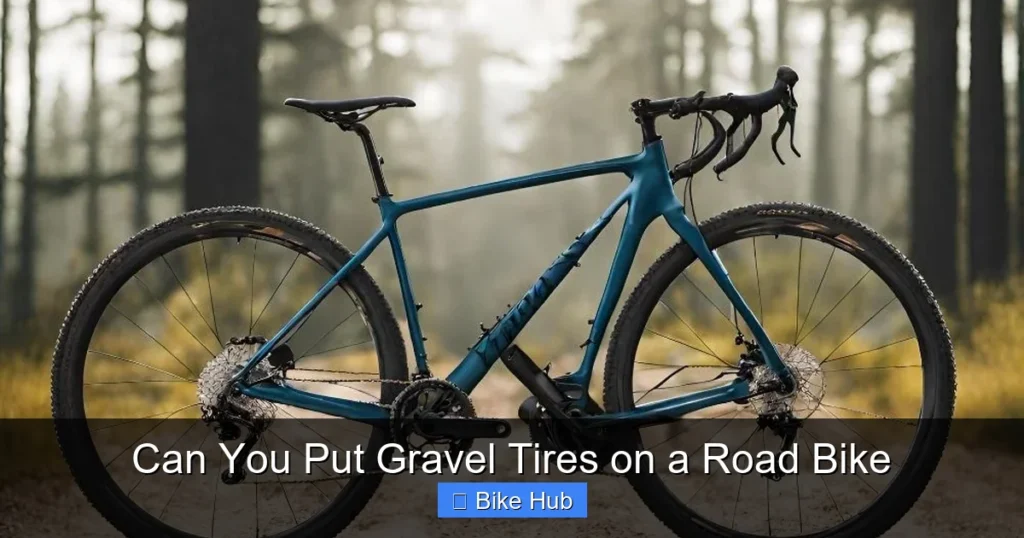
Yes, you can put gravel tires on a road bike, but only if your frame, fork, and brakes have enough clearance. This guide walks you through checking compatibility, choosing the right tires, installing them safely, and adjusting your riding style for mixed terrain.
Key Takeaways
- Check tire clearance first: Measure your frame and fork to ensure gravel tires fit without rubbing.
- Brake type matters: Rim brakes may limit tire width; disc brakes offer more flexibility.
- Choose the right tire width: Most road bikes accept 28–40mm gravel tires, depending on setup.
- Tubeless is ideal: Tubeless gravel tires reduce flats and improve comfort on rough roads.
- Adjust riding style: Wider, knobbier tires change handling—practice on safe terrain first.
- Maintain proper pressure: Lower PSI improves grip but avoid going too low to prevent rim damage.
- Not all road bikes are compatible: Older or race-focused models may not fit wider tires at all.
Can You Put Gravel Tires on a Road Bike?
If you’re a road cyclist curious about venturing off the pavement—maybe for gravel paths, light trails, or rougher country roads—you might be wondering: Can I just swap my road tires for gravel ones? The short answer is: yes, in many cases. But it’s not as simple as just popping on a new set of tires. Your bike’s design, brake type, and frame geometry all play a role.
This guide will walk you through everything you need to know about putting gravel tires on a road bike—from checking compatibility to installation and riding tips. Whether you’re looking to expand your riding options or prepare for a mixed-surface adventure, this guide has you covered.
Why Consider Gravel Tires on a Road Bike?
Gravel tires offer several advantages over traditional road tires:
- Better grip on loose or uneven surfaces: Knobbier tread patterns provide traction on dirt, gravel, and wet pavement.
- Increased comfort: Wider tires absorb more shock, reducing fatigue on long rides.
- Versatility: Ride from pavement to gravel paths without switching bikes.
- Lower risk of punctures: Thicker casings and tubeless setups resist flats better than thin road tires.
Many riders use gravel tires for commuting, bikepacking, or exploring rural roads. If your road bike can accommodate them, it’s a smart upgrade for mixed-terrain riding.
Step 1: Check Your Bike’s Tire Clearance
Before buying any tires, you must confirm your road bike can physically fit wider gravel tires. Here’s how:
Measure Frame and Fork Clearance
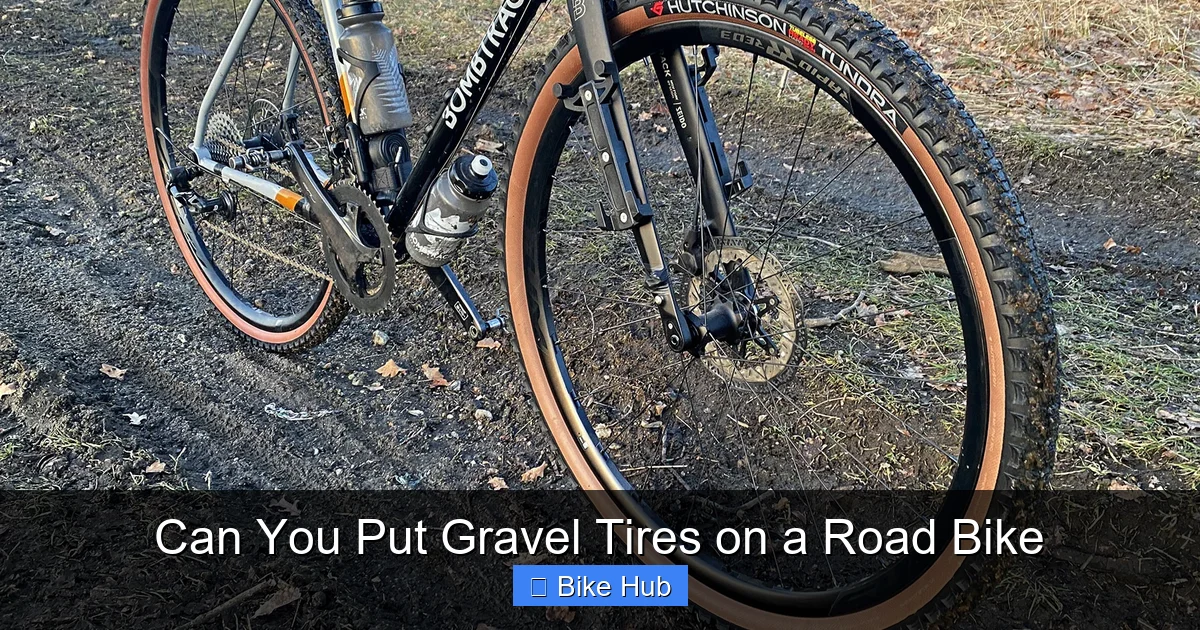
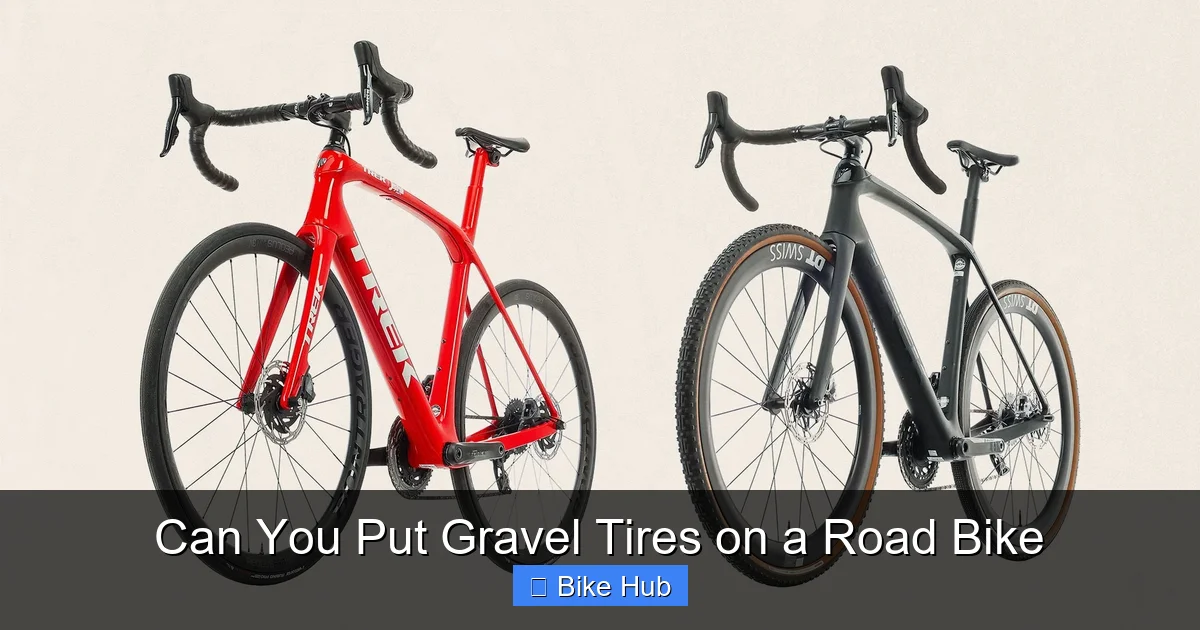
Use a ruler or caliper to measure the space between your current tire and the frame or fork. Do this at the tightest points—usually near the chainstays, seatstays, and fork blades. Add at least 3–5mm of clearance on each side to prevent rubbing.
Visual guide about Can You Put Gravel Tires on a Road Bike
Image source: bikerumor.com
Visual guide about Can You Put Gravel Tires on a Road Bike
Image source: foldingbikerider.com
Check Manufacturer Specs
Look up your bike model online or in the owner’s manual. Many modern road bikes list maximum tire width (e.g., “up to 32mm” or “35mm with fenders”). If your bike is from the last 5–10 years, it may already support wider tires.
Test with a Business Card
A quick trick: slide a business card between your current tire and the frame. If it fits with room to spare, you likely have clearance for slightly wider tires. For gravel tires, aim for at least 28mm—but 32–40mm is ideal for real off-road capability.
Step 2: Consider Your Brake Type
Your brake system greatly affects tire compatibility.
Rim Brakes (Caliper or Cantilever)
Most traditional road bikes use rim brakes, which clamp onto the wheel’s rim. These systems have limited clearance and typically max out around 28–32mm. If your bike has narrow brake calipers, you may not fit true gravel tires (35mm+).
Disc Brakes (Mechanical or Hydraulic)
Disc brakes are mounted on the frame and fork, not the rim, so they allow much wider tire clearance. If your road bike has disc brakes, you’re in luck—many can fit 35–45mm tires, making gravel setups much easier.
Tip: If you’re unsure, check your brake type. Disc brakes have a rotor near the hub; rim brakes touch the wheel’s outer edge.
Step 3: Choose the Right Gravel Tires
Not all gravel tires are created equal. Here’s what to look for:
Tire Width
For most road bikes, 28–35mm is a safe range. If your frame allows, go up to 40mm for better off-road performance. Avoid going too wide—it can affect handling and may not fit.
Tread Pattern
Choose a tread based on your terrain:
- Light file tread: Good for hardpack dirt and light gravel (e.g., Best Bike Tires for Hardpack Dirt).
- Moderate knobs: Better for loose gravel and muddy conditions.
- Aggressive tread: For technical trails—may be overkill on a road bike.
Tubeless vs. Tubed
Tubeless tires are highly recommended for gravel riding. They run lower pressures without pinch flats and seal small punctures automatically. If your wheels support tubeless, consider How to Install Tubeless Bike Tires for a step-by-step guide.
Recommended Models
Popular gravel tires that work well on road bikes include:
- Continental Terra Speed (35mm)
- WTB Riddler (37mm)
- Schwalbe G-One Allround (40mm)
- Vittoria Terreno Zero (32mm)
These offer a balance of speed, comfort, and durability.
Step 4: Install the Gravel Tires
Once you’ve confirmed compatibility and chosen your tires, it’s time to install.
Remove Old Tires
Deflate the tire completely. Use tire levers to carefully remove one side of the tire from the rim. Pull out the inner tube (if tubed), then remove the tire.
Install New Tires
Start by seating one side of the new tire onto the rim. Insert the tube (or tubeless valve if going tubeless). Then work the other side of the tire onto the rim. Avoid using excessive force—gravel tires can be tight.
Inflate and Check
Inflate the tire gradually. Listen for even seating—both beads should snap into place. Spin the wheel to check for wobbles or rubbing against the frame or brakes.
Pro Tip: If using tubeless tires, you’ll need sealant. Follow our guide on How to Install Bike Tires With Sealant for best results.
Step 5: Adjust Tire Pressure
Gravel tires run at lower pressures than road tires for better grip and comfort.
Use a Tire Pressure Calculator
Start with a baseline: for a 35mm tire, try 35–45 PSI on pavement, 25–35 PSI on gravel. Adjust based on weight and terrain. Heavier riders need more pressure; lighter riders can go lower.
Avoid Going Too Low
Too little pressure can cause pinch flats or rim damage, especially on rough terrain. Use a reliable gauge and check pressure before every ride.
For more on maintaining proper tire pressure, see How Often to Pump Bike Tires.
Troubleshooting Common Issues
Tire Rubbing Frame or Brakes
If your new tires rub, double-check clearance. You may need narrower tires or to adjust brake pads (for rim brakes). In some cases, a fork or frame swap is needed—but that’s rare.
Difficulty Installing Tires
Gravel tires are often tighter than road tires. Use soapy water on the bead to help them slide on. A floor pump with a burst valve can help seat tubeless tires.
Poor Handling or Sluggish Feel
Wider tires add rolling resistance. If your ride feels slow, check pressure—too high reduces comfort; too low increases drag. Also, consider a faster-rolling tread pattern.
Final Tips for Riding with Gravel Tires
- Practice on safe terrain first: Get used to the new feel before hitting rough trails.
- Lower your saddle slightly: Improves control on loose surfaces.
- Shift your weight back: When climbing or descending gravel, stay balanced.
- Carry a repair kit: Even tubeless tires can fail. Bring plugs, a pump, and a spare tube.
- Clean your drivetrain often: Gravel and dirt increase wear. Follow our How to Clean a Road Bike Drivetrain guide regularly.
Conclusion
Putting gravel tires on a road bike is a great way to expand your riding horizons—if your bike allows it. With proper clearance, the right tire choice, and correct installation, you can enjoy smoother, more versatile rides on pavement, gravel, and light trails. Just remember: not all road bikes are built for this upgrade. Always check compatibility first, and when in doubt, consult a local bike shop.
Whether you’re prepping for a gravel adventure or just want a more comfortable commute, gravel tires can transform your road bike into a true all-road machine.



