

Kayo dirt bikes offer solid performance, reliable builds, and great value—especially for beginners and younger riders. While they may not match high-end brands in premium features, they deliver dependable off-road fun at an affordable price.
Key Takeaways
- Great for beginners: Kayo bikes are lightweight, easy to handle, and designed with new riders in mind.
- Affordable pricing: You get decent performance without breaking the bank—ideal for entry-level budgets.
- Durable construction: Built with sturdy frames and basic suspension, they handle trail abuse well.
- Limited top-end power: Not built for pro racing, but perfect for casual trail riding and skill-building.
- Easy maintenance: Simple mechanics mean you can service them yourself with basic tools.
- Electric options available: Kayo offers electric models like the Kayo K1, great for quiet, eco-friendly rides.
- Safety first: Always wear protective gear, especially when starting out on any dirt bike.
Are Kayo Dirt Bikes Good? A Complete Buyer’s Guide
If you’re wondering, “Are Kayo dirt bikes good?”—you’re not alone. With so many budget-friendly dirt bikes flooding the market, it’s hard to know which ones are worth your time and money. Kayo has carved out a niche as a reliable, no-frills brand that delivers solid performance for beginners, teens, and casual trail riders. In this guide, we’ll break down everything you need to know about Kayo dirt bikes: their strengths, weaknesses, who they’re best suited for, and how to choose the right model.
Whether you’re buying your first dirt bike or adding to a growing collection, this guide will help you decide if Kayo is the right fit for your riding style and budget.
What Makes Kayo Dirt Bikes Stand Out?

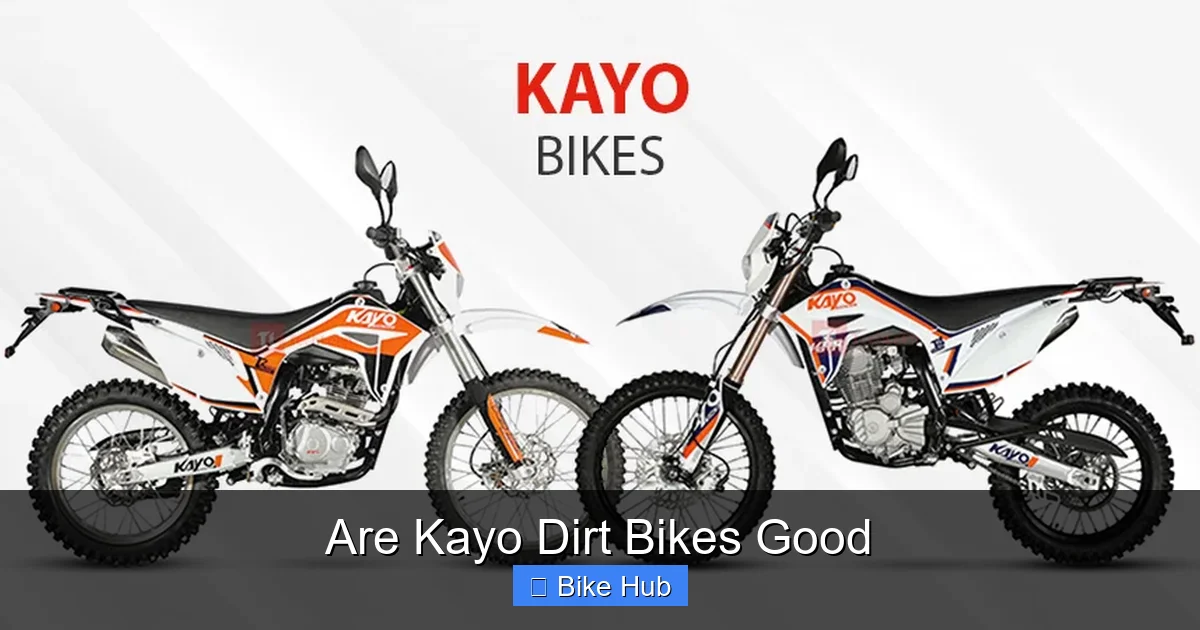
Visual guide about Are Kayo Dirt Bikes Good
Image source: thekeyfact.com
Kayo dirt bikes are known for their simplicity, affordability, and beginner-friendly design. Unlike high-end brands that focus on racing specs and advanced engineering, Kayo prioritizes accessibility. Their bikes are built to be ridden—not just admired.
One of the biggest draws is their price point. Most Kayo models range from $800 to $1,500, making them significantly cheaper than name-brand competitors like Honda or Yamaha. But low cost doesn’t always mean low quality. Kayo uses decent components—basic air-cooled engines, front and rear suspension, and durable steel frames—that hold up well under normal trail use.
They also offer both gas-powered and electric models. The electric Kayo K1, for example, is quiet, emission-free, and perfect for backyard practice or neighborhood trails where noise matters.
Who Are Kayo Bikes Best For?
Kayo dirt bikes shine brightest with new riders. If you’re teaching your kid how to ride, or you’re an adult picking up the sport later in life, a Kayo bike removes the intimidation factor. They’re lightweight (usually under 100 lbs), have manageable power output, and feature low seat heights that make mounting and dismounting easy.
They’re also great for:
– Families looking for affordable weekend fun
– Riders who want a secondary bike for casual trail rides
– Anyone testing the waters before investing in a higher-end machine
However, if you’re planning to race competitively or tackle extreme terrain, you might want to look at more specialized options. For serious motocross or enduro riding, consider models from brands with stronger aftermarket support and performance tuning.
Performance and Build Quality: What to Expect
Visual guide about Are Kayo Dirt Bikes Good
Image source: techlekh.com
Let’s get into the nitty-gritty: how do Kayo dirt bikes actually perform?
Most Kayo models come with 50cc to 125cc 4-stroke engines. These aren’t speed demons—top speeds typically range from 25 to 40 mph—but that’s exactly what makes them safe and controllable for new riders. The power delivery is smooth and predictable, which helps build confidence.
The suspension setup includes basic front forks and a rear mono-shock. It’s not plush like what you’d find on a full-suspension mountain bike, but it absorbs bumps well enough for dirt trails, grassy fields, and light jumps. Don’t expect to hit big doubles, but small rollers and whoops are totally manageable.
Frame construction is another strong point. Kayo uses high-tensile steel, which is heavier than aluminum but more impact-resistant. This means your bike can survive a few crashes without cracking or bending—a huge plus for learners.
Electric vs. Gas: Which Kayo Model Should You Choose?
Kayo offers both gas and electric dirt bikes, each with unique advantages.
Gas models (like the Kayo KX50 or KX125) give you longer ride times and the classic dirt bike experience—roaring engines, gear shifting, and that unmistakable smell of two-stroke oil (on older models). They’re better for longer trail sessions and don’t require charging.
Electric models (such as the Kayo K1) are quieter, require almost no maintenance, and produce instant torque. They’re perfect for younger riders or those who want to practice in residential areas without disturbing neighbors. However, battery life is limited—usually 1–2 hours of ride time—and recharge times can take several hours.
If you’re torn between the two, ask yourself: Do you value convenience and quiet operation? Go electric. Want range and traditional riding feel? Stick with gas.
Maintenance and Longevity: Keeping Your Kayo Running Smoothly
One of the biggest concerns with budget dirt bikes is durability. Can a Kayo really last?
The short answer: yes—if you maintain it properly.
Kayo bikes are mechanically simple. There are no complex electronics or proprietary parts. This means most repairs and tune-ups can be done at home with basic tools. Regular oil changes, air filter cleaning, chain lubrication, and spark plug checks will keep your bike running for years.
Common issues to watch for include:
– Loose bolts (always check before riding)
– Worn brake pads (replace when thin)
– Chain stretch (adjust tension regularly)
Unlike some ultra-cheap brands, Kayo provides decent customer support and replacement parts are relatively easy to find online. Just avoid skipping routine maintenance—neglect is the #1 killer of budget dirt bikes.
Troubleshooting Common Problems
Even the best bikes run into hiccups. Here’s how to handle a few Kayo-specific issues:
Bike won’t start? Check the fuel valve, spark plug, and choke setting. Cold starts often need the choke engaged.
Poor acceleration? Clean or replace the air filter. A clogged filter restricts airflow and kills performance.
Chain slipping? Adjust the rear axle to tighten the chain. Most Kayo models have simple chain tensioners.
Battery not holding charge (electric models)? Ensure you’re using the correct charger and avoid draining the battery completely. Lithium batteries last longer when kept between 20% and 80% charge.
When in doubt, consult the owner’s manual or reach out to Kayo’s support team. And remember: always wear a helmet and protective gear, no matter how minor the issue seems.
Comparing Kayo to Other Budget Brands
How does Kayo stack up against rivals like Razor, MotoTec, or TST?
In terms of build quality, Kayo sits comfortably in the middle. Razor focuses heavily on kids’ electric bikes (like the MX350), which are fun but lack upgrade potential. MotoTec offers powerful electric models (see our Mototec 36V Pro review), but their gas bikes can be hit-or-miss on reliability.
TST dirt bikes are similar in price and performance to Kayo, but Kayo edges ahead with better suspension and slightly more refined ergonomics. That said, if you’re comparing specific models, always check real user reviews—not just specs.
For adult beginners, we often recommend starting with a Kayo or checking out our guide to the best starter dirt bikes for adults, which includes Kayo alongside other top picks.
Safety Tips for New Kayo Riders
No matter how “good” a dirt bike is, safety should always come first. Kayo bikes are designed to be beginner-friendly, but that doesn’t mean they’re risk-free.
Always wear:
– DOT-approved helmet
– Gloves
– Goggles
– Long sleeves and pants
– Sturdy boots (check out our roundup of the best dirt bike boots for trail riding)
Start in an open, flat area free of traffic and obstacles. Practice balancing, braking, and turning before hitting trails. And never ride alone—especially as a beginner.
Also, be mindful of local laws. Many states require registration, licensing, or restrict where you can ride dirt bikes. Always check regulations before heading out.
Final Verdict: Should You Buy a Kayo Dirt Bike?
So, are Kayo dirt bikes good? Absolutely—for the right rider.
They’re not going to win you any championships, and they won’t impress hardcore riders with flashy specs. But for families, teens, and adults just getting into off-road riding, Kayo delivers exceptional value. You get a functional, durable, and fun machine that won’t drain your wallet.
If you’re looking for a reliable entry point into dirt biking—or a dependable weekend warrior for light trail use—a Kayo dirt bike is a smart, sensible choice. Just pair it with proper gear, regular maintenance, and responsible riding, and you’ll be shredding trails safely for years to come.
Ready to take the plunge? Compare models, read user reviews, and consider whether gas or electric fits your lifestyle. And when you’re ready to upgrade your setup, don’t forget to check out our tips on choosing the best bike tires for hardpack dirt to maximize traction and control.



