
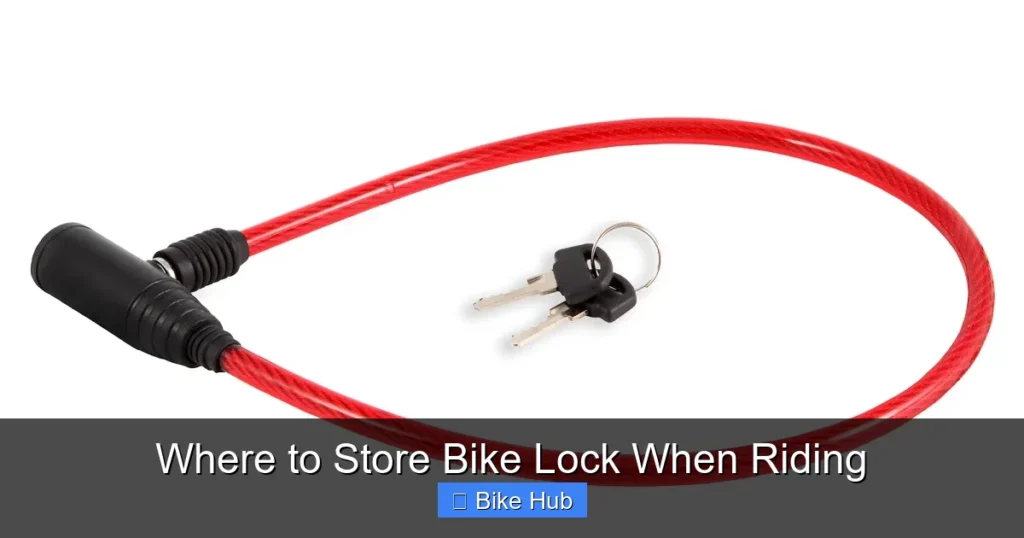
Learn how to store your bike lock comfortably and securely while riding. This guide covers multiple storage options—from frame mounts to backpacks—so you can ride freely without sacrificing security. Find the perfect solution for your lock type and riding style.
Key Takeaways
- Choose the right mount: Frame-mounted brackets keep U-locks stable and accessible, reducing sway and noise.
- Use a backpack for flexibility: Ideal for short rides or when carrying other gear, especially with foldable or lightweight locks.
- Consider saddlebag or rear rack storage: Great for heavier chain locks or long-distance touring bikes.
- Prioritize comfort and balance: Improperly stored locks can throw off your bike’s center of gravity and cause discomfort.
- Match storage to lock type: U-locks, chains, and cables each work best with specific carrying methods.
- Test before you ride: Always secure your lock properly and take a short test ride to ensure it stays in place.
- Keep security in mind: Never leave your lock unattended or loosely attached where it could be stolen or lost.
Where to Store Bike Lock When Riding: A Complete Guide
If you’re a regular cyclist, you know that a good bike lock is essential for protecting your investment. But what do you do with that lock when you’re actually riding? Carrying a heavy U-lock or bulky chain can be awkward, uncomfortable, and even dangerous if not stored properly. Whether you’re commuting to work, exploring city streets, or heading out on a weekend adventure, knowing where to store your bike lock while riding makes all the difference.
In this guide, we’ll walk you through the best ways to carry your bike lock—no matter the type—so you can ride safely, comfortably, and confidently. You’ll learn about frame mounts, backpack solutions, rear rack storage, and more. We’ll also share practical tips to help you choose the right method based on your bike, lock, and riding habits.
Let’s get started!
Understand Your Lock Type First
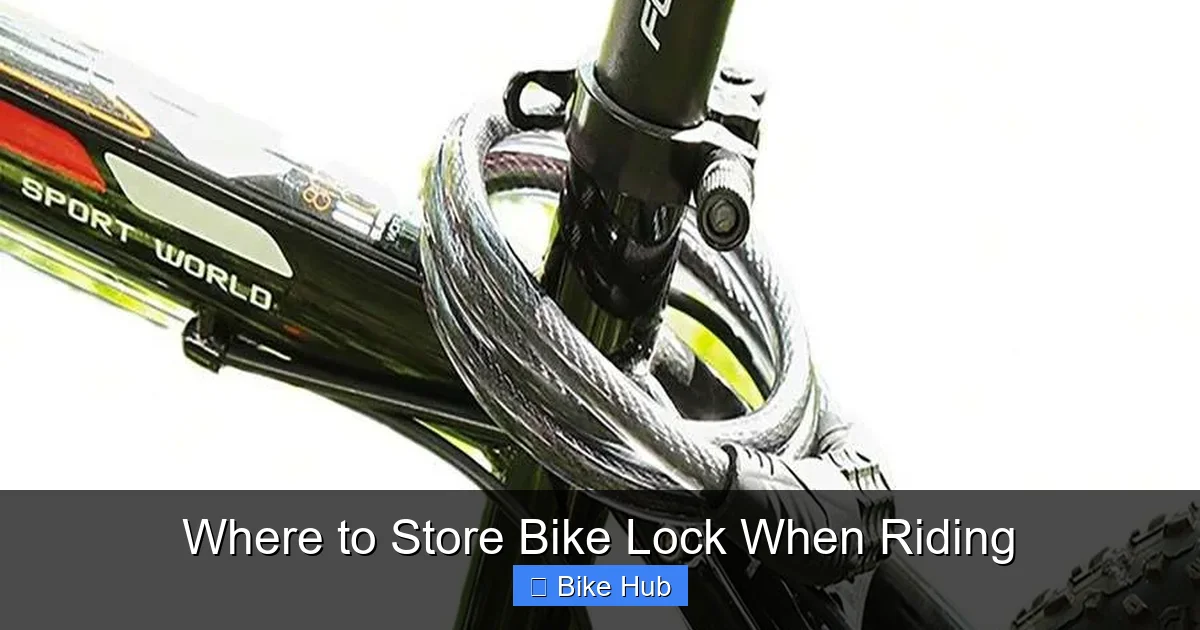
Visual guide about Where to Store Bike Lock When Riding
Image source: img.ltwebstatic.com
Before deciding where to store your bike lock, it’s important to know what kind of lock you’re working with. Different locks have different shapes, weights, and storage needs.
U-Locks (D-Locks)
These rigid, metal locks are highly secure and popular among urban riders. Their compact shape makes them easy to mount on your bike frame, but their weight can be noticeable if not secured properly.
Chain Locks
Made of thick metal links, chain locks offer excellent security and flexibility. However, they’re heavier and bulkier, often requiring a bag or rack to carry comfortably.
Cable Locks
Lightweight and flexible, cable locks are easy to coil and store in a backpack or saddlebag. They’re less secure than U-locks or chains but convenient for low-risk areas.
Folding Locks
These combine the strength of a U-lock with the portability of a cable. When folded, they’re compact and often come with mounting brackets.
Knowing your lock type helps you pick the best storage method. For example, a U-lock works great with a frame mount, while a chain lock might need a rear rack or pannier.
Option 1: Frame-Mounted Lock Brackets
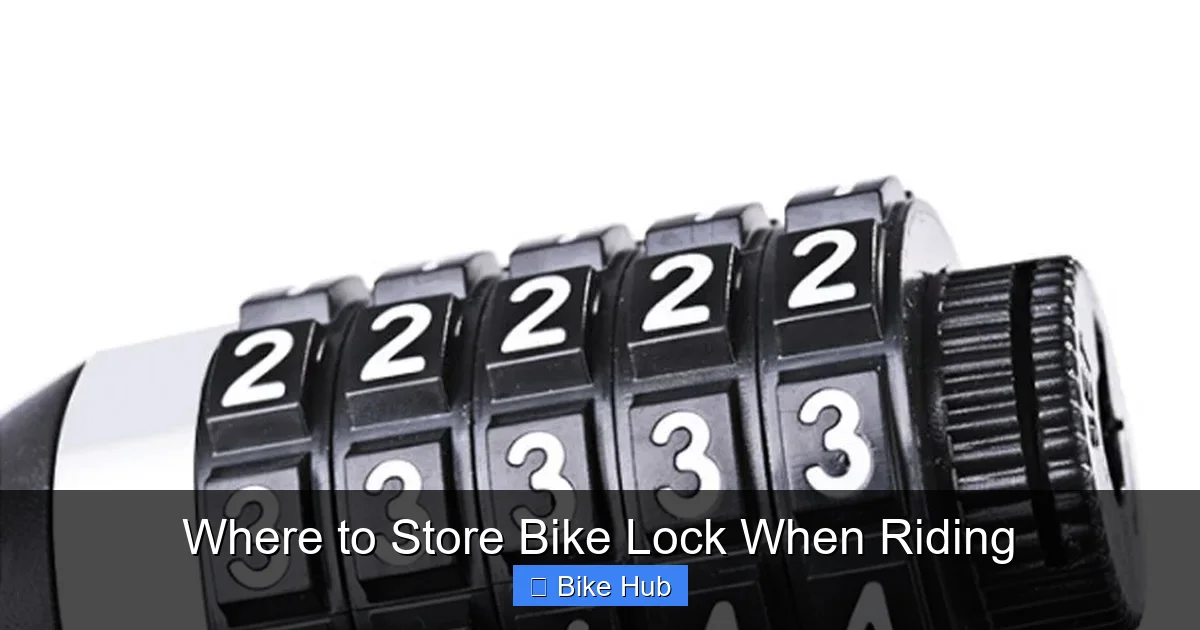
Visual guide about Where to Store Bike Lock When Riding
Image source: images.nexusapp.co
One of the most popular and effective ways to store a bike lock while riding is using a frame-mounted bracket. These are especially ideal for U-locks and folding locks.
How to Install a Frame Mount
Most U-locks come with a basic mounting bracket that attaches to your bike’s frame using screws or straps. Here’s how to set it up:
- Position the bracket on the downtube or top tube—where it won’t interfere with pedaling or steering.
- Use the included screws or rubber straps to secure it tightly. Avoid over-tightening, which can damage the frame.
- Snap the lock into the bracket and give it a gentle tug to ensure it’s secure.
Pros and Cons
Pros: Keeps the lock within easy reach, reduces sway, and doesn’t require extra bags.
Cons: Can scratch the frame if not padded properly; may not fit all bike geometries.
Pro Tip
If your bike has a carbon frame, use a bracket with soft rubber padding to prevent damage. Also, consider a high-quality lock with a sturdy mount to avoid rattling or loosening over time.
Option 2: Backpack or Daypack Storage
For riders who prefer not to mount anything on their bike, a backpack is a simple and flexible solution.
Best for Lightweight or Foldable Locks
Cable locks and folding locks are perfect for backpack storage because they’re compact and won’t weigh you down. Even some smaller U-locks can fit, though they may add noticeable weight.
How to Pack Your Lock
- Place the lock in a dedicated compartment or wrap it in a soft cloth to prevent scratches.
- Position it close to your back for better weight distribution.
- Avoid overloading the backpack—keep total weight under 10–15 pounds for comfort.
When to Use This Method
Backpacks work well for short commutes, errands, or rides where you’re already carrying a bag. Just remember: if you stop for coffee or groceries, don’t leave your backpack—and lock—unattended.
Bonus Tip
If you ride frequently with a backpack, consider one with a built-in lock holder or a side pocket designed for U-locks. Some cycling-specific packs even have padded sleeves for this purpose.
Option 3: Saddlebag or Seatpost Mount
A saddlebag is a sleek, out-of-the-way option for storing lighter locks like cables or folding locks.
How It Works
These bags attach beneath your saddle and come in various sizes. Small ones can hold a coiled cable lock; larger models may fit a compact U-lock or folding lock.
Installation Steps
- Attach the saddlebag using the included straps or clips.
- Ensure it doesn’t rub against your leg or interfere with rear lights.
- Secure the lock inside using a carabiner or Velcro strap to prevent movement.
Advantages
Keeps the lock hidden and aerodynamic. Great for road bikes or minimalist setups.
Limitations
Not suitable for heavy chain locks. Also, avoid overloading the bag—too much weight can affect handling.
Option 4: Rear Rack and Pannier System
For long-distance riders, touring cyclists, or anyone carrying a chain lock, a rear rack with panniers is the way to go.
Why It Works
Rear racks distribute weight evenly and provide ample space. You can store your lock in a pannier bag alongside tools, clothes, or snacks.
Setup Guide
- Install a sturdy rear rack compatible with your bike frame. Check out this guide for fitting racks on small frames.
- Use a waterproof pannier to protect your lock from rain and dirt.
- Secure the lock with straps or a mesh compartment to prevent shifting.
Best For
Touring, commuting with gear, or riding in areas where you need maximum security (and thus a heavier lock).
Pro Insight
If you’re touring, consider a balanced load distribution—keep heavier items low and centered to maintain stability.
Option 5: Handlebar or Stem Mounts (Less Common)
Some riders use handlebar or stem-mounted holders, but these are less common and come with caveats.
How It’s Done
Specialized mounts clamp onto the handlebars or stem and hold the lock in place. They’re often used for lightweight folding locks.
Risks to Consider
- Can interfere with steering, especially on tight turns.
- May vibrate loose on bumpy roads.
- Not recommended for heavy U-locks or chains.
When to Use
Only if you have a very light lock and a stable mounting system. Always test thoroughly before relying on it.
Troubleshooting Common Issues
Even with the best setup, problems can arise. Here’s how to fix the most common ones.
Lock Rattling or Swaying
This usually means the mount isn’t tight enough or the lock doesn’t fit snugly. Try adding rubber padding or upgrading to a better bracket.
Discomfort While Riding
If the lock is poking your leg or throwing off your balance, reposition it. Move it to the downtube instead of the top tube, or switch to a backpack.
Lock Falling Off
Never ignore this! Always double-check that your lock is fully secured before riding. Use a secondary strap or carabiner for extra safety.
Scratching the Frame
Use padded mounts or wrap the lock in a soft cloth. Avoid metal-on-metal contact, especially on carbon frames.
Final Tips for Safe and Comfortable Lock Storage
- Match your method to your ride: City commuters might prefer frame mounts, while tourers benefit from racks.
- Test before long rides: Take a short spin to ensure everything stays in place.
- Keep it clean: Wipe down your lock and storage area regularly to prevent dirt buildup.
- Don’t forget security: Even when riding, never leave your lock dangling where it could be snatched.
- Upgrade when needed: If your current setup isn’t working, explore better mounts or bags.
Conclusion
Storing your bike lock while riding doesn’t have to be a hassle. With the right method—whether it’s a frame mount, backpack, saddlebag, or rear rack—you can carry your lock safely and comfortably. The key is choosing a solution that fits your lock type, bike setup, and riding style.
Remember: a securely stored lock means peace of mind on every ride. So take a few minutes to set up your storage system properly, and enjoy the freedom of riding without worry.
For more tips on bike security, check out our guide on how to lock your bike in the city—because knowing how to carry your lock is only half the battle!



