
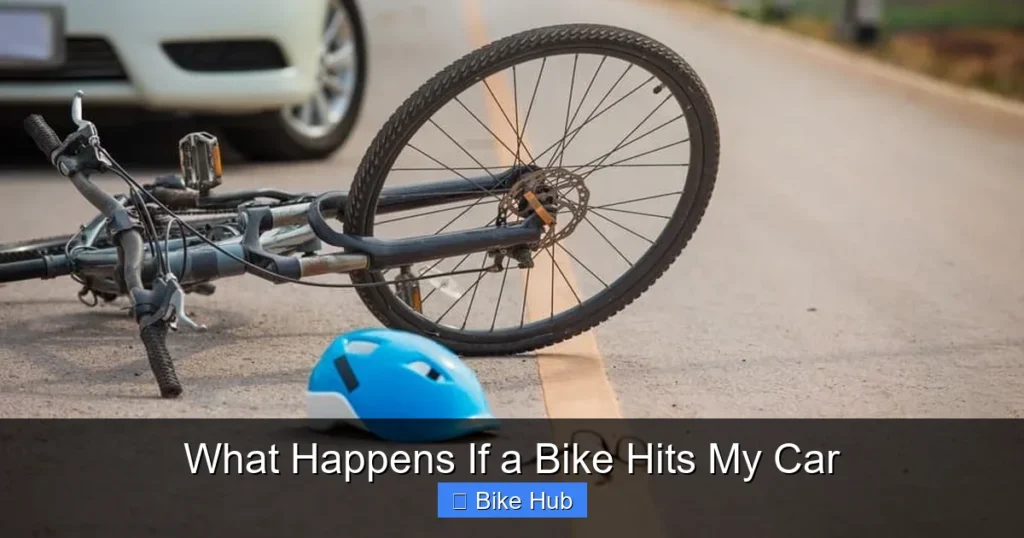
If a bike hits your car, stay calm and prioritize safety. Check for injuries, document the scene, exchange information, and contact your insurer. Knowing the steps helps protect you legally and financially.
Key Takeaways
- Stay calm and assess the situation: Your first reaction should be to ensure everyone is safe, including the cyclist and any passengers.
- Check for injuries immediately: Call emergency services if anyone is hurt, even if injuries seem minor at first.
- Document everything thoroughly: Take photos of the damage, the scene, weather, and road conditions to support your insurance claim.
- Exchange information with the cyclist: Get their name, contact details, insurance info (if any), and witness contacts if available.
- Notify your insurance company promptly: Most policies require timely reporting, and delays could affect your coverage.
- Know your local laws: Liability rules vary by region—some areas treat cyclists like vehicles, others offer them special protections.
- Consider installing protective gear on your car: Bike racks, guards, or cameras can help prevent or prove fault in future incidents.
Introduction: Why This Guide Matters
Imagine you’re parked on a quiet street or slowly pulling out of a driveway when—crack—a cyclist clips your car. It’s startling, stressful, and confusing. What do you do next? Who’s at fault? Will your insurance cover it?
This guide walks you through exactly what to do if a bike hits your car. Whether the cyclist was speeding, distracted, or simply misjudged the space, knowing the right steps protects your safety, your wallet, and your legal standing. We’ll cover immediate actions, documentation tips, insurance processes, and preventive measures—all in plain, easy-to-follow language.
Step 1: Stay Calm and Ensure Safety
Your first instinct might be to jump out and confront the cyclist. Resist that urge. Instead, take a deep breath and focus on safety.
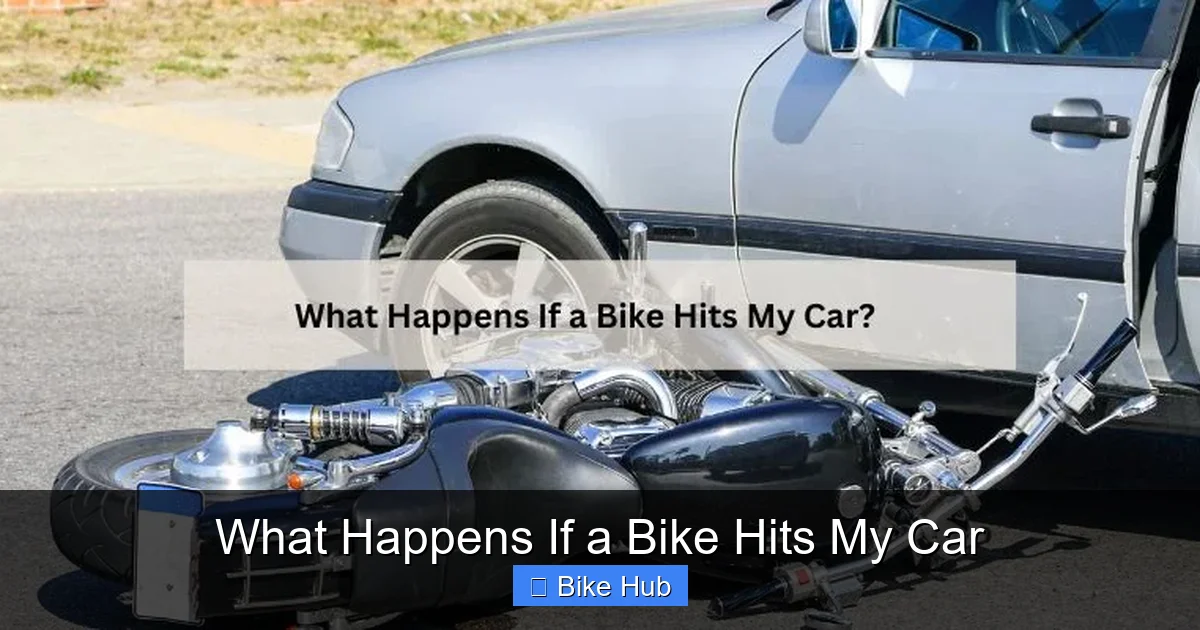
Visual guide about What Happens If a Bike Hits My Car
Image source: cdn.thedailyautomotive.com
Check for Injuries
Ask the cyclist if they’re okay. Look for signs of pain, dizziness, or bleeding. Even if they say they’re fine, encourage them to sit down and rest. Some injuries—like concussions—don’t show symptoms right away.
If anyone appears injured, call 911 (or your local emergency number) immediately. Do not move seriously injured people unless there’s an immediate danger (like fire or traffic).
Move to a Safe Location
If the collision happened in traffic and the vehicles are drivable, move them to the side of the road. Turn on hazard lights. If your car is undamaged or only slightly scratched and parked legally, you may not need to move it—but always prioritize avoiding further accidents.
Step 2: Document the Scene Thoroughly
Good documentation can make or break an insurance claim or legal case. Here’s how to do it right.
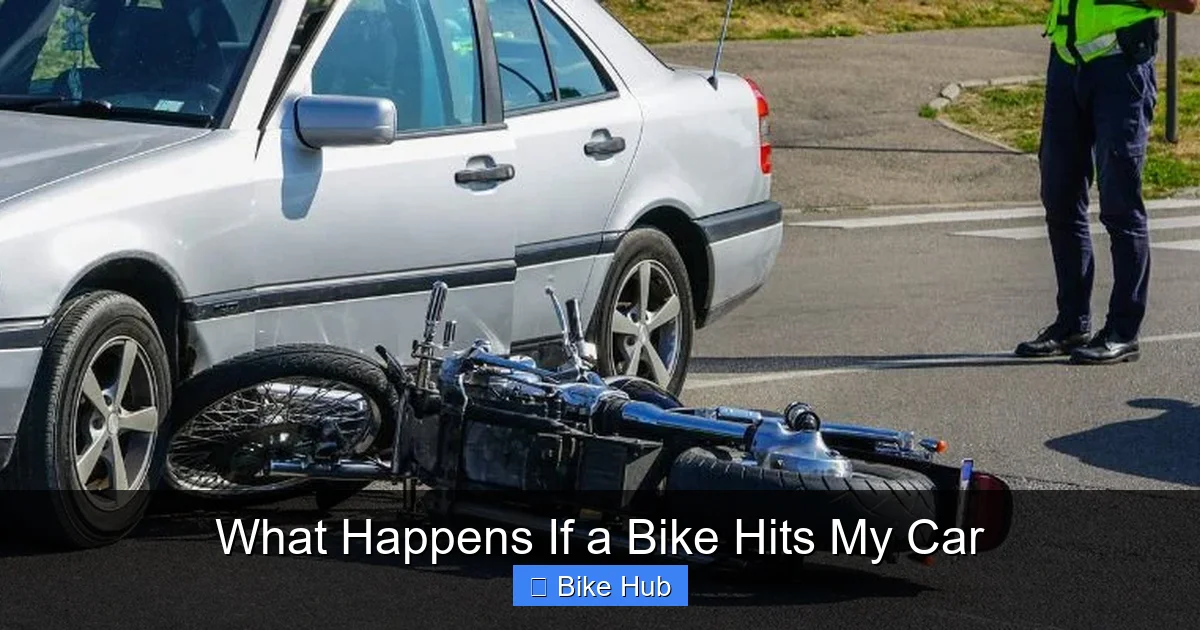
Visual guide about What Happens If a Bike Hits My Car
Image source: cdn.thedailyautomotive.com
Take Photos and Videos
Use your phone to capture:
- The point of impact on your car (close-up and wide shots)
- The cyclist’s position relative to your vehicle
- Skid marks, debris, or bike parts on the ground
- Traffic signs, signals, and road conditions
- Weather and lighting at the time
Example: If it was raining and the cyclist slipped on a wet manhole cover, that photo could show contributory factors.
Note the Time, Location, and Conditions
Write down the exact time, street name, and direction of travel. Was it dusk? Was the road under construction? These details matter for liability assessments.
Get Witness Information
If bystanders saw what happened, ask for their names and phone numbers. A neutral third-party account can clarify fault if the cyclist disputes your version.
Step 3: Exchange Information with the Cyclist
Just like with a car-to-car accident, you need key details from the other party.
What to Ask For
- Full name and contact information
- Home address
- Insurance information (some cyclists carry personal liability insurance; others may be covered under homeowner’s policies)
- Bike details (make, model, serial number—useful if the bike was damaged or stolen later)
Tip: Be polite but firm. Say, “I’d like to exchange information so we can handle this properly.” Avoid arguing about fault at this stage.
What Not to Do
Do not admit fault, even casually (“I should’ve looked better!”). Statements like that can be used against you later. Also, don’t sign anything or offer payment on the spot.
Step 4: Report the Incident
Depending on your location and the severity of the incident, reporting requirements vary.
When to Call the Police
Call law enforcement if:
- Anyone is injured
- There’s significant property damage (e.g., broken window, dented door)
- The cyclist refuses to share information
- You suspect intoxication or reckless behavior
In many states, collisions involving bicycles must be reported if damages exceed a certain amount (often $1,000). Check your local DMV guidelines.
File a Police Report
Even if no one is hurt, a police report creates an official record. This is invaluable for insurance claims. Ask for the report number and how to obtain a copy later.
Step 5: Contact Your Insurance Company
Notify your insurer as soon as possible—most policies require prompt reporting.
What to Tell Them
Provide:
- Date, time, and location
- Description of what happened
- Photos and witness info
- Police report number (if applicable)
- Cyclist’s contact and insurance details
Your insurer will assign an adjuster to investigate. They’ll determine fault based on evidence, local laws, and policy terms.
Understand Your Coverage
Comprehensive or collision coverage may pay for car repairs, depending on your policy. If the cyclist is found at fault, their liability insurance (or yours, under uninsured motorist provisions) might cover damages. Medical payments coverage could help with the cyclist’s treatment if they’re injured.
Step 6: Know Your Legal Rights and Responsibilities
Liability in bike-car collisions isn’t always clear-cut.
Fault-Based vs. No-Fault States
In fault-based states, the person responsible pays for damages. In no-fault states, each party’s insurance covers their own costs initially, regardless of who caused the crash.
Cyclist Rights and Responsibilities
In most places, cyclists must follow the same traffic laws as drivers—stop signs, signals, lane usage. If the cyclist ran a red light or rode on the sidewalk illegally, they may be partially or fully at fault.
However, some jurisdictions apply “comparative negligence,” meaning both parties can share blame. For example, if you opened your car door into a bike lane and the cyclist was speeding, liability might be split 60/40.
Troubleshooting Common Issues
What if the cyclist leaves the scene? Or denies responsibility? Here’s how to handle tricky situations.
The Cyclist Flees
Note their direction, bike color, clothing, and any distinguishing features. Report it to police immediately—it’s considered a hit-and-run. Your uninsured motorist coverage may apply.
No Insurance Information
Many cyclists don’t carry insurance. In that case, your collision coverage (if you have it) may pay for repairs, minus your deductible. You can later pursue the cyclist for reimbursement, though this is often impractical.
Disputed Fault
If the cyclist claims you’re at fault, stay calm. Provide your evidence to your insurer and let them handle negotiations. Avoid social media posts—they can be used in court.
Prevention: How to Avoid Future Incidents
The best way to handle a bike-car collision is to prevent it altogether.
Install Protective Gear on Your Car
Consider adding a rear bike rack with reflective markings or a door edge guard to reduce damage if a cyclist brushes against your car. For frequent urban driving, a bike camera can record incidents and deter false claims.
Be Extra Cautious in Bike-Friendly Areas
Slow down near bike lanes, parks, and school zones. Always check mirrors and blind spots before opening doors—the “door zone” is a major hazard for cyclists.
Educate Yourself on Local Bike Laws
Understanding where and how bikes are allowed to ride helps you anticipate their movements. For example, in some cities, cyclists can legally pass on the right.
Conclusion: Stay Prepared, Stay Protected
A bike hitting your car is unsettling, but it doesn’t have to become a nightmare. By staying calm, documenting thoroughly, and following the right steps, you protect yourself legally and financially. Remember: most incidents are minor, and handling them responsibly builds trust between drivers and cyclists.
Use this guide as your go-to reference. And if you’re a cyclist yourself, check out our tips on how to properly fit a bike helmet or how to lock your bike to a rack to stay safe on the road. Sharing the road starts with awareness—from everyone.



