
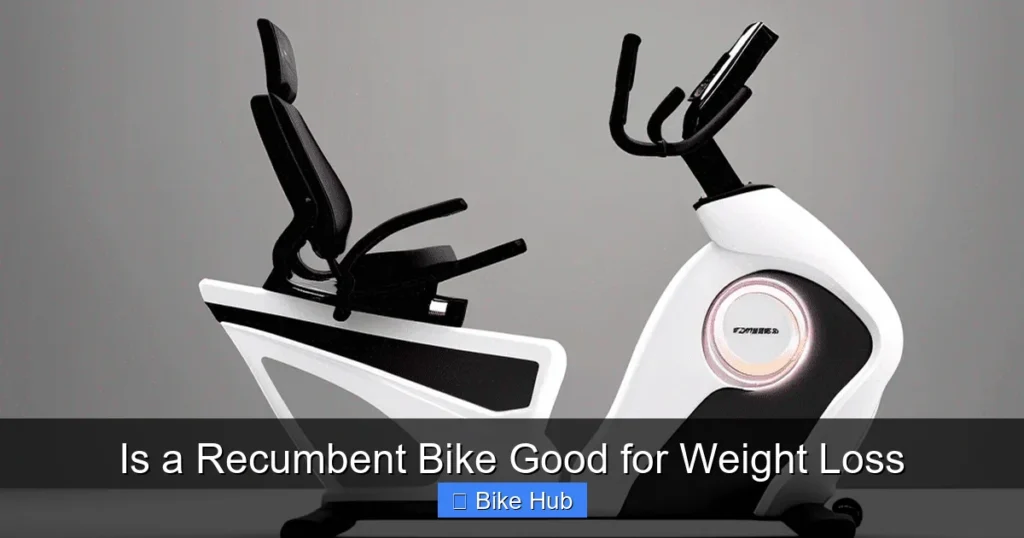
A recumbent bike can be an excellent tool for weight loss when used consistently and combined with proper intensity and duration. Its low-impact design makes it ideal for beginners, seniors, or those with joint issues, while still offering effective cardio and calorie-burning benefits.
Key Takeaways
- Low-impact exercise: Recumbent bikes reduce strain on knees, hips, and back, making them safe for long workouts.
- Calorie burning potential: You can burn 400–600 calories per hour depending on intensity and body weight.
- Consistency is key: Regular 30–60 minute sessions, 4–5 times a week, lead to sustainable weight loss.
- Great for beginners and rehab: The supportive seat and backrest encourage longer, more comfortable rides.
- Combine with strength training: Pair cycling with resistance exercises to boost metabolism and fat loss.
- Use interval training: Alternating high and low intensity increases calorie burn and improves endurance.
- Track progress: Monitor time, distance, and heart rate to stay motivated and adjust workouts.
Is a Recumbent Bike Good for Weight Loss?
If you’re looking for a comfortable, effective way to shed pounds without pounding your joints, you might be wondering: Is a recumbent bike good for weight loss? The short answer is yes—when used correctly, a recumbent bike can be a powerful ally in your weight loss journey. Unlike traditional upright bikes, recumbent bikes offer a reclined seating position with full back support, reducing pressure on your spine and joints. This makes them ideal for people of all fitness levels, especially those recovering from injury or dealing with chronic pain.
In this guide, you’ll learn exactly how to use a recumbent bike for weight loss, including workout plans, intensity tips, and how to stay consistent. Whether you’re setting up a home gym or using one at the fitness center, we’ll show you how to maximize calorie burn and see real results.
How Recumbent Bikes Support Weight Loss
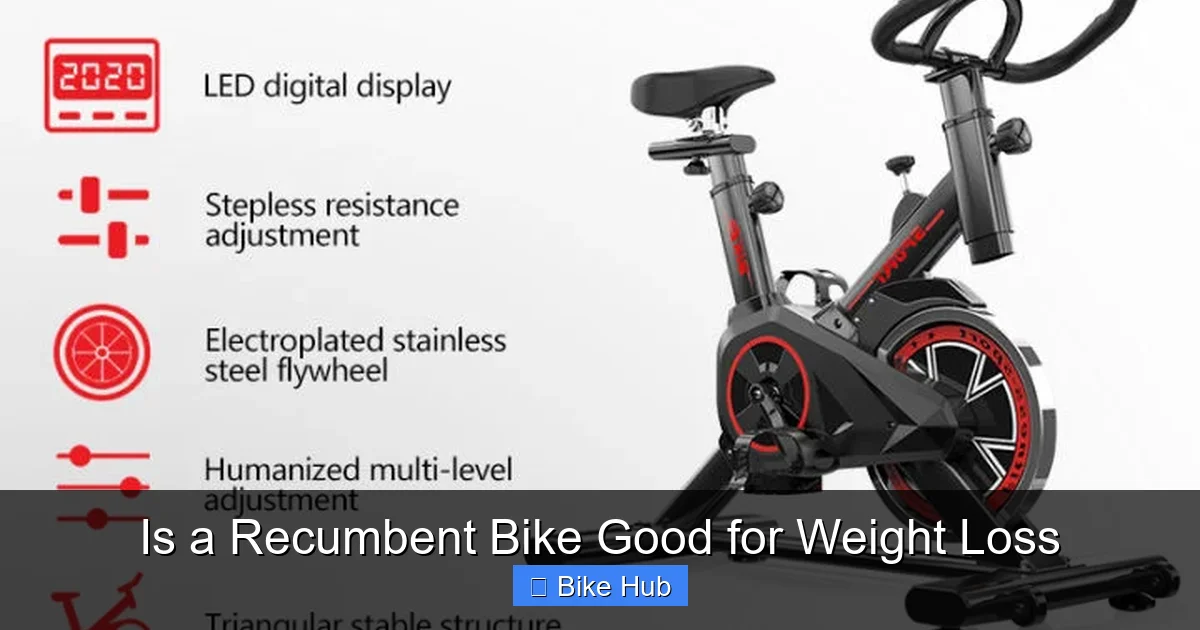
Visual guide about Is a Recumbent Bike Good for Weight Loss
Image source: img.lazcdn.com
Weight loss happens when you burn more calories than you consume—a concept known as a calorie deficit. Recumbent bikes help you create that deficit through steady cardiovascular exercise. Here’s how they support your goals:
1. Low-Impact, High-Comfort Cardio
Unlike running or high-impact aerobics, recumbent biking is gentle on your body. The wide, padded seat and backrest allow you to ride longer without discomfort. This means you can exercise more frequently and for longer durations—key factors in burning fat over time.
2. Effective Calorie Burn
Depending on your weight and effort level, a recumbent bike can help you burn between 400 and 600 calories per hour. For example:
– A 150-pound person burns about 450 calories in 60 minutes at moderate intensity.
– At higher resistance or speed, that number can climb to 600+ calories.
3. Builds Endurance and Consistency
Because recumbent bikes are so comfortable, users are more likely to stick with their routine. Consistency is one of the most important factors in long-term weight loss. The easier it is to exercise, the more likely you are to do it regularly.
4. Great for All Fitness Levels
Whether you’re just starting out or returning after an injury, recumbent bikes offer adjustable resistance and smooth pedaling. This adaptability makes them perfect for gradual progression.
Step-by-Step Guide to Losing Weight on a Recumbent Bike

Visual guide about Is a Recumbent Bike Good for Weight Loss
Image source: a4fitness.com
Ready to start? Follow these steps to turn your recumbent bike into a weight-loss machine.
Step 1: Set Realistic Goals
Before you begin, define what success looks like. Aim to lose 1–2 pounds per week, which is safe and sustainable. Set weekly goals like “ride 4 times this week” or “burn 1,500 calories total.”
Step 2: Warm Up Properly
Always start with a 5-minute warm-up at low resistance. This prepares your muscles and heart for exercise. For tips on safe warm-up routines, check out our guide on how to warm up before using a recumbent bike.
Step 3: Choose the Right Workout Plan
There are two main types of workouts for weight loss: steady-state cardio and interval training.
Steady-State Cardio: Ride at a moderate pace (where you can talk but not sing) for 30–60 minutes. This burns fat efficiently and builds endurance.
Interval Training: Alternate between 2 minutes of high intensity (hard pedaling) and 3 minutes of low intensity (easy recovery). Repeat for 20–30 minutes. This method boosts metabolism and burns more calories in less time.
Step 4: Increase Intensity Gradually
Start with 15–20 minutes at low resistance. Each week, add 5 minutes or increase resistance slightly. Your goal is to reach 30–60 minutes of continuous riding, 4–5 times per week.
Step 5: Track Your Progress
Use the bike’s display to monitor time, distance, speed, and calories burned. Keep a simple log or use a fitness app. Seeing progress—even small improvements—keeps you motivated.
Step 6: Cool Down and Stretch
End each session with a 5-minute cool-down at low resistance. Follow with gentle stretches for your legs, back, and hips to improve flexibility and reduce soreness.
Tips to Maximize Weight Loss Results
1. Combine with Strength Training
Cardio alone won’t build muscle or boost metabolism as effectively. Add 2–3 strength training sessions per week targeting major muscle groups. This helps burn more calories even at rest.
2. Watch Your Diet
Exercise creates a calorie deficit, but diet determines how big that deficit is. Focus on whole foods, lean proteins, vegetables, and healthy fats. Avoid sugary drinks and processed snacks.
3. Stay Hydrated
Drink water before, during, and after your ride. Dehydration can reduce performance and make workouts feel harder.
4. Use Entertainment to Stay Engaged
Long rides can feel boring. Add entertainment features like a tablet holder, Bluetooth speakers, or audiobooks. For ideas, see our article on how to add entertainment features to a recumbent bike.
5. Maintain Your Bike
A well-maintained bike performs better and lasts longer. Clean the flywheel regularly and check for loose parts. Learn how with our guide on how to clean a recumbent bike flywheel.
Troubleshooting Common Issues
Problem: I’m Not Losing Weight
Solution: Reassess your calorie intake. You may be eating more than you think. Also, increase workout intensity or duration. Try interval training to break through plateaus.
Problem: My Back Hurts After Riding
Solution: Adjust the seat position so your legs are almost fully extended at the bottom of the pedal stroke. Ensure the backrest supports your lower back. If pain persists, consult a physical therapist.
Problem: I Get Bored Easily
Solution: Vary your routine. Try different workout types, listen to music or podcasts, or set mini-challenges like “beat yesterday’s distance.”
Problem: The Bike Feels Too Easy
Solution: Increase resistance or try hill simulation programs if your bike has them. Aim to reach 70–85% of your max heart rate during intense intervals.
Who Should Use a Recumbent Bike for Weight Loss?
Recumbent bikes are ideal for:
– Beginners who need a gentle start
– Seniors or those with joint pain
– People recovering from injury
– Anyone looking for a comfortable, low-stress workout
They’re also great for home use. If you’re building a home gym, consider a model with quiet operation and adjustable resistance. Check out our recommendations for the best recumbent bike for home gym.
Conclusion
So, is a recumbent bike good for weight loss? Absolutely—especially if you’re looking for a sustainable, joint-friendly way to burn calories and improve fitness. With consistent use, proper intensity, and a balanced diet, you can lose weight effectively and comfortably. The key is to start where you are, stay consistent, and gradually challenge yourself.
Whether you’re pedaling at home or at the gym, your recumbent bike can be a reliable partner on your weight loss journey. Combine it with strength training, smart nutrition, and regular maintenance, and you’ll be on track to reach your goals.



