
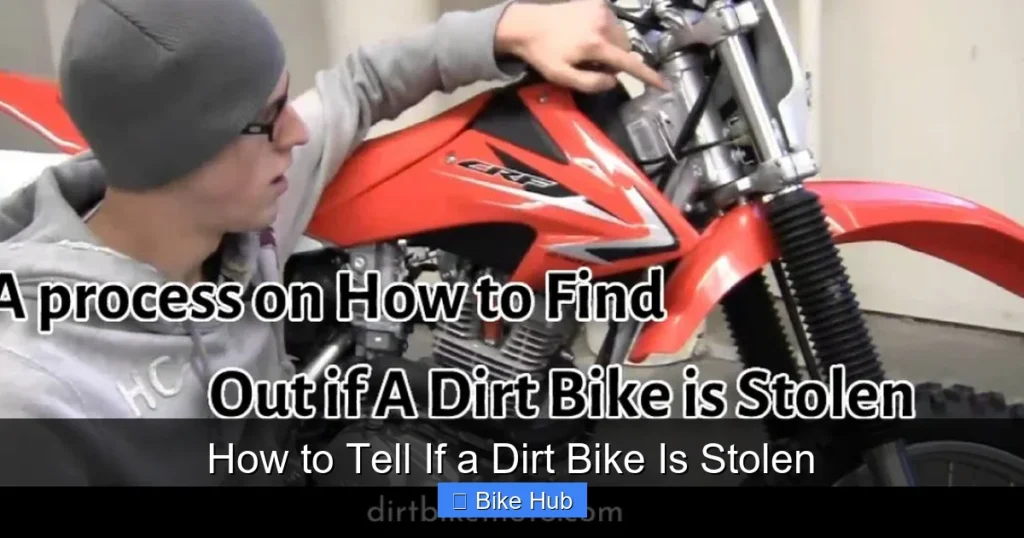
Buying a used dirt bike? Don’t risk getting a stolen one. This guide shows you exactly how to spot red flags, verify ownership, and protect yourself. Stay smart, ride safe, and avoid legal trouble.
Key Takeaways
- Check the VIN: Always verify the Vehicle Identification Number on the frame and engine. A mismatched or altered VIN is a major red flag.
- Ask for Documentation: Request the title, registration, and proof of purchase. No paperwork? Walk away.
- Inspect for Tampering: Look for scratched serial numbers, mismatched parts, or signs of forced entry.
- Use Online Databases: Run the VIN through free or paid services like NICB or CycleVIN to check theft records.
- Meet in a Safe, Public Place: Avoid private locations and bring a friend. Safety first when meeting sellers.
- Trust Your Gut: If something feels off—like a seller who’s too eager or vague—trust your instincts and leave.
- Report Suspicious Activity: If you suspect a bike is stolen, contact local law enforcement immediately.
How to Tell If a Dirt Bike Is Stolen
Buying a dirt bike can be exciting—especially when you find a great deal. But before you hand over your cash, it’s crucial to make sure the bike isn’t stolen. A stolen dirt bike can lead to legal trouble, financial loss, and even safety risks. In this guide, we’ll walk you through step-by-step how to tell if a dirt bike is stolen, so you can buy with confidence and ride with peace of mind.
Whether you’re shopping online, at a dealership, or from a private seller, these tips will help you spot red flags and avoid becoming a victim of theft. Let’s dive in.
Step 1: Check the Vehicle Identification Number (VIN)
The VIN is like a dirt bike’s fingerprint. Every bike has a unique 17-character code that identifies its make, model, year, and manufacturing details. This number is your first line of defense against buying stolen property.
Locate the VIN
The VIN is usually stamped on the frame near the steering head or under the engine. On some models, it may also be on a metal plate attached to the frame. Use a flashlight if needed—sometimes dirt or rust can hide it.
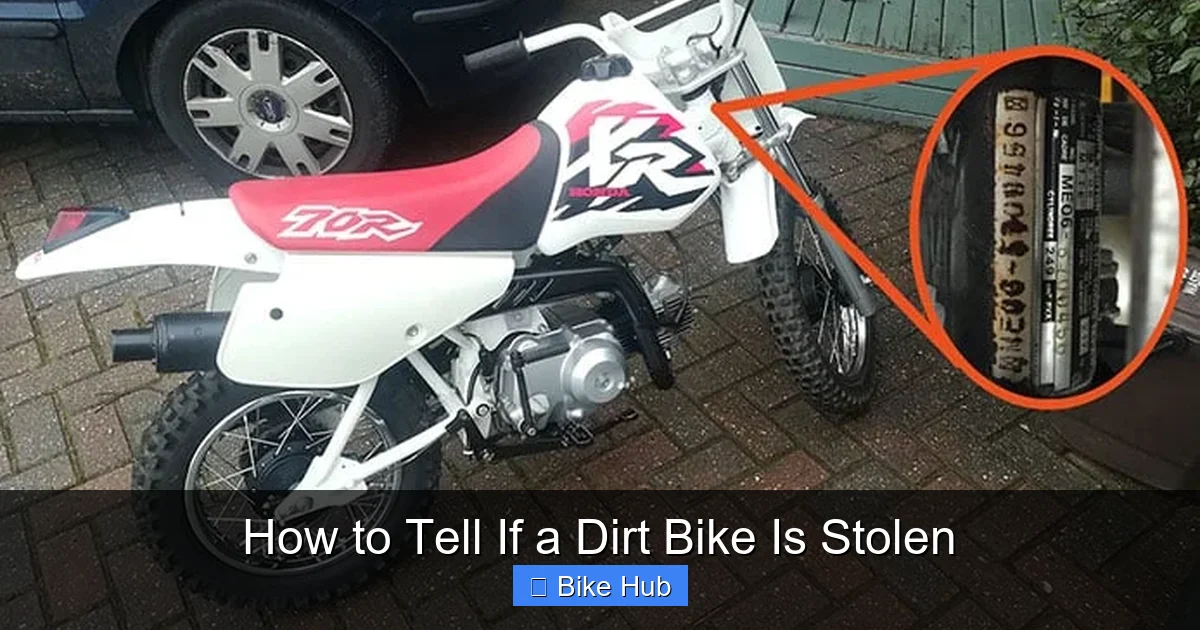
Visual guide about How to Tell If a Dirt Bike Is Stolen
Image source: projectdirtbike.com
Compare Frame and Engine VINs
Most dirt bikes have the same VIN stamped on both the frame and the engine. If the numbers don’t match, that’s a huge red flag. A mismatched VIN could mean the engine was swapped—possibly from a stolen bike.
Look for Signs of Tampering
Inspect the VIN area closely. Are the numbers scratched, filed down, or covered with paint? Are they uneven or poorly stamped? These are signs someone may have tried to alter or hide the real VIN. A clean, factory-stamped VIN is what you want to see.
Step 2: Ask for Proper Documentation
Legitimate sellers will have paperwork to prove ownership. If they don’t, that’s a warning sign.
Request the Title
The title is the legal document that shows who owns the bike. Make sure the name on the title matches the seller’s ID. If the title is missing, damaged, or looks fake, walk away.
Visual guide about How to Tell If a Dirt Bike Is Stolen
Image source: projectdirtbike.com
Check Registration and Proof of Purchase
Ask to see the current registration and a recent bill of sale or receipt. These documents help confirm the bike was legally acquired. If the seller says, “I lost the paperwork,” that’s not good enough.
Beware of “Bonded Titles” or “Rebuilt Titles”
Some bikes have titles marked as “bonded” or “reconstructed.” While these aren’t always stolen, they can indicate past damage or theft. Research what these labels mean in your state and proceed with caution.
Step 3: Inspect the Bike for Signs of Theft
Even if the VIN and paperwork look good, you should still inspect the bike for physical clues.
Look for Mismatched or Aftermarket Parts
Stolen bikes are often stripped and rebuilt with parts from other bikes. If the engine, wheels, or suspension don’t match the model year or brand, that’s suspicious. For example, a 2020 Yamaha with a 2018 Honda engine is a red flag.
Check for Fresh Welds or Repairs
Look under the frame and swingarm for fresh welds, paint, or grinding marks. These could indicate the bike was cut up and reassembled—common in chop shops.
Inspect the Ignition and Wiring
Has the ignition been forced open? Are wires cut or spliced? A bike that’s been hot-wired or broken into may have been stolen. Also, check if the key fits smoothly. A worn or ill-fitting key could mean it was picked.
Step 4: Run the VIN Through Online Databases
Don’t rely on the seller’s word. Verify the bike’s history yourself.
Use Free and Paid VIN Check Services
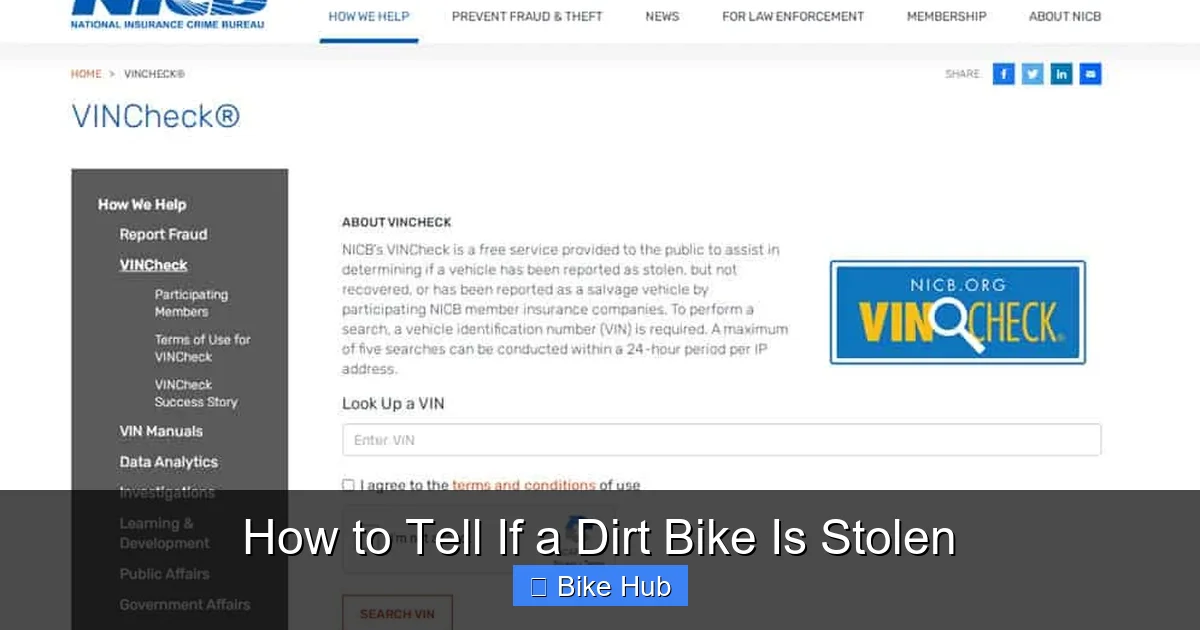
Websites like the National Insurance Crime Bureau (NICB) offer free VIN checks. Enter the VIN to see if the bike is reported stolen. For more detailed reports, consider paid services like CycleVIN or Bikesmart. These can show accident history, odometer fraud, and theft records.
Check State and Local Databases
Some states have their own stolen vehicle databases. Contact your local DMV or police department to see if they offer VIN verification. This is especially helpful if the bike was stolen in another state.
Step 5: Meet the Seller in a Safe, Public Place
Safety matters—especially when dealing with strangers.
Choose a Well-Lit, Busy Location
Meet at a police station, mall parking lot, or busy trailhead. Avoid private homes or remote areas. Some police departments even have “safe exchange zones” for online transactions.
Bring a Friend
Never go alone. Bring a friend or family member who can help inspect the bike and watch for suspicious behavior. Two sets of eyes are better than one.
Ask Questions and Observe Behavior
A legitimate seller will answer your questions clearly. If they’re evasive, rush you, or refuse to let you inspect the bike, that’s a red flag. Trust your gut—if something feels off, leave.
Step 6: Know the Common Signs of a Stolen Dirt Bike
Some patterns are common in stolen bikes. Watch for these warning signs:
- Too Good to Be True Pricing: If the bike is priced way below market value, it could be stolen.
- No Test Ride Allowed: A seller who won’t let you ride the bike may be hiding something.
- Vague or Inconsistent Stories: If the seller can’t explain where they got the bike or how long they’ve owned it, be suspicious.
- Missing or Altered Serial Numbers: Besides the VIN, check serial numbers on the engine, carburetor, and other major parts.
- Seller Pressures You to Buy Fast: Phrases like “I need to sell today” or “Someone else is interested” are pressure tactics.
Troubleshooting: What If You Already Bought a Stolen Bike?
If you’ve already purchased a dirt bike and later discover it’s stolen, act fast.
Contact the Police Immediately
Report the situation to local law enforcement. Provide all documentation, photos, and communication with the seller. The police will investigate and may recover the bike.
Do Not Ride or Hide the Bike
Even if you didn’t know it was stolen, riding or concealing it could lead to legal trouble. Cooperate fully with authorities.
Seek Legal Advice
Consult a lawyer to understand your rights and options. You may be able to sue the seller for fraud, but laws vary by state.
Final Tips to Protect Yourself
Buying a dirt bike should be fun—not stressful. Here are a few extra tips to stay safe:
- Buy from Reputable Sources: Dealerships, certified pre-owned programs, and trusted online marketplaces are safer than random Craigslist ads.
- Take Photos and Notes: Document the bike’s condition, VIN, and seller details. This helps if issues arise later.
- Consider a Pre-Purchase Inspection: Have a mechanic inspect the bike before you buy. They can spot hidden problems or signs of theft.
- Register the Bike Promptly: Once you buy, register it in your name right away. This establishes legal ownership.
Conclusion
Knowing how to tell if a dirt bike is stolen is essential for any buyer. By checking the VIN, verifying paperwork, inspecting the bike, and using online tools, you can avoid stolen property and protect yourself from legal and financial risks. Always meet safely, trust your instincts, and don’t rush the process.
A little caution now can save you a lot of trouble later. Ride smart, stay informed, and enjoy your dirt bike adventures with confidence.



