
Stranded with a dead e-bike battery and no charger? This guide shows you safe, effective ways to charge your e-bike battery without the original charger—using portable power stations, solar panels, or universal adapters. Always prioritize safety and compatibility to avoid damaging your battery or bike.
Key Takeaways
- Use a compatible portable power station: Many modern e-bike batteries can be charged using a power station with the correct voltage and connector.
- Solar charging is eco-friendly and portable: A solar panel with a charge controller can slowly recharge your battery, ideal for long rides or off-grid adventures.
- Universal e-bike chargers work in a pinch: These adjustable chargers support multiple battery types and voltages, making them a reliable backup.
- Never force incompatible connections: Mismatched voltage or polarity can damage your battery or cause fire hazards.
- Monitor charging progress closely: Without a smart charger, you must manually check voltage and temperature to prevent overcharging.
- Prevention is better than improvisation: Carry a spare charger or use battery-saving tips to avoid being stranded.
- Know your battery specs: Understanding voltage, capacity, and connector type is essential before attempting any alternative charging method.
How to Charge E Bike Battery Without Charger
Picture this: You’re halfway through a scenic trail ride, and your e-bike suddenly powers down. The battery is dead—and you forgot your charger at home. Panic sets in. But don’t worry. While the safest and most reliable way to charge your e-bike battery is with the manufacturer’s charger, there are several smart, safe alternatives when you’re in a pinch.
In this guide, you’ll learn how to charge e bike battery without charger using practical, real-world methods. We’ll cover portable power stations, solar panels, universal chargers, and even DIY hacks—all while emphasizing safety and battery health. Whether you’re on a long-distance tour, camping off-grid, or simply misplaced your charger, these solutions can get you back on the road.
Understanding Your E-Bike Battery
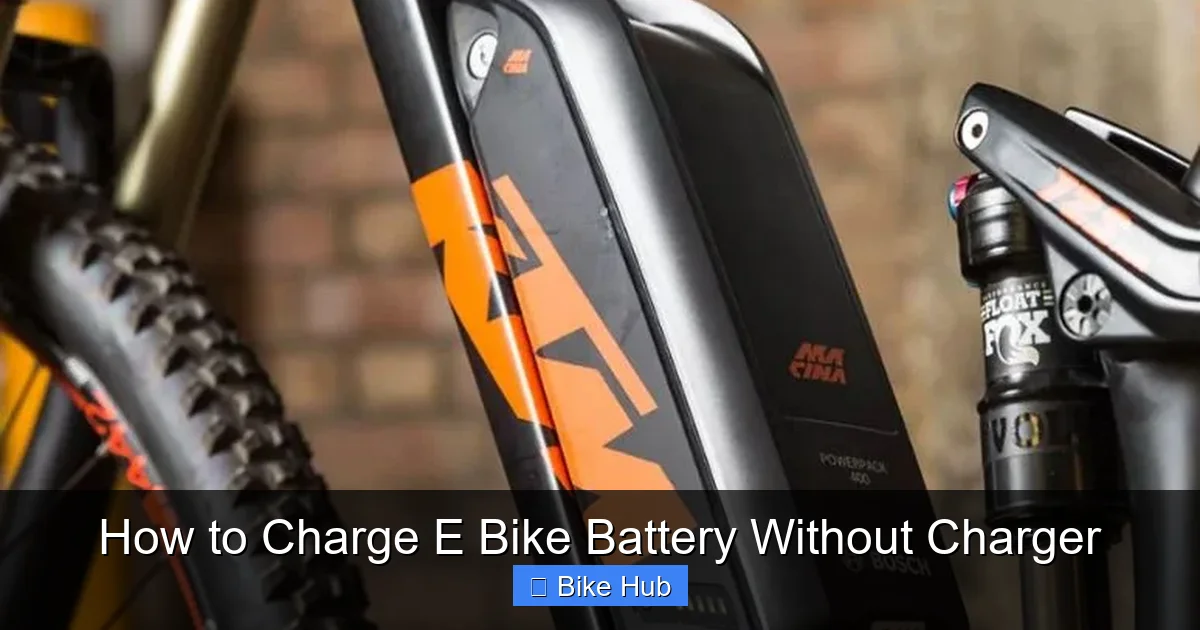
Before attempting any alternative charging method, it’s crucial to understand your e-bike battery’s specifications. Most e-bike batteries are lithium-ion (Li-ion) or lithium-polymer (LiPo), with common voltages ranging from 36V to 48V. Capacity is measured in amp-hours (Ah), typically between 10Ah and 17Ah.
Visual guide about How to Charge E Bike Battery Without Charger
Image source: thekpv.com
Check the label on your battery for:
- Voltage (V): Must match the output of your charging source.
- Capacity (Ah): Determines charging time.
- Connector type: Common types include XT60, Anderson, or proprietary plugs.
- Chemistry: Li-ion batteries require careful charging to avoid overheating or fire.
Using the wrong voltage or connector can damage your battery or even pose a fire risk. Always double-check compatibility before proceeding.
Method 1: Use a Portable Power Station
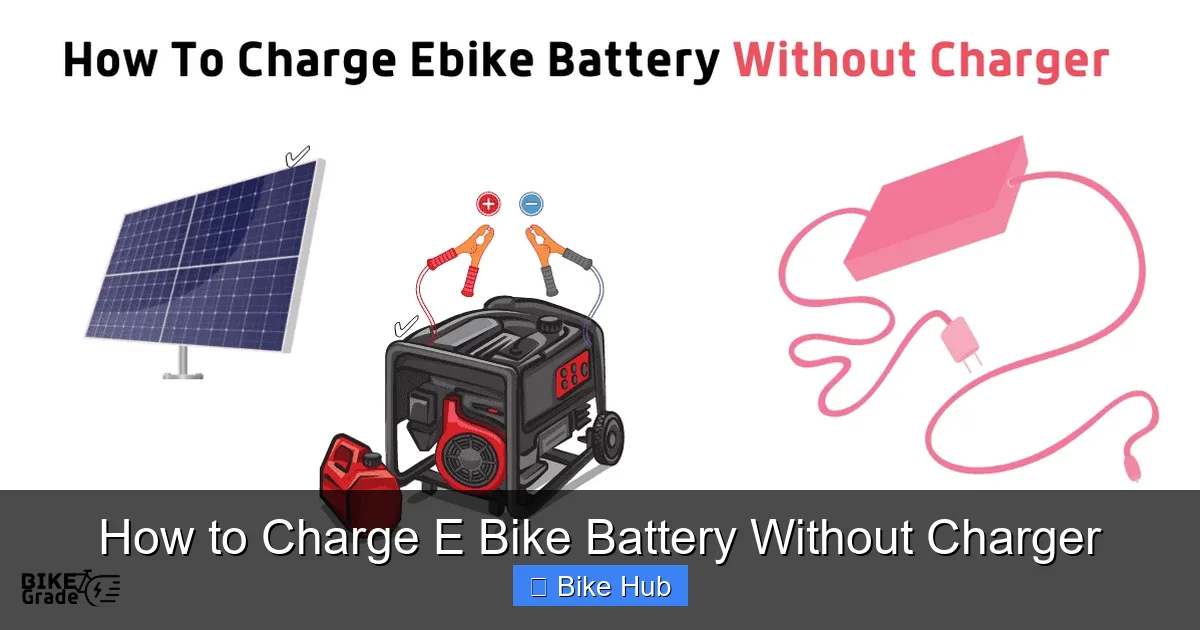
A portable power station is one of the safest and most effective ways to charge your e-bike battery without the original charger. These devices store electricity and can output AC or DC power, making them versatile for outdoor adventures.
Visual guide about How to Charge E Bike Battery Without Charger
Image source: bikegrade.com
Step 1: Choose a Compatible Power Station
Look for a power station with:
- AC output (110V/220V) to mimic wall charging.
- Sufficient capacity (measured in watt-hours, Wh) to fully charge your battery. For example, a 48V 13Ah battery holds about 624Wh—so you’ll need a power station with at least 700Wh to be safe.
- Multiple output ports, including USB-C, DC, and AC outlets.
Step 2: Use the Original Charging Cable
Even without the charger brick, you may still have the cable that connects the battery to the charger. If so, plug the cable into the power station’s AC outlet. The power station acts as the power source, and the cable delivers the correct voltage to the battery.
Step 3: Monitor the Charging Process
Since the power station doesn’t regulate charging like a smart charger, keep an eye on the battery. Most e-bike batteries have a built-in battery management system (BMS) that prevents overcharging, but it’s still wise to check every 30 minutes. Stop charging once the battery reaches 100%.
Pro Tip: Some power stations, like the Jackery or EcoFlow models, come with DC outputs that can directly connect to e-bike batteries using adapters. This bypasses the need for the original charger entirely.
Method 2: Solar Panel Charging
For eco-conscious riders or those on multi-day tours, solar charging is a sustainable option. While slower than wall charging, it’s perfect for topping up your battery during daylight hours.
Step 1: Get a Solar Panel with a Charge Controller
Use a portable solar panel (100W to 200W) paired with a charge controller. The controller regulates voltage and current, protecting your battery from overcharging.
Step 2: Connect to the Battery
Attach the solar panel’s output to the charge controller, then connect the controller to your e-bike battery using the correct cables. Ensure polarity is correct—positive to positive, negative to negative.
Step 3: Position for Maximum Sunlight
Place the solar panel in direct sunlight, ideally at a 30- to 45-degree angle. Charging times vary: a 100W panel might add 10-15% charge per hour on a sunny day.
Note: Solar charging works best for maintenance charging or slow top-ups. It’s not ideal for fully draining and recharging a large battery quickly.
Method 3: Universal E-Bike Charger
If you don’t have your original charger, a universal e-bike charger can be a lifesaver. These devices come with adjustable voltage settings and multiple connector tips.
Step 1: Match Voltage and Connector
Set the universal charger to the exact voltage of your battery (e.g., 36V or 48V). Attach the correct connector tip—many kits include XT60, Anderson, and barrel plugs.
Step 2: Connect and Charge
Plug the charger into a wall outlet and connect it to your battery. Most universal chargers have LED indicators showing charging status.
Warning: Avoid cheap, unbranded universal chargers. They may lack proper safety features like overcharge protection or thermal cutoff.
Method 4: DIY Charging with a Car Battery (Advanced)
This method is risky and should only be attempted by experienced users. It involves using a car battery and a DC-DC converter to charge your e-bike battery.
Step 1: Use a DC-DC Converter
A 12V to 48V DC-DC step-up converter can boost your car’s 12V output to match your e-bike battery. Ensure the converter supports the required current (usually 5A to 10A).
Step 2: Connect with Correct Polarity
Attach the converter’s input to the car battery (positive to positive, negative to negative). Connect the output to your e-bike battery using the correct cables.
Step 3: Monitor Closely
This method generates heat and can damage your battery if left unattended. Charge in short intervals and check temperature frequently.
Important: Never leave this setup unattended. Car batteries can deliver high currents, increasing fire risk if something goes wrong.
Troubleshooting Common Issues
Even with the right tools, you might run into problems. Here’s how to handle them:
Battery Won’t Charge
Check connections for loose wires or corrosion. Ensure the power source is active and the correct voltage is being delivered. If the battery is deeply discharged (below 10%), it may need a “wake-up” charge using a low-current source.
Overheating During Charging
Stop charging immediately. Let the battery cool down. Overheating can damage the BMS or cause thermal runaway. Avoid charging in direct sunlight or hot environments.
Charging Too Slow
This is common with solar or low-power sources. Be patient—slow charging is actually healthier for lithium batteries than fast charging.
Connector Doesn’t Fit
You may need an adapter. Search for “XT60 to Anderson adapter” or similar based on your battery’s plug. Never force a connection.
Safety Tips and Best Practices
Safety should always come first when charging batteries outside of standard conditions.
- Never charge a damaged battery: Swollen, leaking, or cracked batteries should not be charged.
- Charge in a fire-safe area: Use a ceramic tile or metal surface, away from flammable materials.
- Use a fireproof charging bag: These contain potential fires if something goes wrong.
- Don’t leave charging unattended: Especially with DIY methods, stay nearby to monitor progress.
- Keep a fire extinguisher nearby: A Class D or ABC extinguisher can help in case of battery fire.
Prevention: How to Avoid This Situation
The best way to charge your e-bike battery without a charger is to never need to. Here are some preventive measures:
- Carry a spare charger: Keep a lightweight backup in your saddlebag or backpack.
- Use a dual-battery system: Some e-bikes support two batteries—swap when one dies.
- Invest in a battery with swappable packs: Remove the battery and charge it at home or a café.
- Plan your routes: Use apps to find charging stations or cafes with outlets along your ride.
- Conserve battery power: Use lower assist levels, avoid steep hills, and maintain proper tire pressure to extend range.
For more tips on maximizing your e-bike’s range, check out our guide on how to prepare a mountain bike for long rides.
Conclusion
While the ideal solution is always to use the manufacturer’s charger, knowing how to charge e bike battery without charger can save you from being stranded. Portable power stations, solar panels, and universal chargers offer safe, practical alternatives when you’re away from home. DIY methods like car battery charging are possible but come with significant risks and should be used sparingly.
Remember: safety, compatibility, and monitoring are key. Always know your battery’s specs, avoid forcing connections, and never leave charging unattended. With the right tools and knowledge, you can keep your e-bike powered up—no matter where your adventures take you.
For related maintenance tips, explore our articles on how to store bike lubricant and how to protect a bike frame from rust to keep your ride in top condition.



