
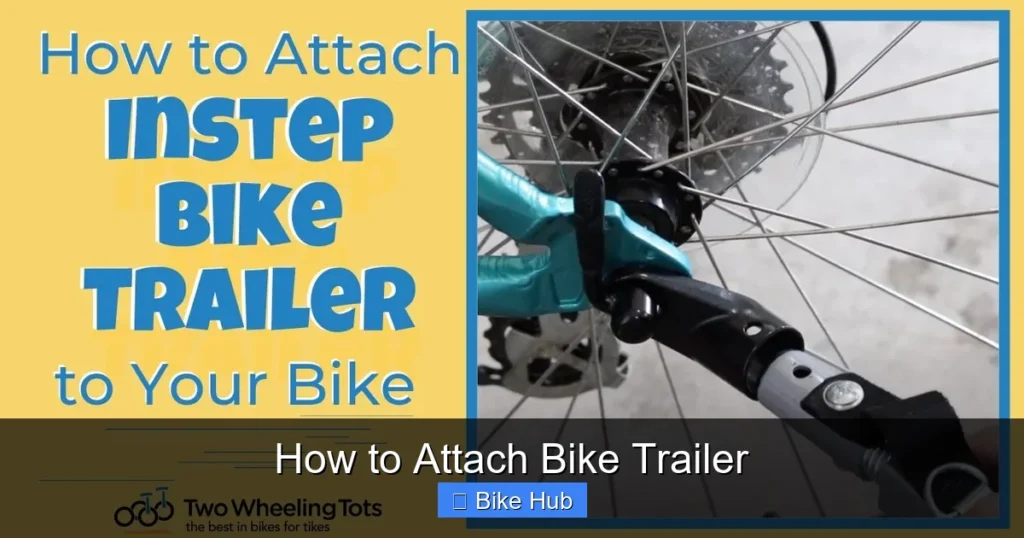
This guide walks you through how to attach a bike trailer securely and confidently. You’ll learn about compatibility checks, proper installation steps, safety tips, and troubleshooting common issues.
Key Takeaways
- Check compatibility first: Ensure your bike has the right hitch point or rear axle type for the trailer.
- Use the correct hitch system: Most trailers use a rear axle or seatpost mount—match it to your bike model.
- Secure all connections tightly: Double-check the hitch, safety strap, and wheel attachments before riding.
- Test before long rides: Take a short test ride to confirm stability and alignment.
- Maintain your trailer regularly: Inspect bolts, tires, and the hitch mechanism often for safety.
- Follow weight limits: Never exceed the manufacturer’s recommended load capacity.
- Always use a safety flag and reflectors: Increase visibility, especially in traffic or low light.
How to Attach Bike Trailer: A Complete Step-by-Step Guide
Whether you’re hauling kids, groceries, or camping gear, a bike trailer is a fantastic way to extend your cycling adventures. But before you hit the road, it’s essential to know how to attach a bike trailer safely and correctly. A poorly attached trailer can wobble, detach, or even cause accidents. This guide will walk you through every step—from checking compatibility to securing the final connection—so you can ride with confidence.
In this guide, you’ll learn how to choose the right hitch system, install it properly, and perform safety checks. We’ll also cover common mistakes, troubleshooting tips, and how to maintain your setup for long-term use. Let’s get started!
Step 1: Check Compatibility Between Your Bike and Trailer
Not all bikes and trailers are compatible. Before you begin, verify that your bike can safely support a trailer. Most modern trailers are designed to fit standard adult bikes, but there are exceptions.
Check Your Rear Axle Type
The most common hitch systems attach to the rear axle. If your bike has a quick-release skewer, make sure the trailer hitch is compatible. Some trailers come with adapters for different axle types (e.g., 10mm, 12mm thru-axles). If you’re unsure, check the trailer manual or contact the manufacturer.
Inspect Your Frame and Dropouts
Look at the rear dropouts—the slots where the rear wheel attaches. Most trailers require a solid mounting point. Bikes with carbon frames or unusual geometries (like some recumbents or folding bikes) may need special adapters. For example, if you ride a recumbent bike, you might need to read our guide on how to store a recumbent bike to understand frame-specific considerations.
Verify Weight Capacity
Every trailer has a maximum load limit—typically between 50 and 100 pounds. Check the label or manual. Overloading can damage the trailer, your bike, or both. If you’re carrying a child, ensure the trailer meets safety standards like ASTM F1975.
Step 2: Gather Your Tools and Equipment
Most bike trailers come with a hitch kit, but you may need a few basic tools:
- Allen wrench set (usually 4mm or 5mm)
- Adjustable wrench
- Bike pump (to check tire pressure)
- Safety flag and reflectors (if not included)
Having everything ready will make the process smoother and faster.
Step 3: Attach the Hitch to Your Bike
The hitch is the critical link between your bike and the trailer. There are two main types: axle-mounted and seatpost-mounted.
Axle-Mounted Hitch (Most Common)
- Remove the rear wheel nut or quick-release lever.
- Slide the hitch arm over the axle.
- Reinstall the wheel and tighten securely.
- Attach the hitch arm to the trailer’s coupling mechanism.
Make sure the hitch arm is snug and doesn’t wobble. A loose connection can cause swaying or detachment.
Seatpost-Mounted Hitch
Some trailers, especially lighter cargo models, attach to the seatpost. This method is easier but less stable for heavy loads.
- Loosen the seatpost clamp.
- Slide the hitch bracket onto the seatpost.
- Tighten the clamp firmly—don’t overtighten and crack the post.
- Connect the trailer arm to the hitch.
This method works well for small cargo trailers but isn’t recommended for child carriers.
Step 4: Connect the Trailer to the Hitch
Once the hitch is installed, it’s time to link the trailer.
Align the Coupling Mechanism
Most trailers use a ball-and-socket or pin-style coupler. Lower the trailer arm until it aligns with the hitch. You may need to lift the rear of the trailer slightly.
Secure the Connection
Push the coupler onto the hitch ball or insert the pin. You should hear a click or feel it lock. Some models have a locking lever—engage it fully.
Attach the Safety Strap
This is non-negotiable. The safety strap acts as a backup in case the main hitch fails. Clip it from the trailer frame to your bike’s rear rack or seatpost. Never skip this step—even if you’re just riding around the block.
Step 5: Adjust and Test the Setup
A poorly aligned trailer can pull to one side or bounce excessively.
Check Trailer Alignment
Stand behind the bike and trailer. The trailer should be centered directly behind the rear wheel. If it’s off-center, adjust the hitch arm or coupler angle.
Test the Articulation
Turn the handlebars left and right. The trailer should follow smoothly without binding or excessive resistance. If it feels stiff, check the hitch pivot point for debris or tightness.
Take a Short Test Ride
Ride slowly in a safe area—like a parking lot or quiet street. Listen for rattling, wobbling, or unusual noises. Stop and recheck all connections if something feels off.
Step 6: Load the Trailer Properly
How you load the trailer affects balance and handling.
Distribute Weight Evenly
Place heavier items low and centered. Avoid loading all weight to one side. For child trailers, ensure the child is seated properly with a helmet and secured harness.
Secure Loose Items
Use bungee cords, nets, or straps to prevent shifting. Loose cargo can shift during turns, causing instability. If you’re carrying gear like a crate, review our guide on how to attach crate to bike rack for secure fastening tips.
Check Tire Pressure
Underinflated trailer tires increase rolling resistance and can overheat. Use a bike pump to inflate them to the recommended PSI (usually printed on the tire sidewall). For help, see our article on how to use a bike pump.
Step 7: Add Safety Features
Visibility is crucial, especially in traffic or low light.
Install a Safety Flag
A bright flag (at least 6 feet high) helps drivers see you from a distance. Most trailers include a flag pole—mount it securely.
Use Reflectors and Lights
Attach rear and side reflectors. Add a red rear light and white front light if riding at dusk or dawn. Some trailers have built-in light mounts.
Wear Bright Clothing
You’re more visible when you stand out. Wear reflective gear or bright colors.
Troubleshooting Common Issues
Trailer Wobbles or Sways
This usually means the hitch is loose or the load is unbalanced. Stop and recheck all connections. Redistribute weight if needed. Avoid sudden turns or braking.
Hitch Won’t Stay Connected
Ensure the coupler is fully seated and the locking mechanism is engaged. Clean any dirt or grease from the hitch ball. If the problem persists, the hitch may be worn—replace it.
Trailer Pulls to One Side
Check alignment and tire pressure. Uneven tires or a bent hitch arm can cause drift. Also, verify that both trailer wheels are properly inflated and aligned.
Difficulty Turning
Trailers reduce maneuverability. Make wide turns and avoid sharp corners. If the trailer hits curbs or obstacles, slow down and plan your path.
Maintenance Tips for Long-Term Use
Regular maintenance keeps your trailer safe and functional.
Inspect Before Every Ride
Check the hitch, safety strap, wheels, and frame for damage. Look for cracks, loose bolts, or worn tires.
Lubricate Moving Parts
Apply light grease to the hitch pivot and wheel bearings every few months. Avoid over-lubricating, which can attract dirt.
Store Properly
Keep the trailer in a dry place to prevent rust. If you’re storing it long-term, remove the wheels and cover it. For tips on bike storage, check out our guide on how to store a recumbent bike, which includes general storage principles.
Conclusion
Attaching a bike trailer doesn’t have to be complicated. By following these steps—checking compatibility, installing the hitch correctly, securing all connections, and testing the setup—you’ll ensure a safe and smooth ride. Whether you’re transporting kids, gear, or groceries, a properly attached trailer enhances your cycling experience.
Remember: safety comes first. Always use the safety strap, maintain your equipment, and ride defensively. With the right preparation, your bike trailer can open up a world of new adventures—from weekend family outings to cross-country tours.



