
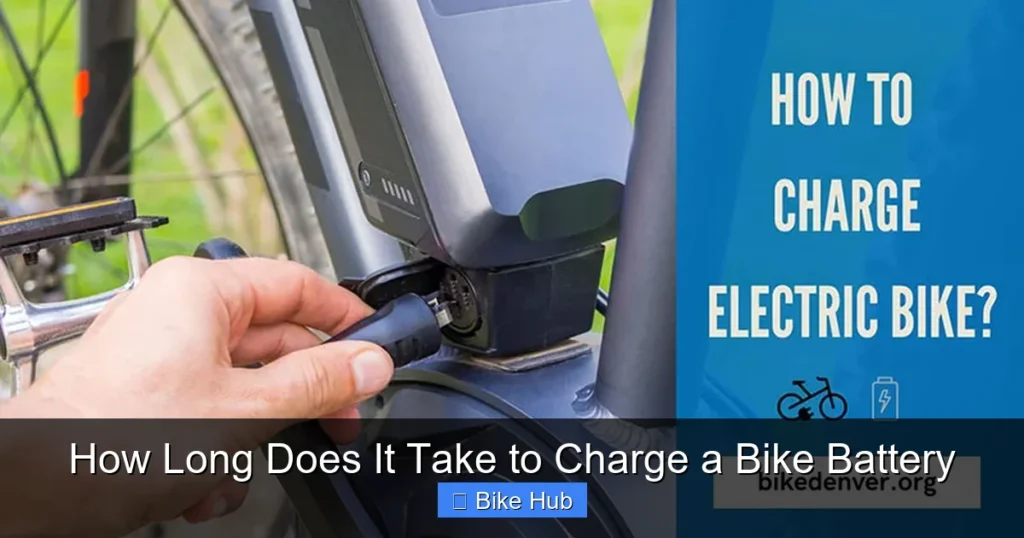
Charging your e-bike battery correctly is key to performance and longevity. This guide explains average charging times, what affects them, and how to charge safely and efficiently.
Key Takeaways
- Battery capacity matters: Larger batteries (measured in watt-hours or Ah) take longer to charge than smaller ones.
- Charger output affects speed: A higher-amperage charger can reduce charging time, but only if compatible with your battery.
- State of charge impacts duration: A nearly empty battery takes longer to charge than one that’s partially full.
- Temperature plays a role: Charging in extreme cold or heat can slow down the process and harm battery health.
- Use the right charger: Always use the manufacturer-recommended charger to avoid damage or fire risks.
- Partial charges are fine: You don’t need to drain the battery completely before recharging—modern lithium-ion batteries prefer partial cycles.
- Storage and maintenance extend life: Proper storage and regular care help maintain optimal charging performance over time.
How Long Does It Take to Charge a Bike Battery?
If you own an electric bike (e-bike), one of the most common questions you’ll face is: How long does it take to charge a bike battery? The answer isn’t one-size-fits-all. Charging time depends on several factors, including battery size, charger type, current charge level, and environmental conditions. In this guide, we’ll walk you through everything you need to know to charge your e-bike battery efficiently, safely, and without unnecessary delays.
Whether you’re commuting daily, tackling weekend trails, or preparing for a long ride, understanding your battery’s charging needs helps you plan better and extend its lifespan. Let’s dive in.
Understanding Your E-Bike Battery
Before we talk about charging times, it’s important to understand what kind of battery your e-bike uses. Most modern e-bikes come with lithium-ion (Li-ion) batteries. These are lightweight, energy-dense, and have a long cycle life compared to older battery types like lead-acid or nickel-cadmium.
Lithium-ion batteries are rated in two key ways:
– Voltage (V): Typically ranges from 24V to 48V on consumer e-bikes.
– Capacity (Ah or Wh): Measured in ampere-hours (Ah) or watt-hours (Wh). This tells you how much energy the battery can store.
For example, a 36V 10Ah battery has a capacity of 360 watt-hours (36 × 10 = 360Wh). The higher the Wh, the longer the battery will last—and the longer it may take to charge.
Factors That Affect Charging Time
Several variables influence how long it takes to charge your bike battery. Let’s break them down.
Battery Capacity
The bigger the battery, the longer it takes to charge. A 48V 17.5Ah battery (840Wh) will take significantly longer to charge than a 36V 10Ah battery (360Wh), assuming the same charger is used.
Charger Output (Amperage)
Chargers are rated by their output current, measured in amps (A). Common e-bike chargers range from 2A to 5A.
– A 2A charger delivers 2 amps of current.
– A 4A charger delivers twice as much power, so it charges faster.
For example, charging a 360Wh battery with a 2A charger might take 5–6 hours, while a 4A charger could do it in 2.5–3 hours—roughly half the time.
Current Charge Level
If your battery is at 20%, it will take less time to reach 100% than if it’s completely dead. Most e-bikes allow you to check the charge level via a display or LED indicator.
Battery Age and Health
Older batteries lose capacity over time. A battery that once held 10Ah might now only hold 8Ah. This means it charges faster but also drains quicker. Regular maintenance helps slow this degradation.
Temperature
Batteries charge best at room temperature (around 20–25°C or 68–77°F). Charging in very cold or hot conditions can slow the process or trigger safety cutoffs. Avoid charging immediately after a long ride in extreme weather.
Charging Method
You can charge your battery:
– On the bike (leaving the battery installed)
– Off the bike (removing it and charging indoors)
Charging off the bike is often safer and more convenient, especially in bad weather. It also reduces strain on the bike’s electrical system.
How to Calculate Charging Time
Want to estimate how long your battery will take to charge? Use this simple formula:
Charging Time (hours) = Battery Capacity (Ah) ÷ Charger Output (A)

Visual guide about How Long Does It Take to Charge a Bike Battery
Image source: cdn.shopify.com
Visual guide about How Long Does It Take to Charge a Bike Battery
Image source: emobilityquest.com
For example:
– Battery: 10Ah
– Charger: 2A
– Time = 10 ÷ 2 = 5 hours
Keep in mind, this is a rough estimate. Real-world charging isn’t perfectly linear. Most batteries charge quickly up to about 80%, then slow down for the final 20% to protect the cells (this is called “tapering”).
So, while the math says 5 hours, it might take 5.5 or 6 hours in practice.
Step-by-Step Guide to Charging Your E-Bike Battery
Follow these steps to charge your battery safely and efficiently.
Step 1: Check the Battery Level
Before plugging in, check how much charge is left. Most e-bikes have a display or button that shows the current level. If it’s below 20%, it’s a good time to charge.
Step 2: Choose the Right Charger
Always use the charger that came with your e-bike. Using a third-party or incompatible charger can damage the battery or pose a fire risk. If you’ve lost your original charger, buy a replacement from the manufacturer or a trusted retailer.
Step 3: Decide Where to Charge
You can charge the battery:
– On the bike: Convenient, but avoid leaving it in direct sunlight or rain.
– Off the bike: Safer and better for battery health. Store the battery indoors at room temperature.
If you remove the battery, make sure it’s clean and dry before charging.
Step 4: Plug In and Monitor
Connect the charger to the battery, then plug it into a wall outlet. Most chargers have an LED light:
– Red or orange: Charging
– Green: Fully charged
Avoid leaving the battery unattended for long periods, especially overnight. While modern chargers have safety features, it’s best to unplug once charging is complete.
Step 5: Store Properly After Charging
If you’re not riding right away, store the battery at around 50–60% charge in a cool, dry place. This helps preserve its lifespan. For long-term storage, check the charge every few months and top it up if needed.
Tips for Faster and Safer Charging
Want to charge your battery quicker without sacrificing safety? Try these tips:
- Use a higher-amp charger (if compatible): If your e-bike supports it, a 4A or 5A charger can cut charging time significantly. Check your manual first.
- Avoid extreme temperatures: Charge indoors when it’s very cold or hot outside.
- Charge after cooling down: Let the battery rest for 15–30 minutes after a long ride before plugging in.
- Keep connectors clean: Dust and dirt can interfere with charging. Wipe the battery and charger ports with a dry cloth.
- Don’t overcharge: Unplug the charger once the light turns green. Modern batteries have protection circuits, but it’s still good practice.
Troubleshooting Common Charging Issues
Sometimes, your battery won’t charge as expected. Here’s how to fix common problems.
Battery Won’t Charge at All
– Check the charger: Is it plugged in? Is the outlet working?
– Inspect the battery: Look for damage, swelling, or loose connections.
– Try a different outlet or charger if available.
– If the battery is deeply discharged, it may need a “wake-up” charge. Some chargers have a recovery mode—consult your manual.
Charging Takes Too Long
– Your charger may be underpowered. Consider upgrading to a higher-amp model (if compatible).
– The battery could be old or damaged. Test its capacity or consult a technician.
– Cold temperatures slow charging. Bring the battery indoors.
Battery Gets Hot During Charging
– Slight warmth is normal, but excessive heat is a red flag.
– Stop charging immediately if the battery feels hot to the touch.
– Let it cool down and inspect for damage. Do not continue charging if it’s swollen or leaking.
Charger Light Doesn’t Turn Green
– The battery may be faulty or deeply discharged.
– Try charging for a few hours, then check again.
– If the light stays red/orange, the battery or charger may need replacement.
How to Maintain Your Battery for Longer Life
Proper care extends battery life and keeps charging times consistent.
- Avoid full discharges: Try not to let the battery drop below 20% regularly.
- Store at partial charge: For long-term storage, keep the battery at 50–60%.
- Clean regularly: Wipe the battery and contacts with a dry cloth.
- Use the right charger: Never use a charger not designed for your battery.
- Check for updates: Some e-bikes have firmware that improves battery management—keep it updated.
For more tips on bike maintenance, check out our guide on how to maintain a road bike or learn how to protect a bike frame from rust.
Conclusion
So, how long does it take to charge a bike battery? On average, most e-bike batteries take between 3 to 6 hours to charge fully, depending on capacity and charger output. A 360Wh battery with a 2A charger might take 5 hours, while a larger 840Wh battery with a 4A charger could take 4–5 hours.
The key is understanding your battery’s specs, using the right charger, and charging in optimal conditions. With proper care, your battery will charge efficiently and last for thousands of miles.
Whether you’re preparing for a long ride or just topping up after your daily commute, following these guidelines ensures your e-bike is always ready to go. And if you’re planning a big adventure, don’t miss our tips on how to prepare a mountain bike for long rides.
Charge smart, ride longer, and enjoy every mile.



