

Electric bikes often come equipped with gears, just like traditional bicycles, to help riders manage different terrains and riding conditions. Understanding how these gears work—and when to use them—can significantly improve your efficiency, comfort, and battery life.
Key Takeaways
- Most electric bikes have gears: The majority of e-bikes feature either derailleur or hub-based gear systems to assist with pedaling effort and speed control.
- Gears help conserve battery: Using lower gears on hills and higher gears on flat roads reduces motor strain and extends your e-bike’s range.
- Single-speed e-bikes exist but are limited: Some urban or folding e-bikes use single-speed setups, ideal for flat city commutes but less versatile on varied terrain.
- Motor placement affects gearing needs: Mid-drive motors work best with multi-gear systems, while hub motors can function well with fewer or no gears.
- Proper shifting technique matters: Avoid shifting under heavy load to prevent drivetrain damage and ensure smooth performance.
- Maintenance is key: Regular cleaning, lubrication, and adjustments keep your e-bike’s gears running smoothly and efficiently.
- Choose based on your riding style: Commuters may prefer simplicity, while trail riders benefit from wide-range gearing for climbs and descents.
Do Electric Bikes Have Gears? A Complete Guide
If you’re new to electric bikes—or even if you’ve been riding one for a while—you might be wondering: Do electric bikes have gears? The short answer is yes, most do. But it’s not quite as simple as that. Unlike early e-bikes that sometimes skipped gears entirely, modern electric bicycles are designed with gearing systems that complement the motor, enhance efficiency, and improve overall ride quality.
In this guide, we’ll walk you through everything you need to know about e-bike gears: how they work, why they matter, the different types available, and how to use them effectively. Whether you’re commuting through the city, tackling mountain trails, or just cruising around the neighborhood, understanding your e-bike’s gearing system will help you get the most out of every ride.
Why Do Electric Bikes Need Gears?
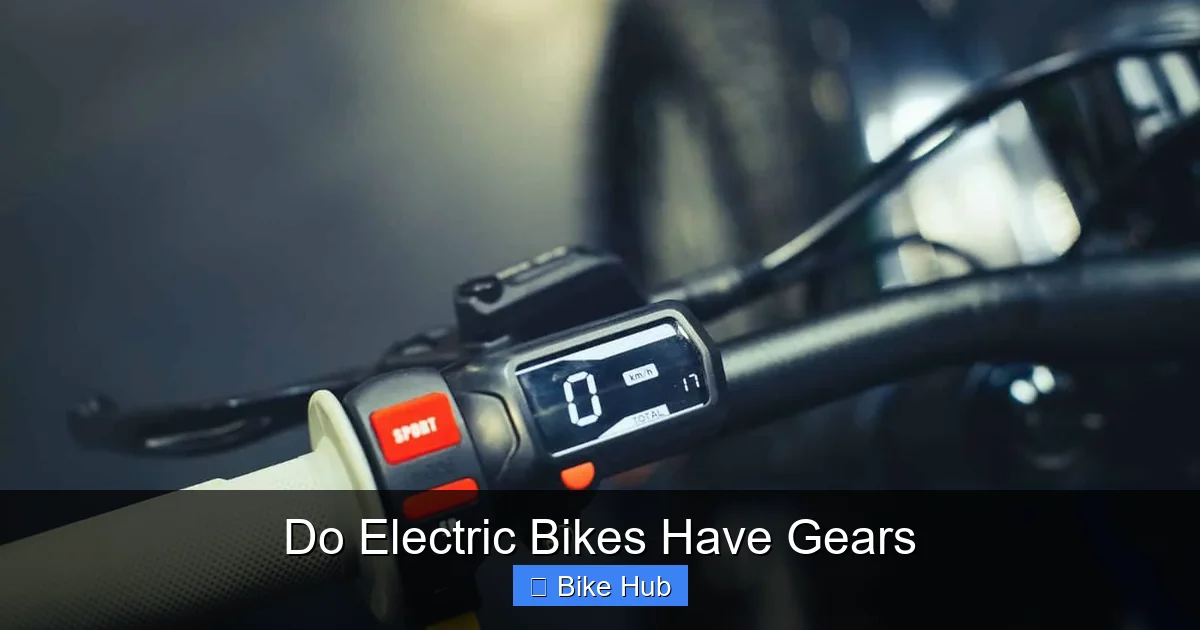
Visual guide about Do Electric Bikes Have Gears
Image source: discerningcyclist.com
At first glance, it might seem unnecessary—after all, the motor does a lot of the work, right? But gears play a crucial role in optimizing both human and motor power. Here’s why:
1. Improve Pedal Efficiency
Gears allow you to maintain a comfortable pedaling cadence (typically 60–90 revolutions per minute) regardless of speed or terrain. On a steep hill, low gears make it easier to pedal without straining. On flat roads or downhill, high gears let you go faster without spinning out.
2. Extend Battery Life
Using the right gear reduces the load on your motor. For example, grinding up a hill in a high gear forces the motor to work harder, draining the battery faster. Shifting into a lower gear lets you pedal more efficiently, sharing the workload and conserving energy.
3. Protect the Motor and Drivetrain
Riding in the wrong gear—like using a very high gear on a steep climb—can overstress both the motor and the chain. Proper gearing distributes effort evenly, reducing wear and tear.
4. Adapt to Different Terrains
Whether you’re navigating city streets, gravel paths, or mountain trails, gears give you the flexibility to adjust your effort. This is especially important for riders who encounter hills, wind, or mixed surfaces.
Types of Gears on Electric Bikes
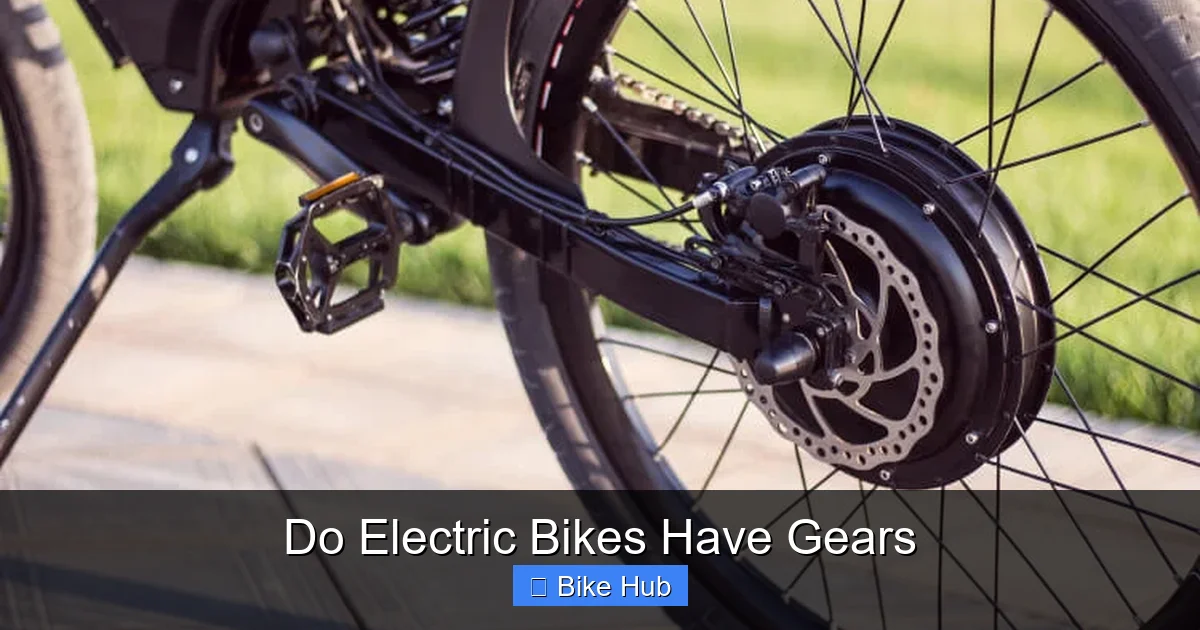
Visual guide about Do Electric Bikes Have Gears
Image source: ebikepursuits.com
Not all e-bike gears are created equal. Here are the most common types you’ll encounter:
Derailleur Gears
The most common system on modern e-bikes, derailleur gears use a chain that moves across multiple sprockets (cogs) on the rear wheel. A shifter on the handlebar controls a mechanism that pushes the chain up or down the cassette.
– Pros: Lightweight, efficient, wide range of gears (often 7–12 speeds).
– Cons: Requires regular maintenance; exposed parts can get dirty or damaged.
– Best for: Commuting, trail riding, and long-distance touring.
If you’re looking for a reliable commuter e-bike with smooth shifting, check out our guide to the best electric bikes for commuting.
Internal Hub Gears
These gears are enclosed within the rear hub, offering a clean, low-maintenance alternative. Common brands include Shimano Nexus and Enviolo.
– Pros: Protected from dirt and weather; quiet operation; easy to shift while stopped.
– Cons: Heavier; fewer gear options (typically 3–8 speeds); less efficient at extreme ratios.
– Best for: City riders, wet climates, and those who prefer minimal upkeep.
Single-Speed E-Bikes
Some e-bikes—especially budget models, folding bikes, or urban commuters—come with no gears at all. These rely entirely on the motor for speed variation.
– Pros: Simple, lightweight, low maintenance.
– Cons: Limited versatility; struggle on hills or headwinds.
– Best for: Flat city commutes under 10 miles.
For a compact, no-fuss ride, consider the best foldable fat tire electric bike, which balances portability with performance.
How to Use Gears on Your Electric Bike
Using gears effectively takes a bit of practice, but it quickly becomes second nature. Follow these steps for smooth, efficient shifting:
Step 1: Understand Your Shifters
Most e-bikes have two shifters:
– The left shifter controls the front derailleur (if present), switching between chainrings.
– The right shifter controls the rear derailleur, moving the chain across the cassette.
Some hub-geared bikes use a twist grip or push-button shifter instead.
Step 2: Shift Before You Need To
Don’t wait until you’re already straining on a hill to shift down. Anticipate changes in terrain and shift early. This reduces stress on the chain and ensures smoother transitions.
Step 3: Ease Off the Pedals While Shifting
Apply light pressure or pause pedaling for a split second when shifting. This allows the chain to move cleanly between gears without grinding.
Step 4: Match Gear to Terrain
– Low gears (small front chainring, large rear cog): Use for climbing hills, starting from a stop, or riding into headwinds.
– High gears (large front chainring, small rear cog): Use on flat roads or downhill for maximum speed.
– Middle gears: Ideal for steady cruising on moderate terrain.
Step 5: Avoid Cross-Chaining
Don’t use the smallest chainring with the smallest rear cog (or largest with largest). This creates diagonal chain tension, increasing wear. Stick to combinations that keep the chain relatively straight.
Troubleshooting Common Gear Issues
Even the best gear systems can develop problems. Here’s how to spot and fix common issues:
Skipping or Slipping Gears
This usually means the derailleur is misaligned or the chain is worn. Try adjusting the derailleur limit screws or replacing the chain if it’s stretched.
Difficulty Shifting
Check cable tension and lubrication. Dirt or rust can stiffen cables. Clean and re-lube the drivetrain regularly.
Chain Noise or Grinding
Often caused by a dirty chain or misaligned derailleur. Clean the chain with a degreaser and realign the derailleur if needed.
Gears Won’t Shift at All
Inspect the shifter cable for breaks or kinks. If the cable is intact, the derailleur may need adjustment or replacement.
Regular maintenance is key. For help keeping your e-bike in top shape, read our guide on the how to choose a pump for e-bikes, which includes tips on overall bike care.
Choosing the Right E-Bike Based on Gearing
Your ideal gear setup depends on how and where you ride:
– City commuters: Look for 7–8 speed derailleur or internal hub gears. Prioritize ease of use and weather resistance. Explore our list of the best electric bikes for city commuting.
– Mountain or trail riders: Choose e-bikes with wide-range cassettes (e.g., 11–51T) and mid-drive motors for better weight distribution and climbing power.
– Budget buyers: Single-speed or 3-speed models under $1,000 can be great starters. See our picks for the best electric bikes under $1000.
– Long-distance travelers: Opt for 10–12 speed systems with reliable derailleurs and durable components.
Final Thoughts
So, do electric bikes have gears? Absolutely—and for good reason. Gears aren’t just a holdover from traditional bikes; they’re a vital part of what makes e-bikes efficient, adaptable, and enjoyable to ride. Whether you’re climbing a steep hill, cruising through traffic, or exploring off-road trails, the right gearing system helps you ride smarter, not harder.
By understanding how your e-bike’s gears work and using them correctly, you’ll extend your battery life, reduce wear on components, and enjoy a smoother, more controlled ride. And when it’s time to upgrade or buy your first e-bike, consider your terrain, riding style, and maintenance preferences to choose the perfect gear setup.
With the right knowledge and a well-maintained bike, you’ll be shifting gears like a pro in no time.



