
Dirt bikes are expensive due to high-performance engineering, advanced materials, and specialized components built for extreme conditions. This guide breaks down the key reasons behind the price tag, from R&D to brand reputation, and helps you understand what you’re really paying for.
Key Takeaways
- Advanced engineering and R&D: Dirt bikes require extensive research, testing, and development to handle rough terrain and high speeds.
- High-quality materials: Lightweight yet durable metals like aluminum and titanium increase performance and safety but also cost.
- Specialized components: Suspension systems, engines, and brakes are built for off-road performance, not everyday use.
- Low production volume: Unlike road bikes, dirt bikes are produced in smaller numbers, raising per-unit costs.
- Brand reputation and racing heritage: Top brands invest heavily in racing teams and innovation, which influences pricing.
- Maintenance and durability expectations: Buyers expect long-lasting bikes that can survive crashes and harsh conditions.
- Electric dirt bikes add tech costs: Newer electric models include batteries and motors that increase upfront prices.
Why Are Dirt Bikes So Expensive? A Complete Breakdown
If you’ve ever looked at a dirt bike price tag and gasped, you’re not alone. A new dirt bike can easily cost $7,000 to $12,000 or more—sometimes even rivaling the price of a used car. So why are dirt bikes so expensive? It’s not just about the engine or the shiny paint job. The cost comes from a mix of advanced engineering, premium materials, low production volumes, and high-performance expectations.
In this guide, we’ll walk you through the real reasons behind the high price of dirt bikes. Whether you’re a beginner looking for your first ride or a seasoned rider comparing models, understanding these factors will help you make a smarter purchase and appreciate what you’re paying for.
Step 1: Understand the Role of Research and Development
Dirt bikes aren’t built in a day—or even a year. Before a single bike hits the trail, manufacturers spend years designing, testing, and refining every part.
Extensive Testing in Real Conditions
Engineers test prototypes on everything from rocky mountain trails to muddy motocross tracks. They simulate crashes, extreme temperatures, and high-speed jumps to ensure safety and performance. This kind of testing isn’t cheap—it requires specialized teams, equipment, and time.
Visual guide about Why Are Dirt Bikes So Expensive
Image source: thecostguys.com
Innovations in Suspension and Handling
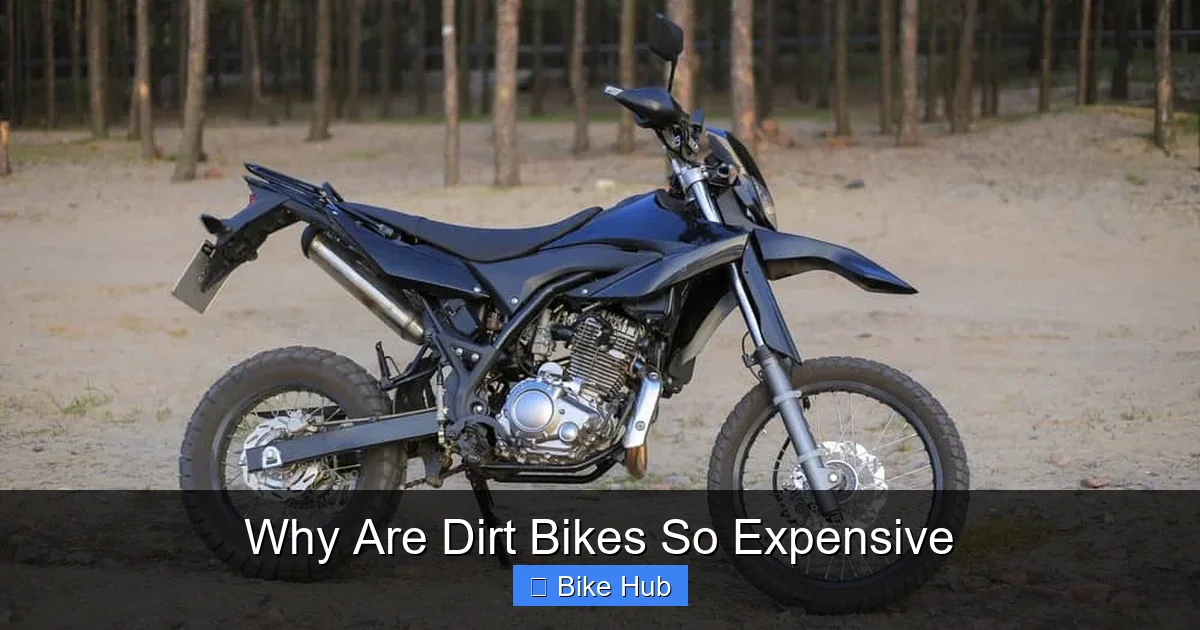
Modern dirt bikes feature cutting-edge suspension systems like inverted forks and linkage rear shocks. These aren’t just fancy add-ons—they’re critical for absorbing impacts and keeping the bike stable. Companies like Yamaha and KTM invest millions in developing these systems, and that R&D cost gets passed on to you.
Example: The Evolution of the Four-Stroke Engine
Early dirt bikes used two-stroke engines, which were lighter but less powerful and dirtier. Today’s four-stroke engines offer better torque, fuel efficiency, and emissions control—but they’re more complex and expensive to build. The shift required years of development and new manufacturing techniques.
Step 2: Examine the Use of Premium Materials
You can’t build a dirt bike that survives jumps, rocks, and mud using cheap parts. That’s why manufacturers use high-grade materials that cost more but deliver better performance and durability.
Lightweight Yet Strong Frames
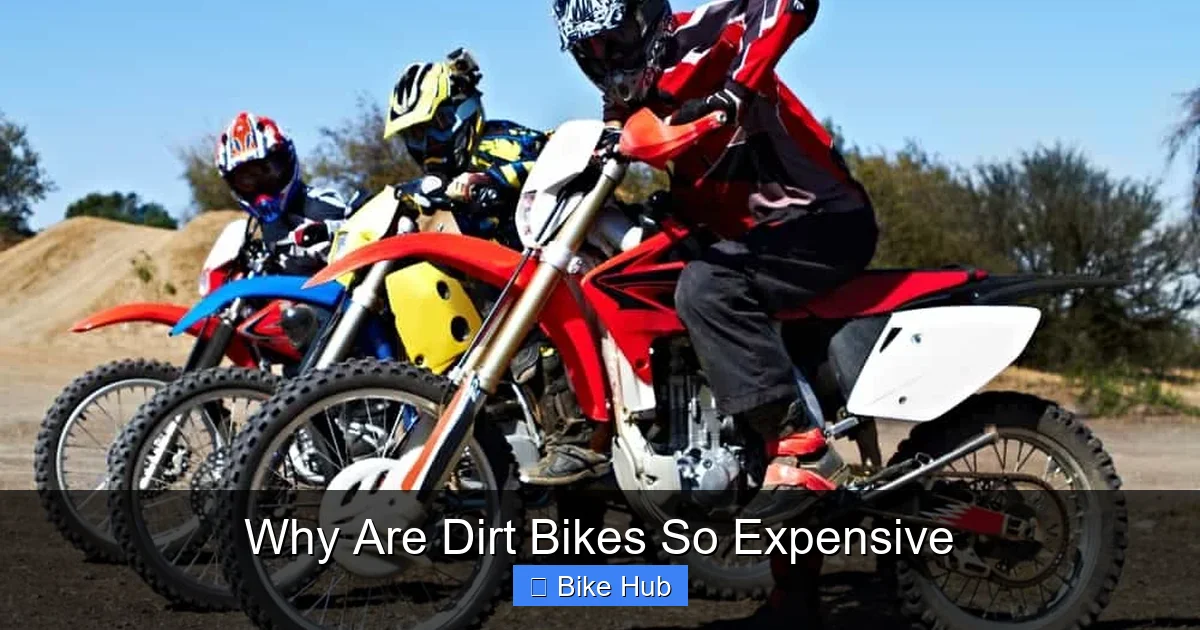
Most dirt bikes use aluminum or chromoly steel frames. Aluminum is lighter, which improves handling and acceleration, but it’s more expensive to machine and weld. Chromoly steel is stronger and absorbs vibration better, but it requires precise heat treatment.
Visual guide about Why Are Dirt Bikes So Expensive
Image source: thecostguys.com
High-Performance Engines and Components
Engine parts like pistons, crankshafts, and valves are made from forged metals that can withstand extreme heat and pressure. These aren’t the same as the parts in your lawnmower—they’re precision-engineered for high RPMs and constant stress.
Example: Titanium vs. Steel Exhaust Systems
Titanium exhausts are lighter and resist corrosion better than steel, but they can cost 3–5 times more. Some high-end models use titanium to save weight and improve performance, especially in racing applications.
Step 3: Consider the Specialized Components
Dirt bikes are packed with parts you won’t find on regular motorcycles or bicycles. These components are designed specifically for off-road use and come at a premium.
Advanced Suspension Systems
High-end suspension isn’t just about comfort—it’s about control. Components like adjustable compression and rebound damping let riders fine-tune their ride for different terrains. These systems require精密 engineering and high-quality seals, springs, and oil.
Off-Road Tires and Wheels
Dirt bike tires are built with aggressive treads and reinforced sidewalls to grip loose dirt and resist punctures. They’re also wider and more flexible than street tires, which affects manufacturing complexity. Wheels are often made from lightweight alloys to reduce unsprung weight.
Braking Systems Built for Abuse
Disc brakes on dirt bikes are larger and more durable than those on street bikes. They’re designed to work in mud, water, and dust without fading. Many models use hydraulic brakes with sintered pads that last longer but cost more to produce.
Step 4: Factor in Low Production Volumes
Unlike cars or road bikes, dirt bikes aren’t made in massive quantities. This affects pricing in a big way.
Economies of Scale Don’t Apply
When a company makes millions of the same product, it can spread out tooling and labor costs. But dirt bike manufacturers produce only thousands of units per model each year. That means each bike carries a larger share of the fixed costs.
Customization and Model Variety
There are dozens of dirt bike models tailored to different riding styles—motocross, enduro, trail, and freestyle. Each variant has unique parts and setups, which reduces production efficiency. A motocross bike won’t share many components with a trail bike, even if they’re from the same brand.
Example: Limited-Edition Models
Some brands release limited-run bikes with special graphics or upgraded parts. These are even more expensive because they’re produced in smaller batches and often hand-assembled.
Step 5: Recognize the Value of Brand Reputation and Racing
Top dirt bike brands aren’t just selling machines—they’re selling a legacy of performance and innovation.
Investment in Racing Teams
Companies like Honda, Kawasaki, and Husqvarna spend millions sponsoring professional riders and racing teams. The technology developed in motocross and supercross trickles down to consumer models. That racing pedigree adds value—and cost.
Brand Trust and Resale Value
Well-known brands have loyal followings and higher resale values. Riders trust these companies to deliver reliable, high-performance bikes. That trust allows brands to charge more, and customers are often willing to pay for it.
Example: The KTM Factory Edition
KTM’s Factory Edition bikes come with race-spec parts and are used by their pro team. These models cost significantly more than standard versions but offer near-professional performance.
Step 6: Account for Durability and Maintenance Expectations
Dirt bikes are expected to survive brutal conditions. That means they’re built to last—but that durability comes at a price.
Crash-Resistant Design
Plastic bodywork, reinforced frames, and skid plates are designed to protect the bike during falls. These parts are thicker and more impact-resistant than on other bikes, increasing material costs.
Serviceability and Part Availability
Manufacturers design dirt bikes to be easy to maintain, with accessible oil filters, air filters, and spark plugs. But making serviceable parts also requires precise engineering and quality control.
Example: The Cost of Rebuilds
Even though dirt bikes are built tough, engines and suspensions need regular rebuilds. The parts used in these rebuilds—like piston kits and shock seals—are high-quality and expensive, adding to the long-term cost of ownership.
Step 7: Understand the Rise of Electric Dirt Bikes
Electric dirt bikes are becoming more popular, but they’re often more expensive than gas-powered models.
Battery and Motor Technology
Electric dirt bikes use high-capacity lithium-ion batteries and powerful brushless motors. These components are costly to produce and require advanced thermal management systems to prevent overheating.
Limited Range and Charging Infrastructure
While electric bikes are quieter and require less maintenance, their range is still limited compared to gas bikes. Manufacturers are investing in better battery tech, which drives up prices. For example, the best electric dirt bikes for adults often cost $10,000 or more due to these advanced systems.
Example: The RM7 Electric Dirt Bike
The RM7 electric dirt bike offers impressive power and torque but comes with a premium price tag. Its battery alone accounts for a large portion of the cost.
Troubleshooting: Common Misconceptions About Dirt Bike Pricing
Many people assume dirt bikes are overpriced because they don’t understand what goes into them. Here are a few myths—and the truth behind them.
Myth: “It’s Just a Motorcycle with No Lights”
While dirt bikes don’t have headlights or turn signals, they’re far more specialized than street bikes. Their suspension, tires, and frames are built for off-road abuse, not city commuting.
Myth: “You Can Build One Cheaply”
Some riders try to save money by buying used parts or building a custom bike. But sourcing reliable, high-performance components is difficult and often ends up costing more than a factory model. Check out our guide on the best custom dirt jump bikes to see how complex these builds can be.
Myth: “All Dirt Bikes Are the Same”
There’s a huge difference between a beginner-friendly trail bike and a competition-ready motocross machine. The latter includes race-tuned engines, premium suspension, and lightweight materials—all of which justify the higher price.
Conclusion: Is the High Price Worth It?
So, why are dirt bikes so expensive? It’s not just one thing—it’s a combination of advanced engineering, premium materials, specialized components, low production runs, and brand value. Every dollar you spend goes toward a machine built to handle extreme conditions, deliver top performance, and last for years with proper care.
If you’re new to the sport, consider starting with a more affordable model like those in our list of the best dirt bikes for beginners. As you gain experience, you’ll appreciate the technology and craftsmanship that justify the cost of higher-end bikes.
Ultimately, a dirt bike is more than just a vehicle—it’s a tool for adventure, competition, and freedom. And that’s something worth investing in.



