

Riding a bike with headphones isn’t always illegal—but it can be, depending on where you live. This guide breaks down state laws, safety concerns, and smart alternatives so you can ride legally and safely.
Key Takeaways
- Laws vary by state: Some states ban headphones on bikes, while others allow one ear or low volume.
- Safety risks are real: Headphones can block traffic noise, sirens, and horns, increasing accident risk.
- One ear open is safer: Using only one earbud keeps you aware of your surroundings.
- Bone conduction headphones are a legal alternative: They let you hear music and ambient sounds clearly.
- Helmets and lights improve safety: Always pair safe listening habits with proper gear like helmets and lights.
- Check local ordinances: Cities and counties may have stricter rules than state law.
- Distracted riding is dangerous: Even if legal, headphones can distract you from road hazards.
Is It Illegal to Ride a Bike with Headphones?
If you love cruising on your bike while listening to music, podcasts, or audiobooks, you’re not alone. Many cyclists enjoy audio entertainment on the go. But before you plug in, it’s important to know: is it illegal to ride a bike with headphones? The answer isn’t a simple yes or no—it depends on where you live, what type of headphones you use, and how you use them.
In this guide, we’ll walk you through the laws across the U.S., explain the safety risks, and offer practical tips to help you ride legally and safely. Whether you’re commuting to work, training for a race, or just enjoying a weekend ride, knowing the rules can help you avoid fines and stay safe on the road.
Understanding the Laws: State-by-State Breakdown
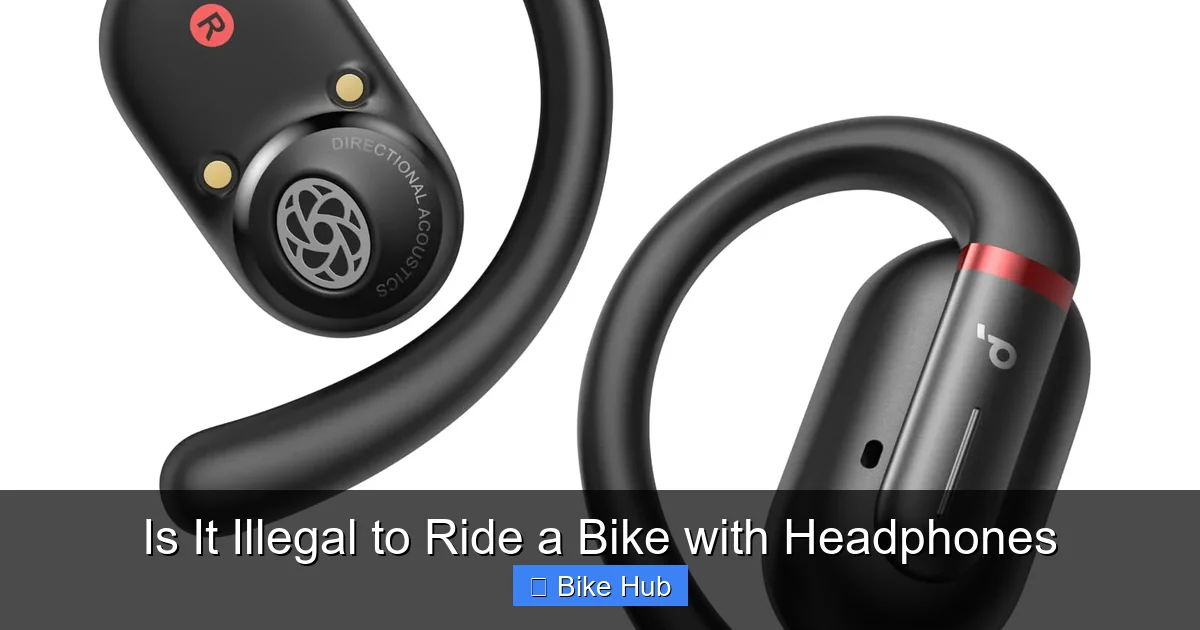
Visual guide about Is It Illegal to Ride a Bike with Headphones
Image source: m.media-amazon.com
Bicycle laws in the U.S. are set at the state level, and rules about headphones vary widely. Some states have clear bans, while others are more lenient. Let’s look at the key categories.
States with Full Bans on Headphones
A few states prohibit cyclists from wearing headphones in both ears. These include:
– Alaska: It’s illegal to wear headphones that cover both ears while riding a bike.
– California: California Vehicle Code Section 27400 states that no person shall wear headphones covering both ears while operating a vehicle—including bicycles.
– New York: Similar to California, New York bans headphones in both ears for cyclists.
In these states, wearing headphones in both ears can result in a fine, just like using a phone while driving.
States with Partial Restrictions
Other states allow one ear to be covered but not both. This is often called the “one ear rule.” Examples include:
– Florida: Cyclists may wear headphones in one ear but not both.
– Illinois: No specific ban, but local ordinances in cities like Chicago may restrict headphone use.
This approach aims to balance entertainment with awareness—letting you enjoy music while still hearing traffic.
States with No Specific Laws
Many states don’t mention headphones in their bicycle laws. These include Texas, Ohio, and Arizona. However, that doesn’t mean you’re in the clear. Even in states without explicit bans, you could still be cited for distracted riding or failure to maintain proper control of your bike.
Check Local Ordinances
Don’t forget about city and county rules. For example, even if your state allows headphones, your local government might not. Always check your city’s municipal code before hitting the road.
Safety Risks of Riding with Headphones
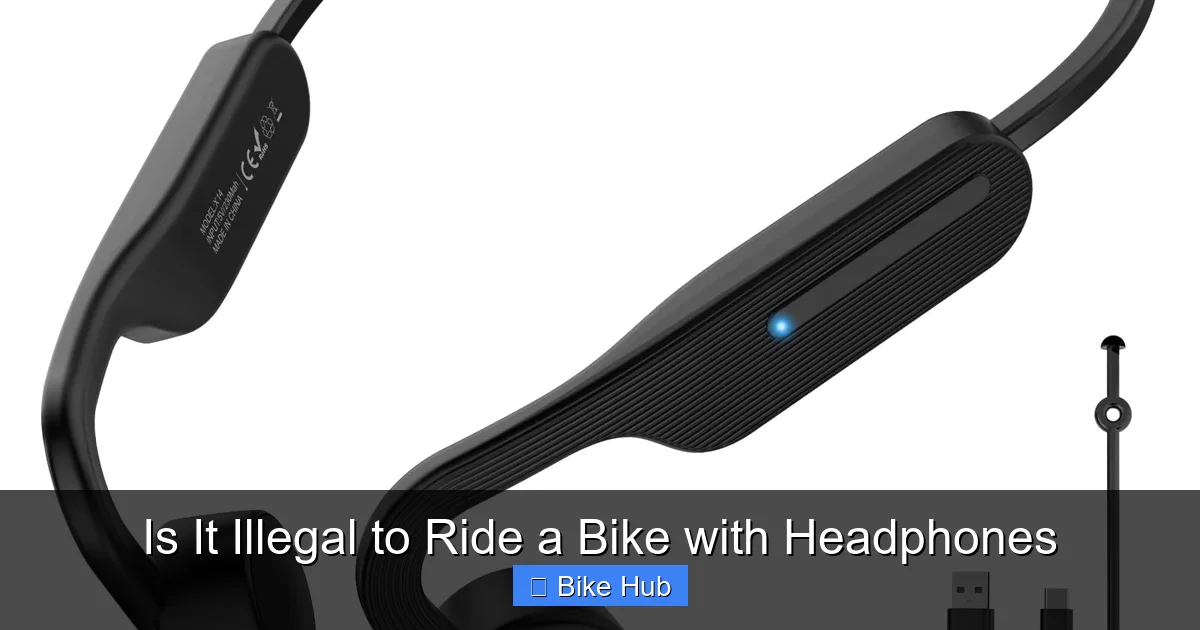
Visual guide about Is It Illegal to Ride a Bike with Headphones
Image source: m.media-amazon.com
Even if it’s legal where you live, riding with headphones comes with real safety risks. Your ears are just as important as your eyes when it comes to cycling safely.
Reduced Awareness of Traffic
Cars, trucks, motorcycles, and emergency vehicles rely on sound to alert you. If you’re wearing headphones, especially at high volume, you might miss:
– A car horn warning you of a turn
– A siren from an ambulance or police car
– A cyclist calling out “On your left!”
These sounds give you critical time to react. Blocking them increases your risk of collision.
Delayed Reaction Time
Studies show that auditory cues help you react faster to danger. When you can’t hear, your brain has to rely solely on visual input, which can slow your response. In fast-moving traffic, even a half-second delay can make a big difference.
Distraction and Cognitive Load
Listening to music or a podcast can be mentally engaging. While it might make your ride more enjoyable, it can also distract you from road conditions, potholes, or pedestrians stepping into the bike lane.
Safer Alternatives to Headphones
You don’t have to give up audio entirely. There are safer, legal ways to enjoy music or navigation while riding.
Use Bone Conduction Headphones
Bone conduction headphones sit just in front of your ears and transmit sound through your cheekbones—not your eardrums. This leaves your ears completely open, so you can hear traffic, birds, and other cyclists.
Popular brands like Shokz and Aftershokz offer models designed for sports and outdoor use. They’re often legal even in states with headphone bans because they don’t block your ears.
Wear One Earbud Only
If you prefer in-ear headphones, use only one. This keeps one ear free to hear your surroundings. Just make sure the volume isn’t too high—you should still be able to hear a car approaching from behind.
Use a Handlebar Speaker
Small Bluetooth speakers that attach to your handlebars are another option. They let you hear music without blocking your ears. Just keep the volume low enough that it doesn’t disturb others or drown out traffic noise.
Use Voice Navigation
If you’re using GPS, consider voice-guided navigation through a single earbud or a bone conduction headset. This way, you get directions without constant music playing.
Best Practices for Safe and Legal Riding
No matter what audio setup you choose, follow these tips to ride safely and responsibly.
Always Wear a Helmet
Head protection is essential. A properly fitted helmet can save your life in a crash. Make sure your helmet fits snugly and doesn’t interfere with your hearing. If you wear a ponytail, check out our guide on how to wear a bike helmet with a ponytail for a comfortable fit.
Use Front and Rear Lights
Even during the day, lights make you more visible. Install bright LED lights on your bike and wear reflective clothing. For tips on visibility, see our article on how to ride with reflective clothing.
Stay Alert and Scan Your Surroundings
Keep your head on a swivel. Look ahead, check mirrors (if you have them), and listen for cars, pedestrians, and other bikes. Avoid zoning out with long podcasts or loud music.
Ride Predictably
Signal your turns, ride in a straight line, and follow traffic rules. This helps drivers and other cyclists anticipate your movements.
Adjust Volume Based on Environment
In quiet neighborhoods, you might get away with slightly higher volume. But in busy city streets, near schools, or in heavy traffic, keep it low—or turn it off entirely.
Troubleshooting Common Issues
“My headphones keep falling out.”
Try a different style. Bone conduction headphones or secure-fit sports earbuds are less likely to fall out. Avoid bulky over-ear headphones that can shift while riding.
“I can’t hear my music over wind noise.”
Wind can drown out audio, especially at higher speeds. Instead of turning up the volume (which is unsafe), switch to bone conduction headphones or use a handlebar speaker.
“I got a warning from a police officer.”
Even if your state doesn’t ban headphones, officers may issue a warning for distracted riding. Be polite, explain your setup, and consider switching to a safer option like one earbud or a speaker.
Conclusion
So, is it illegal to ride a bike with headphones? It depends. In some states, yes—especially if both ears are covered. In others, it’s allowed with restrictions. But legality aside, safety should always come first.
Using headphones while cycling can block important sounds and increase your risk of accidents. The best approach is to use safer alternatives like bone conduction headphones, one earbud, or a handlebar speaker. Combine that with a helmet, lights, and alert riding habits, and you’ll enjoy your ride while staying safe and legal.
Remember: your ears are your early warning system. Keep them open, stay aware, and ride smart.



