

Street bikes typically last between 10,000 to 30,000 miles, depending on maintenance, usage, and build quality. With proper care, regular tune-ups, and smart riding habits, you can significantly extend your bike’s life and enjoy smooth, reliable performance for years.
Key Takeaways
- Street bikes last 10,000–30,000 miles on average: This range depends on components, riding conditions, and maintenance frequency.
- Regular maintenance is key to longevity: Cleaning, lubricating, and inspecting your bike every few hundred miles prevents wear and tear.
- Quality components last longer: Higher-end drivetrains, chains, and tires endure more miles than budget parts.
- Riding style impacts lifespan: Aggressive braking, fast acceleration, and rough terrain accelerate component wear.
- Storage and weather matter: Keeping your bike dry and protected from the elements helps prevent rust and corrosion.
- Signs it’s time for a replacement: Slipping gears, persistent creaks, or frame damage mean your bike may be nearing the end of its life.
- You can extend your bike’s life with upgrades: Replacing worn parts early and choosing durable accessories helps your bike go the distance.
How Many Miles Do Street Bikes Last? A Complete Guide
If you’re a regular cyclist, commuter, or weekend warrior, you’ve probably wondered: how many miles do street bikes last? It’s a smart question—after all, your bike is an investment in your health, transportation, and enjoyment. The good news? With the right care, a quality street bike can last for tens of thousands of miles. But just like a car, its lifespan depends on how you treat it.
In this guide, we’ll break down everything you need to know about street bike longevity. You’ll learn the average mileage range, what factors influence durability, and—most importantly—how to make your bike last as long as possible. Whether you ride daily or just on weekends, these tips will help you get the most out of your two-wheeled companion.
Understanding the Average Lifespan of a Street Bike
So, how many miles do street bikes last? The short answer is: between 10,000 and 30,000 miles. That’s a wide range, and for good reason. Not all bikes are built the same, and not all riders treat their bikes the same way.
Entry-level street bikes with basic components might start showing serious wear after 10,000 miles. On the other hand, a well-maintained, mid-to-high-end road or hybrid bike can easily surpass 25,000 miles—and some riders even hit 50,000 miles or more with consistent upkeep.
Factors That Affect Mileage
Several key factors determine how long your street bike will last:
- Build quality: Bikes made with lightweight aluminum, carbon fiber, or high-grade steel frames tend to last longer than cheaper models.
- Component quality: Drivetrain parts like chains, cassettes, and derailleurs wear faster on budget bikes. Upgrading to better parts can add thousands of miles.
- Maintenance habits: A bike that’s cleaned and tuned regularly will outlast a neglected one—even if it’s the same model.
- Riding conditions: Riding in rain, snow, or on rough roads increases wear. So does frequent stop-and-go city commuting.
- Storage: Bikes stored indoors, dry, and upright last longer than those left outside or leaning against walls.
Step-by-Step: How to Maximize Your Street Bike’s Lifespan
Now that you know the average range, let’s talk about how to push your bike toward the higher end—or even beyond. Follow these steps to keep your bike running smoothly for years.
Step 1: Clean Your Bike Regularly
Dirt, grime, and road salt are your bike’s worst enemies. They accelerate wear on the chain, gears, and brakes. Aim to clean your bike every 100–200 miles, or after riding in wet or muddy conditions.
- Use a gentle bike-specific cleaner and a soft brush.
- Rinse with low-pressure water—never a hose on full blast.
- Dry thoroughly with a microfiber cloth.
Step 2: Lubricate the Chain and Drivetrain
A dry or dirty chain wears out fast—and takes your cassette and chainrings with it. Apply bike-specific lubricant every 100–150 miles, or after wet rides.
- Wipe the chain clean before applying lube.
- Use a drip applicator to avoid over-lubing.
- Wipe off excess lube to prevent dirt buildup.
For tips on storing your bike lubricant properly, check out our guide on how to store bike lubricant.
Step 3: Check Tire Pressure and Tread
Underinflated tires wear unevenly and increase rolling resistance, which strains your drivetrain. Check tire pressure weekly using a reliable gauge.
- Follow the PSI range printed on the tire sidewall.
- Inspect for cuts, cracks, or bald spots.
- Replace tires when tread is worn or after 2,000–4,000 miles, depending on use.
If you ride on mixed terrain, consider upgrading to more durable tires. For help choosing the right ones, see our article on how to choose tires for gravel bikes—many of the same principles apply to street riding.
Step 4: Inspect Brakes and Brake Pads
Worn brake pads reduce stopping power and can damage your rims. Check them every month.
- Look for grooves or uneven wear.
- Replace pads when they’re less than 1mm thick.
- Adjust brake cables if levers feel spongy.
Step 5: Tighten Bolts and Check for Frame Damage
Vibrations from riding can loosen bolts over time. Use a torque wrench to check critical areas like the stem, handlebars, and seatpost every few months.
Also, inspect the frame for cracks, especially around welds and joints. Even small cracks can grow and lead to failure.
Step 6: Store Your Bike Properly
Where and how you store your bike makes a big difference.
- Keep it indoors in a dry, cool place.
- Use a bike stand or wall mount to avoid pressure on wheels.
- If storing long-term, inflate tires to max PSI and lubricate the chain.
For hybrid or commuter bikes, consider adding fenders to protect against water and debris. Learn how with our guide on how to install fenders on hybrid bikes.
Signs Your Street Bike Is Nearing the End of Its Life
Even with great care, all bikes eventually wear out. Here are red flags that your bike may be nearing retirement:
- Constant drivetrain issues: If your chain skips even after replacing it, the cassette or chainrings may be too worn.
- Frame cracks or bends: These are serious safety hazards and usually mean it’s time for a new bike.
- Persistent creaks or noises: These can indicate loose components or internal frame damage.
- Wheels that won’t true: Severely bent or cracked rims may not be worth repairing.
- Frequent flat tires: Could mean the rim tape is damaged or the tire is too old.
If you’re unsure, take your bike to a trusted mechanic for a professional inspection.
Troubleshooting Common Wear Issues
Even the best-maintained bikes develop problems. Here’s how to handle common issues before they shorten your bike’s life.
Problem: Chain Slipping Under Load
This usually means your chain is stretched or your cassette is worn. Replace both at the same time to avoid damaging the new chain.

Visual guide about How Many Miles Do Street Bikes Last
Image source: motorcycleninja.com
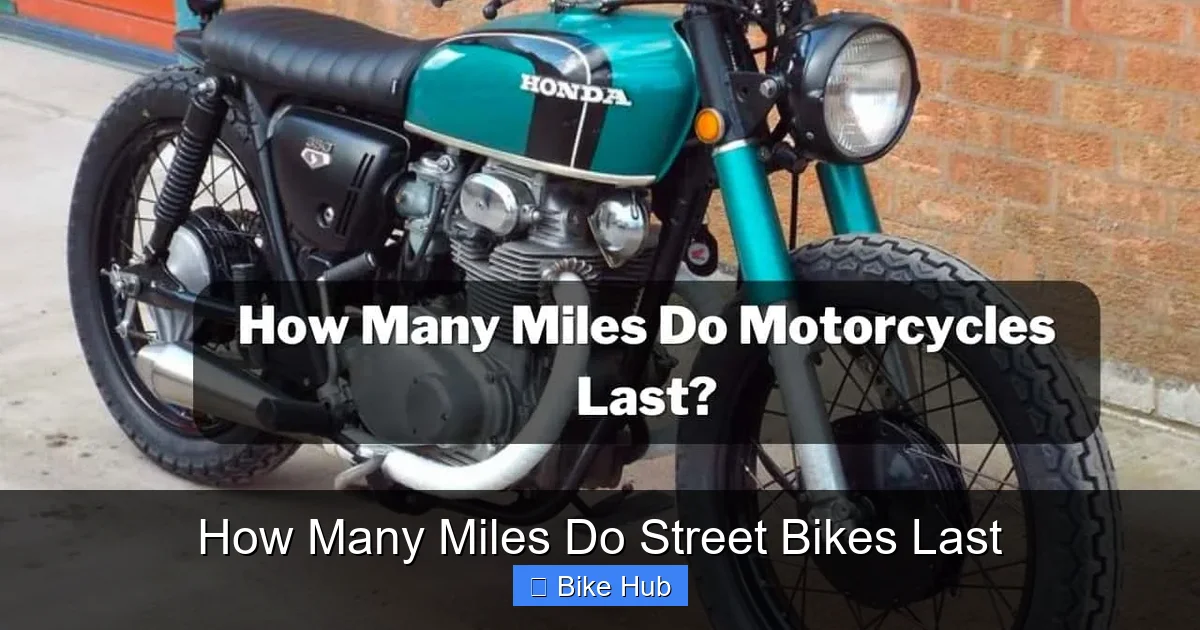
Visual guide about How Many Miles Do Street Bikes Last
Image source: motorcycleninja.com
Problem: Brakes Squeaking
Clean the rims and brake pads with rubbing alcohol. If that doesn’t work, the pads may be glazed—replace them.
Problem: Gears Not Shifting Smoothly
Check cable tension and derailleur alignment. A professional tune-up can often fix this quickly.
Problem: Rust on Chain or Bolts
Remove rust with a wire brush and apply lubricant. Prevent future rust by storing your bike indoors and drying it after wet rides.
Conclusion: Ride Long, Ride Smart
So, how many miles do street bikes last? The answer isn’t fixed—it’s in your hands. With regular maintenance, smart riding habits, and quality components, your bike can easily last 20,000 miles or more. Think of it like a long-term relationship: the more care you put in, the longer it lasts.
Remember, small actions add up. Cleaning your chain, checking tire pressure, and storing your bike properly might seem minor, but they make a huge difference over time. And when parts do wear out, replacing them early prevents bigger problems down the road.
Whether you’re commuting to work, training for a century ride, or just enjoying weekend spins, your street bike can be a reliable partner for years—if you treat it right. So grab your toolkit, give your bike some love, and keep rolling.



