
This guide helps you find legal and safe places to ride pocket bikes, from private tracks to designated parks. Learn where it’s allowed, what gear to wear, and how to stay safe while having fun.
[FEATURED_IMAGE_PLACEHOLER]
Key Takeaways
- Private racetracks are the safest option: Many motocross or karting tracks allow pocket bikes during special events or rentals.
- Check local laws first: Pocket bikes are illegal on public roads in most states—always verify regulations before riding.
- Use off-road trails with permission: Some private dirt trails or closed courses welcome small-engine bikes if you have landowner consent.
- Wear full protective gear: Helmets, gloves, and pads are essential—even on private property.
- Join a club or community: Enthusiast groups often organize group rides at approved locations.
- Avoid residential streets and sidewalks: These areas pose high risks and usually violate local ordinances.
- Consider weather and terrain: Dry, flat surfaces work best; avoid wet or uneven ground to prevent accidents.
Where to Ride Pocket Bikes: A Complete How-To Guide
Pocket bikes—those tiny, powerful machines that look like mini motorcycles—are a blast to ride. But before you fire up that engine and hit the throttle, it’s crucial to know where to ride pocket bikes legally and safely. Unlike regular bicycles or e-bikes, pocket bikes operate more like motorized vehicles and come with specific restrictions in most areas.
In this guide, you’ll learn exactly where you can ride your pocket bike without breaking the law or risking injury. We’ll cover private tracks, off-road options, safety gear essentials, and how to connect with other riders. Whether you’re a beginner or a seasoned pocket bike enthusiast, this guide will help you enjoy your ride responsibly.
Step 1: Understand Local Laws and Regulations
Visual guide about Where to Ride Pocket Bikes
Image source: gearachu.com
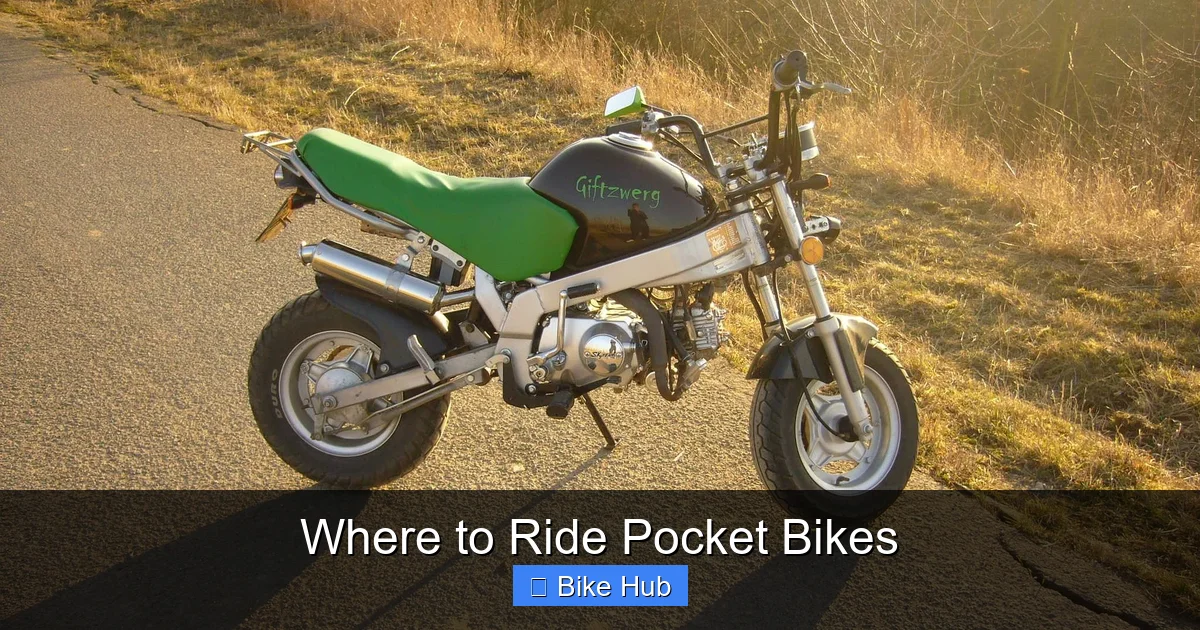
Before heading out, research your city, county, and state laws. In most U.S. states—and many countries—pocket bikes are classified as motorized vehicles and are not street-legal. That means you cannot ride them on public roads, sidewalks, or bike lanes.
Check Your State’s DMV or Transportation Website
Most states clearly define what constitutes a legal motor vehicle. Pocket bikes often fall under “off-road only” categories due to their size, lack of lights, and absence of required safety features like turn signals or mirrors.
Look Into Local Ordinances
Some cities have additional rules. For example, even if your state allows limited use, your town might ban all motorized mini-bikes in parks or residential zones. A quick call to your local police non-emergency line can clarify gray areas.
> 💡 Pro Tip: Keep a printed copy of your local regulations in your gear bag. It helps if you’re ever questioned by authorities.
Step 2: Find a Private Racetrack or Karting Facility
Visual guide about Where to Ride Pocket Bikes
Image source: my80bikes.com
The most reliable and safest place to ride pocket bikes is a private racetrack designed for small-engine vehicles.
Search for Motocross or Mini Bike Tracks
Many motocross tracks host “mini bike days” or rent out time slots for pocket bike riders. These facilities are built for speed, control, and safety—with proper barriers, runoff areas, and emergency support.
Contact Local Karting Clubs
Kart tracks often welcome pocket bikes because they share similar dimensions and speeds. Call ahead or check their event calendar. Some clubs even offer memberships that include track access.
> 📍 Example: Tracks like “Speedway Mini Bike Park” in California or “Mini GP Circuit” in Texas regularly host pocket bike events.
Book Private Track Time
If no scheduled events are available, some tracks allow private bookings. This is ideal for families or small groups who want exclusive use. Expect to pay $50–$150 per hour, depending on location.
Step 3: Explore Off-Road and Private Property Options
If you don’t live near a track, don’t worry—there are still legal ways to ride.
Ride on Private Land (With Permission)
If you own land or have a friend/family member with acreage, you can set up a makeshift track. Just make sure the terrain is flat, dry, and free of rocks or holes. Always get written permission if it’s not your property.
Use Designated Off-Road Parks
Some states have off-highway vehicle (OHV) parks that permit mini bikes. These parks often have marked trails, rest areas, and rules posted at the entrance. Examples include:
- Oceano Dunes OHV Area (California)
- Hollister Hills SVRA (California)
- Red River OHV Park (Texas)
> ⚠️ Warning: Never ride on public hiking or mountain biking trails. Pocket bikes damage ecosystems and disturb wildlife—and you could face heavy fines.
Step 4: Join a Pocket Bike Community or Club
Connecting with other riders opens doors to exclusive riding spots and events.
Search Online Forums and Social Media Groups
Platforms like Facebook, Reddit (r/minibikes), and specialized forums list local meetups. Members often share track days, private property access, and safety tips.
Attend Organized Rallies or Meets
Events like the “National Mini Bike Rally” or regional gatherings bring together hundreds of riders. These are great for learning, racing, and discovering new riding locations.
> 🔗 Related: If you’re teaching a kid to ride, check out our guide on how to teach kids to ride a BMX bike—many principles apply to pocket bikes too.
Step 5: Gear Up for Safety
Even on private property, accidents happen. Proper gear is non-negotiable.
Wear a DOT-Approved Helmet
Your helmet should fit snugly and meet U.S. Department of Transportation standards. Full-face helmets offer the best protection.
> 🔗 Related: Learn how to stay cool and safe with our tips on how to ride with a helmet in hot weather.
Use Protective Clothing
Wear long sleeves, pants, gloves, and closed-toe shoes. Consider motorcycle-grade armor for elbows, knees, and back.
Use Reflective Gear in Low Light
If riding near dusk or in shaded areas, add reflective strips to your clothing and bike.
> 🔗 Related: See our guide on how to ride with reflective clothing for visibility best practices.
Troubleshooting Common Issues
“No Tracks Near Me—What Now?”
Try reaching out to local motorcycle or ATV clubs. They may know of private landowners who allow mini bike use. Alternatively, consider traveling to a nearby state with more lenient rules.
“My Pocket Bike Keeps Overheating on Long Rides”
Pocket bikes aren’t built for endurance. Limit sessions to 20–30 minutes and let the engine cool between runs. Check oil levels and air filters regularly.
“Can I Ride in My Apartment Complex or Parking Lot?”
Generally, no—especially if it’s shared or public space. Even empty parking lots may be considered private property with trespassing risks. Always ask management first.
Final Tips for Responsible Riding
- Never ride alone: Have a buddy or spotter, especially if you’re new.
- Inspect your bike before each ride: Check tires, brakes, throttle, and fuel lines.
- Respect noise ordinances: Pocket bikes can be loud—avoid early morning or late-night rides on private property.
- Keep it fun, not reckless: Speed is exciting, but control keeps you safe.
Conclusion
Finding where to ride pocket bikes doesn’t have to be frustrating—if you know where to look. Private tracks, OHV parks, and permitted private land offer the best legal and safe environments. Always prioritize safety gear, follow local laws, and connect with the riding community for the best experience.
Remember: just because you *can* ride somewhere doesn’t mean you *should*. Choose locations that protect you, others, and the environment. With the right preparation, your pocket bike adventures can be thrilling, legal, and injury-free.
Now grab your helmet, fire up that engine, and ride smart!



