
If you’re 5’8″ tall, choosing the right bike size is crucial for comfort, control, and performance. This guide walks you through frame sizing charts, test rides, and key adjustments to ensure your bike fits like a glove—whether you’re commuting, trail riding, or hitting the pavement.
Key Takeaways
- Frame size matters most: For a 5’8″ man, most adult bikes recommend a 17″ to 19″ frame, but exact sizing depends on bike type and brand.
- Standover height is critical: You should have 1–3 inches of clearance between your inseam and the top tube when standing over the bike.
- Test rides are essential: Always try before you buy—comfort and handling can vary even within the same frame size.
- Adjustments improve fit: Handlebar height, saddle position, and stem length can fine-tune your ride for better ergonomics.
- Different bikes, different fits: Road, mountain, and hybrid bikes use slightly different sizing standards—don’t assume one size fits all.
- Professional fitting helps: A bike shop fitting ensures optimal performance and prevents injury over long rides.
- Don’t ignore reach and stack: These measurements affect how stretched out or upright you feel on the bike.
What Size Bike for 5 8 Man? A Complete Guide to Finding the Perfect Fit
If you’re a 5’8″ man looking to buy a bike, you’re in a great height range—most adult bikes are designed with riders like you in mind. But “one size fits all” doesn’t apply here. Getting the right bike size isn’t just about comfort; it affects your safety, efficiency, and enjoyment on every ride. Whether you’re cruising city streets, tackling mountain trails, or training for a century ride, this guide will help you find the ideal bike size for your height.
In this article, we’ll break down how to determine the correct frame size, explain key fit measurements, and share practical tips to ensure your bike feels natural from the first pedal stroke. We’ll also cover common mistakes to avoid and how to fine-tune your setup for maximum performance.
Step 1: Understand Bike Frame Sizing Basics
Bike frames are measured in inches or centimeters, typically referring to the length of the seat tube—from the center of the bottom bracket to the top of the tube. For a 5’8″ man, the general recommendation is a frame size between 17 and 19 inches, but this can vary based on the type of bike and your body proportions.
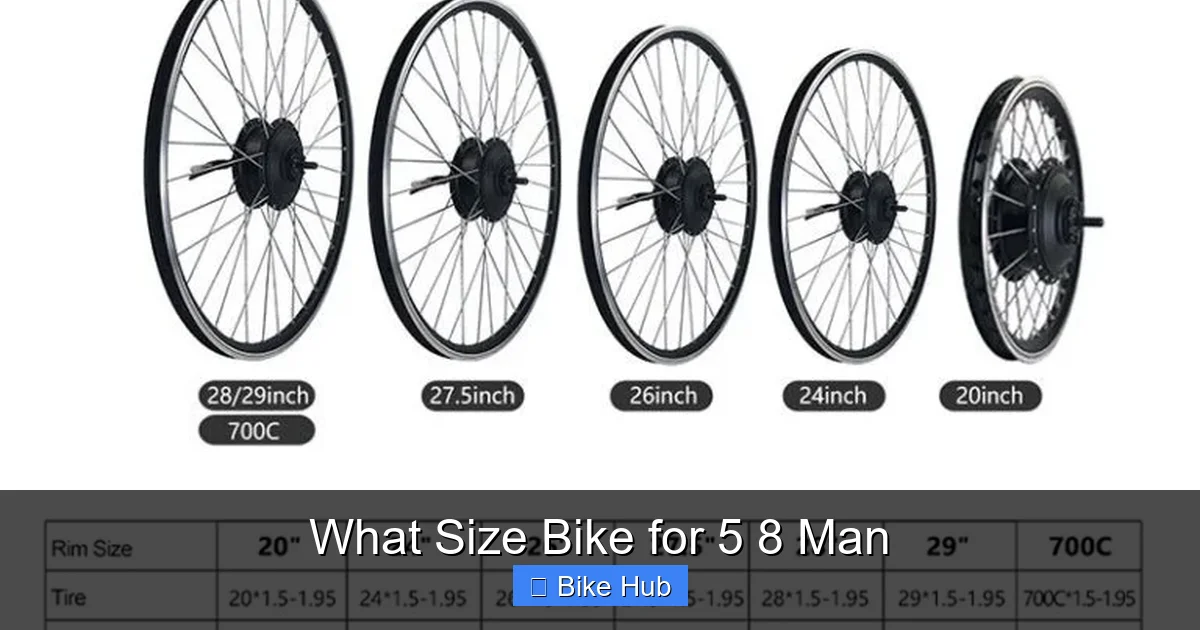
Visual guide about What Size Bike for 5 8 Man
Image source: bikedenver.org
How Frame Size Is Measured
Most manufacturers use one of two methods: center-to-top (CTT) or center-to-center (CTC). CTT measures from the bottom bracket to the top of the seat tube, while CTC measures to the midpoint. Always check the brand’s sizing chart, as standards differ.
Why 5’8″ Riders Have Options
At 5’8″, you’re near the sweet spot for many bike geometries. You’re tall enough to handle larger frames but not so tall that you need custom builds. This gives you flexibility across road, mountain, and hybrid categories.
Step 2: Use a Bike Size Chart
The fastest way to narrow down your options is to consult a size chart. Here’s a general breakdown by bike type for a 5’8″ rider:
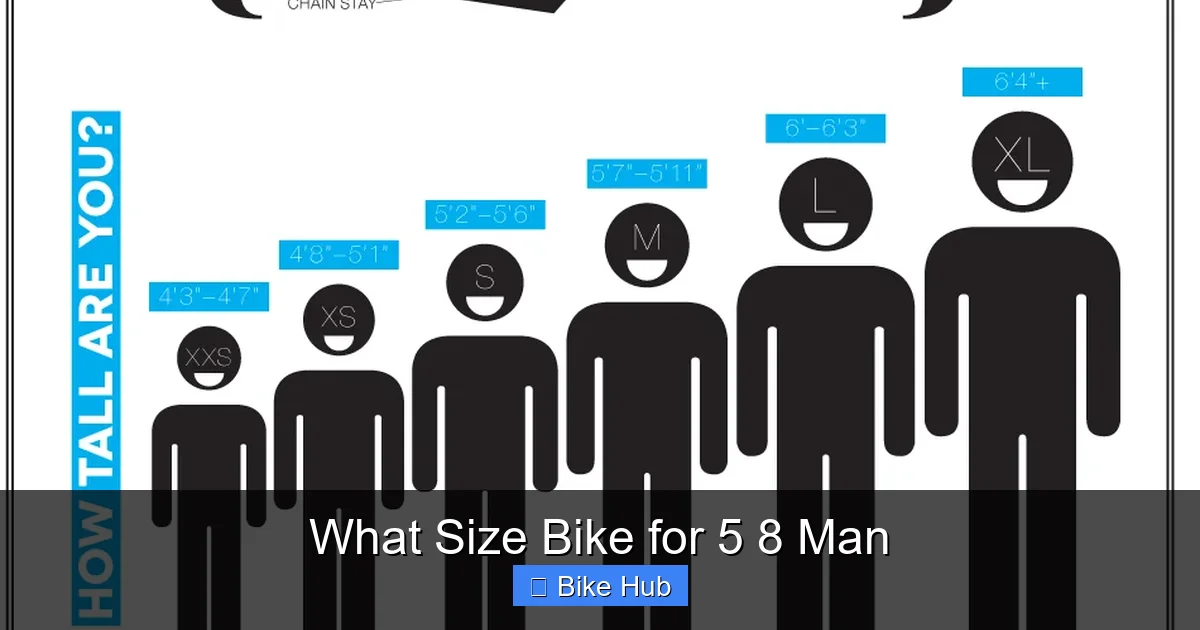
Visual guide about What Size Bike for 5 8 Man
Image source: i.pinimg.com
- Road Bikes: 54–56 cm (equivalent to ~17–18 inches)
- Mountain Bikes: 17–18 inches (Medium to Large)
- Hybrid Bikes: 17–19 inches (Medium to Large)
- Electric Bikes: 17–18 inches (varies by model)
Keep in mind that brands like Trek, Specialized, and Giant may label sizes differently. Always refer to the specific brand’s chart. For example, a “Medium” on one brand might be a “Large” on another.
Example: Road Bike Sizing
If you’re considering a road bike, a 54 cm or 56 cm frame is typically ideal for 5’8″. A 54 cm offers a more upright, comfortable position, while a 56 cm gives a slightly stretched, aerodynamic stance. If you have longer legs or a shorter torso, lean toward the larger size.
Example: Mountain Bike Sizing
For mountain biking, a 17″ or 18″ frame is standard. A 17″ frame suits riders who prefer agility and quick handling, while an 18″ offers more stability on rough terrain. If you’re between sizes, consider your riding style—technical trails favor smaller frames; long-distance rides benefit from larger ones.
Step 3: Measure Your Inseam for Standover Height
Even with the right frame size, you need enough clearance when standing over the bike. This is called standover height—the distance between your inseam and the top tube.
How to Measure Standover Height
- Stand barefoot against a wall.
- Place a book between your legs, spine up, as if it were a bike top tube.
- Measure from the floor to the top of the book—this is your inseam.
- Compare this to the bike’s standover height (found in specs).
For a 5’8″ man, aim for 1–3 inches of clearance. Less than 1 inch risks injury in a fall; more than 3 inches may mean the frame is too small.
Pro Tip: Try the Standover Test
When test riding, stand over the bike with both feet flat. You should be able to lift the front wheel slightly without feeling cramped. If your crotch touches the top tube, the bike is too big.
Step 4: Test Ride Before You Buy
Numbers on a chart are helpful, but nothing beats a real-world test. Visit a local bike shop and try multiple sizes and models.
What to Look for During a Test Ride
- Comfort: Can you sit upright without straining your back or neck?
- Reach: Are your arms comfortably extended to the handlebars, or are you stretched too far?
- Saddle Position: Can you pedal smoothly without rocking your hips?
- Handling: Does the bike feel stable at speed and responsive in turns?
If a bike feels “off,” it probably is. Don’t settle—your body will thank you on long rides.
Ask for a Professional Fit
Many shops offer free or low-cost fitting services. A trained technician will assess your posture, flexibility, and riding goals to recommend the best size and adjustments. This is especially helpful if you plan to ride frequently or tackle challenging terrain.
Step 5: Adjust for a Custom Fit
Even the right frame size may need tweaks. Small changes can make a big difference in comfort and performance.
Saddle Height and Position
Your saddle should be high enough that your leg is nearly straight at the bottom of the pedal stroke (with a slight bend). Slide it forward or back to fine-tune knee alignment over the pedal.
Handlebar Height and Reach
If you feel too hunched over, raise the handlebars or use a shorter stem. For a more aggressive position, lower them slightly. Most bikes allow some adjustment via spacers or stem angle.
Pedal and Cleat Alignment
Proper foot placement prevents knee pain. If you use clipless pedals, ensure your cleats are positioned so your foot rolls naturally. For flat pedals, choose ones with good grip and platform size—check out our guide on the best pedals for bike touring for recommendations.
Step 6: Consider Bike Type and Riding Style
Your ideal size also depends on how you plan to use the bike.
Commuting and City Riding
For daily commutes, a hybrid or city bike with an upright position is ideal. A 17″ to 18″ frame offers comfort and control in traffic. Look for models with fenders, racks, and lights—like those in our best road bike for commuting guide.
Mountain Biking
Trail and cross-country riders should prioritize maneuverability. A 17″ frame is often better for technical trails, while an 18″ suits longer, faster rides. If you’re new to mountain biking, consider the best budget mountain bike for beginners to start.
Road and Endurance Riding
Road bikes favor aerodynamics and efficiency. A 54–56 cm frame is standard, but endurance models offer a more relaxed geometry. Pair it with tires that balance speed and comfort—see our roundup of the best bike tires for speed and comfort.
Troubleshooting Common Fit Issues
Even with the right size, you might encounter discomfort. Here’s how to fix common problems:
Neck or Shoulder Pain
This usually means you’re reaching too far. Try a shorter stem or raising the handlebars. Stretching before rides can also help.
Knee Pain
Often caused by incorrect saddle height or position. Adjust the saddle so your knee is slightly bent at the bottom of the pedal stroke.
Lower Back Pain
Too much reach or a saddle too far back can strain your back. Move the saddle forward or lower the handlebars slightly.
Numb Hands or Feet
Poor weight distribution or tight shoes can cause numbness. Ensure your saddle supports most of your weight, and check shoe fit and pedal grip.
Final Tips for 5’8″ Riders
- Don’t rush: Take time to test multiple bikes and sizes.
- Check return policies: Some online retailers offer at-home trials.
- Upgrade over time: Start with a good frame, then improve components as needed.
- Maintain your bike: Regular tune-ups keep your ride smooth and safe.
Conclusion
Finding the right bike size for a 5’8″ man doesn’t have to be confusing. With a frame size of 17″ to 19″, a proper standover clearance, and the right adjustments, you can enjoy a comfortable, efficient, and safe ride. Remember, the best bike is the one that fits you—not just your height, but your body, riding style, and goals.
Use this guide as your roadmap, test ride whenever possible, and don’t hesitate to seek professional help. Whether you’re commuting, exploring trails, or chasing speed, the perfect bike is out there—waiting for you to pedal away.



