
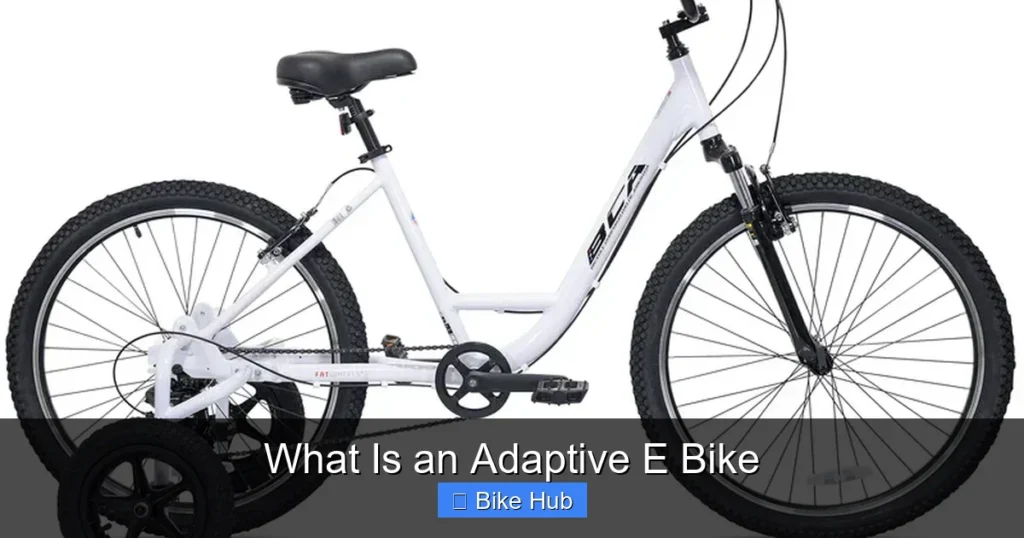
An adaptive e bike is an electric bicycle designed for riders with disabilities or mobility challenges. These bikes offer customizable features like step-through frames, hand throttles, and supportive seating to make cycling accessible and enjoyable for everyone.
Key Takeaways
- Adaptive e bikes are inclusive: They’re built to support riders with physical limitations, injuries, or balance issues.
- They use electric assist: A motor provides pedal assistance or full throttle control, reducing physical strain.
- Customizable designs vary: Options include recumbent, trike, tandem, and hand-powered models.
- Legal and safe to ride: Most adaptive e bikes meet standard e bike regulations and can be used on bike paths.
- Improve quality of life: They promote independence, fitness, and outdoor recreation for all abilities.
- Choose based on needs: Consider terrain, mobility level, and desired features when selecting a model.
- Maintenance matters: Regular checks on batteries, brakes, and adaptive components ensure safe, reliable rides.
What Is an Adaptive E Bike?
An adaptive e bike is an electric bicycle specifically engineered to accommodate riders with disabilities, injuries, or limited mobility. Unlike standard e bikes, these models come with specialized features—such as step-through frames, supportive seating, hand controls, or three-wheel stability—that make cycling accessible and safe for people who might otherwise find traditional biking difficult or impossible.
These bikes combine the benefits of electric assist technology with inclusive design. The motor helps reduce physical effort, whether through pedal assist or throttle control, allowing riders to travel farther, tackle hills, and enjoy outdoor adventures without overexertion. Whether you’re recovering from an injury, living with a chronic condition, or simply need extra support, an adaptive e bike can open up new possibilities for mobility and recreation.
Who Can Benefit from an Adaptive E Bike?
Adaptive e bikes are not just for people with permanent disabilities. They serve a wide range of riders, including:
- Seniors who want to stay active but struggle with balance or joint pain
- Individuals with mobility impairments, such as those using wheelchairs or walkers
- People recovering from surgery or injury who need low-impact exercise
- Riders with neurological conditions, like Parkinson’s or multiple sclerosis
- Those with chronic pain or fatigue, including fibromyalgia or long COVID
Even if you don’t have a diagnosed condition, an adaptive e bike can be a great option if you’re looking for a more comfortable, stable, or easier-to-use ride. For example, older adults often appreciate the extra support and confidence that comes with a step-through frame or three-wheel design.
Types of Adaptive E Bikes
There are several types of adaptive e bikes, each designed to meet different needs. Understanding the options will help you choose the right one.
Recumbent Adaptive E Bikes
These bikes feature a reclined seating position with back support, reducing strain on the back, neck, and wrists. They’re ideal for riders with spinal issues or balance concerns. Many models include hand cranks or dual controls, allowing someone else to assist with pedaling if needed. For more on recumbent options, check out our guide on the best recumbent bike for home gym.
Three-Wheel (Trike) E Bikes
With two wheels in the back and one in front (or vice versa), trikes offer excellent stability. They’re perfect for riders who have trouble balancing on two wheels. Some models come with baskets or cargo space, making them great for errands or leisurely rides.
Tandem Adaptive E Bikes
Tandem e bikes allow two riders to pedal together. One rider can provide power while the other steers or simply enjoys the ride. These are popular among caregivers and riders who need assistance but still want to participate.
Hand-Powered E Bikes
Designed for riders who cannot use their legs, these bikes are powered entirely by hand cranks. Electric assist helps reduce fatigue, making longer rides possible. They’re often used by individuals with paraplegia or lower limb amputations.
Step-Through and Low-Step Frames
These frames make it easy to mount and dismount, especially for riders with limited leg mobility or flexibility. They’re a common feature in many adaptive models and are also great for casual riders. Learn more about frame styles in our best recumbent bike with step-through frame article.
Key Features of Adaptive E Bikes
When shopping for an adaptive e bike, look for these important features:
- Electric motor and battery: Provides pedal assist or throttle control. Most offer 20–50 miles per charge.
- Adjustable seating: Padded, reclined, or supportive seats that can be customized for comfort.
- Hand controls: Throttle, brakes, and gears operated by hand for riders with limited leg use.
- Stability enhancements: Wider tires, lower center of gravity, or three-wheel designs.
- Easy mounting: Step-through frames, ramps, or swivel seats to simplify getting on and off.
- Cargo capacity: Baskets, racks, or bags for carrying personal items or groceries.
Many adaptive e bikes also include safety features like lights, horns, and reflective materials. Some even integrate with smartphone apps for ride tracking or navigation.
How to Choose the Right Adaptive E Bike
Picking the right model depends on your specific needs, abilities, and lifestyle. Here’s a step-by-step guide to help you decide.
Step 1: Assess Your Mobility Needs
Ask yourself:
- Can I balance on two wheels?
- Do I have use of my legs or arms?
- Do I need back or neck support?
- Will I ride alone or with assistance?
Your answers will guide you toward the right type—whether it’s a trike, recumbent, or hand-powered model.
Step 2: Consider Your Riding Environment
Think about where you’ll ride most often:
- City streets: Look for lightweight models with good maneuverability.
- Hilly terrain: Choose a bike with a powerful motor and strong battery. For tips, see our guide on the best e bike for hilly terrain.
- Paved paths or trails: Wider tires and suspension can improve comfort.
Step 3: Test Ride When Possible
If you can, visit a local bike shop or adaptive cycling center to try different models. Pay attention to comfort, ease of use, and how the bike handles. Even a short test ride can reveal a lot.
Step 4: Check for Customization Options
Some manufacturers offer custom builds or add-ons, such as:
- Swivel seats for easier access
- Adjustable handlebars or cranks
- Specialized footrests or leg supports
These can make a big difference in usability.
Step 5: Review Warranty and Support
Adaptive e bikes can be a significant investment. Look for brands that offer strong warranties, accessible customer service, and local repair options.
Maintenance and Safety Tips
Keeping your adaptive e bike in good condition is essential for safety and performance.
- Charge the battery regularly: Avoid letting it drain completely. Store it in a cool, dry place.
- Check tire pressure: Proper inflation improves ride quality and prevents flats. Use a reliable gauge or pump—consider an electric bike pump for convenience.
- Inspect brakes and adaptive components: Ensure hand brakes, throttles, and seating mechanisms are working smoothly.
- Lubricate moving parts: Apply bike-specific lubricant to chains and gears as needed. Store lubricant properly using tips from our bike lubricant storage guide.
- Clean regularly: Wipe down the frame, especially after rainy rides, to prevent rust and wear.
Always wear a helmet, even if your bike is slow-moving. For guidance on helmet care, see our article on how to dispose of an old bike helmet safely.
Troubleshooting Common Issues
Even the best adaptive e bikes can have occasional problems. Here’s how to handle a few common ones:
- Battery not charging: Check the charger, outlet, and battery connections. If the battery is old, it may need replacement.
- Motor cuts out: This could be due to overheating, low battery, or a loose wire. Let the bike cool down and inspect connections.
- Uncomfortable seating: Adjust the seat angle, height, or padding. Consider adding a gel cover for extra comfort.
- Difficulty mounting: Practice in a safe area. Some riders benefit from a ramp or assistance from a caregiver.
If issues persist, contact the manufacturer or a local adaptive cycling specialist.
Conclusion
An adaptive e bike is more than just a vehicle—it’s a tool for independence, health, and joy. By combining electric power with inclusive design, these bikes empower people of all abilities to enjoy the freedom of cycling. Whether you’re navigating city streets, exploring nature trails, or simply getting from point A to point B, there’s an adaptive e bike that can meet your needs.
Take the time to research, test ride, and choose a model that fits your lifestyle. With the right bike, regular maintenance, and a bit of practice, you’ll be riding with confidence in no time.



