

Recumbent bikes can be excellent for people with sciatica because they offer low-impact exercise and support your back and hips. This guide shows you how to use one safely to ease pain, improve circulation, and strengthen core muscles without aggravating your condition.
Key Takeaways
- Low-impact exercise: Recumbent bikes reduce pressure on the spine and sciatic nerve, making them ideal for sciatica sufferers.
- Proper posture matters: Sitting in a reclined position with back support helps maintain spinal alignment and reduces nerve irritation.
- Start slow and steady: Begin with short, gentle sessions and gradually increase duration and resistance to avoid flare-ups.
- Warm-up is essential: Always warm up before riding to prepare your muscles and prevent strain—check out our guide on how to warm up before using a recumbent bike.
- Choose the right bike: Look for adjustable seats, lumbar support, and quiet operation—see our pick for the best recumbent bike with quiet operation.
- Combine with stretching: Pair cycling with sciatica-friendly stretches for better pain relief and flexibility.
- Consult your doctor first: Always get medical clearance before starting any new exercise routine, especially with chronic pain.
Is a Recumbent Bike Good for Sciatica? A Complete How-To Guide
If you’re dealing with sciatica—the sharp, shooting pain that runs from your lower back down your leg—you know how hard it can be to stay active. But staying mobile is one of the best things you can do to manage and even reduce sciatic pain. That’s where a recumbent bike comes in.
In this guide, you’ll learn whether a recumbent bike is good for sciatica, how to use it safely, and what features to look for. We’ll walk you through setup, riding techniques, and tips to avoid aggravating your condition. Whether you’re recovering from a flare-up or managing chronic pain, this guide will help you ride smarter and feel better.
Why Recumbent Bikes Are Great for Sciatica

Visual guide about Is a Recumbent Bike Good for Sciatica
Image source: i.pinimg.com
Sciatica happens when the sciatic nerve gets compressed or irritated—often due to a herniated disc, spinal stenosis, or muscle tightness. High-impact activities like running or jumping can make it worse. But low-impact exercise, like cycling, can actually help by improving blood flow, reducing inflammation, and strengthening supporting muscles.
Recumbent bikes are especially helpful because:
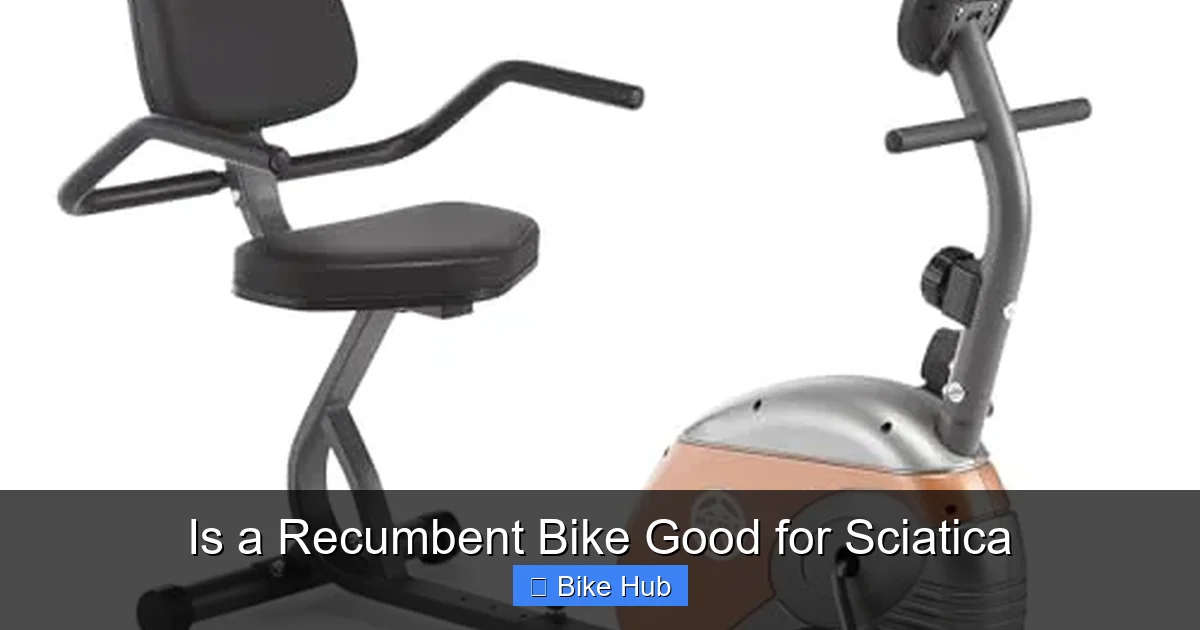
- They support your back: The reclined seat with a backrest keeps your spine in a neutral position, reducing pressure on the lower back.
- They reduce nerve compression: Unlike upright bikes, recumbent bikes don’t force you to lean forward, which can pinch the sciatic nerve.
- They’re gentle on joints: The seated position minimizes impact on hips, knees, and ankles.
- They allow longer workouts: Comfortable seating means you can ride longer without pain, boosting circulation and healing.
Many physical therapists recommend recumbent bikes as part of a sciatica recovery plan. But the key is using it correctly.
How to Use a Recumbent Bike Safely with Sciatica
Visual guide about Is a Recumbent Bike Good for Sciatica
Image source: m.media-amazon.com
Using a recumbent bike the right way can ease pain. Using it wrong can make things worse. Follow these steps to get the most benefit.
Step 1: Get Medical Clearance
Before starting any exercise program, talk to your doctor or physical therapist—especially if you’re in acute pain or have a recent injury. They can confirm whether cycling is safe for your specific condition and may suggest modifications.
Step 2: Choose the Right Recumbent Bike
Not all recumbent bikes are created equal. Look for these features:
- Adjustable seat and backrest: Ensures proper alignment and comfort.
- Lumbar support: Helps maintain the natural curve of your lower spine.
- Step-through design: Makes it easier to get on and off, especially if you have limited mobility. See our guide to the best recumbent bike with step-through frame.
- Quiet operation: Reduces distractions and lets you focus on your form.
- Padded seat: Prevents pressure points on your tailbone and hips.
If you’re using the bike at home, consider space and storage. Check out how to store a recumbent bike to keep it safe and out of the way.
Step 3: Set Up the Bike Correctly
Proper setup is crucial to avoid strain.
- Seat distance: Adjust so your knee has a slight bend (about 25–30 degrees) at the bottom of the pedal stroke. Too far forward or back can stress your hips or lower back.
- Backrest angle: Recline just enough to support your lower back without flattening your spine. Aim for 100–110 degrees from the seat base.
- Handlebar position: Should be within easy reach—no stretching or hunching.
Take time to fine-tune these settings. A comfortable position means you’re more likely to stick with your routine.
Step 4: Warm Up Before Riding
Never jump straight into a workout. Warming up increases blood flow and prepares your muscles.
Try this 5-minute warm-up:
- March in place for 2 minutes.
- Do gentle pelvic tilts while lying on your back.
- Stretch your hamstrings and glutes with seated forward folds.
For a full routine, visit our guide on how to warm up before using a recumbent bike.
Step 5: Start with Short, Easy Rides
Begin with 5–10 minutes at a low resistance. Focus on smooth, steady pedaling—no sudden bursts.
Aim for:
- Duration: Start with 5–15 minutes, 2–3 times per week.
- Resistance: Keep it light. You should be able to talk comfortably while riding.
- Cadence: Aim for 60–80 revolutions per minute (RPM).
Gradually increase time and resistance as your body adapts—usually over 2–4 weeks.
Step 6: Maintain Good Form While Riding
Even on a recumbent bike, posture matters.
- Keep your shoulders relaxed and down.
- Avoid locking your elbows.
- Engage your core lightly—don’t slump or arch your back.
- Pedal smoothly, using your whole foot—not just your toes.
If you feel pain in your lower back or leg, stop immediately. Adjust your seat or reduce resistance.
Step 7: Cool Down and Stretch
After your ride, spend 5 minutes pedaling slowly to bring your heart rate down. Then stretch:
- Hamstring stretch: Sit on the edge of the seat and extend one leg. Lean forward gently.
- Piriformis stretch: Lie on your back, cross one ankle over the opposite knee, and pull the bottom leg toward your chest.
- Child’s pose: Kneel and sit back on your heels, stretching your arms forward.
These stretches help release tension that can irritate the sciatic nerve.
Troubleshooting Common Issues
Even with the best setup, you might run into problems. Here’s how to fix them.
Pain During or After Riding
If you feel pain:
- Stop riding and rest.
- Check your seat position—too far forward can strain your lower back.
- Reduce resistance and duration.
- Apply ice to the affected area for 15 minutes.
If pain persists for more than 24 hours, consult your doctor.
Numbness or Tingling in Legs
This could mean nerve irritation. Try:
- Adjusting the backrest to reduce spinal flexion.
- Taking more frequent breaks.
- Switching to a bike with better lumbar support.
Avoid riding through numbness—it can worsen nerve damage.
Boredom or Lack of Motivation
Make your rides more enjoyable:
- Listen to music, podcasts, or audiobooks.
- Watch TV or a movie—many recumbent bikes have tablet holders.
- Try interval training: alternate 2 minutes easy with 1 minute moderate.
For ideas, see how to add entertainment features to recumbent bike.
How Often Should You Ride?
Consistency is more important than intensity. Aim for:
- 3–5 sessions per week
- 15–30 minutes per session
- Low to moderate resistance
Over time, you can increase duration and add light resistance to build endurance. But always listen to your body.
Other Tips for Managing Sciatica
While cycling helps, it’s just one part of a complete plan.
- Stay active: Walk, swim, or do yoga on non-cycling days.
- Strengthen your core: Strong abs and back muscles support your spine.
- Maintain a healthy weight: Extra weight increases pressure on the spine.
- Use proper lifting techniques: Bend at the knees, not the waist.
- Sleep on a supportive mattress: Side sleepers can place a pillow between their knees.
Combining these habits with regular recumbent bike use can significantly reduce sciatica symptoms.
Conclusion
So, is a recumbent bike good for sciatica? Yes—when used correctly. It offers a safe, effective way to stay active, reduce pain, and improve mobility. The key is proper setup, gentle progression, and listening to your body.
Start slow, warm up, and choose a bike that fits your needs. With consistency and care, you can turn cycling into a powerful tool for managing sciatica and reclaiming your active lifestyle.



