

Have you ever wondered if your bike helmet is still providing the protection you need? It might be time to take a closer look.
Knowing how long a bike helmet lasts is crucial for your safety on the road or trail. While helmets are designed to shield you from impact, they don’t last forever. Each ride, each drop, and even the passage of time can wear down their protective capabilities.
You’ll discover the signs that it might be time for a replacement and learn how to ensure your helmet is always up to the task. Protecting your head is paramount, and understanding the lifespan of your helmet can be the difference between a safe ride and a perilous one. Keep reading to find out how you can ride with confidence and peace of mind.

Credit: bobbinbikes.com
Helmet Lifespan Basics
Bicycle helmets are made to protect your head. Over time, they become less safe. Most experts say to replace your helmet every five years. Sun, sweat, and weather can break down the materials.
Even if a helmet looks fine, it might not be strong enough anymore. If a helmet gets hit or falls, it might crack. A cracked helmet needs replacing right away. Helmets keep us safe, but they don’t last forever.
Always check your helmet for damage. Look for cracks, dents, or loose parts. These signs mean it might not protect you well. If unsure, ask a store worker or expert for help. Safety is the most important thing.
Factors Affecting Helmet Durability
The material quality of a helmet matters a lot. Helmets made from strong materials last longer. Cheap helmets may not protect well. Always check the helmet’s label. Look for certified safety marks. These marks ensure better quality.
How often you wear your helmet affects its lifespan. Daily use wears out a helmet faster. Less frequent use keeps it in better shape. Always inspect for wear and tear. Replace if you see cracks or damage. Safety comes first.
Helmets exposed to sun and rain may degrade faster. UV rays weaken materials over time. Rain can cause rust on metal parts. Store your helmet in a cool, dry place. This helps it last longer.
Signs Of Wear And Tear
Cracks or dents can be seen on the helmet surface. These signs mean the helmet is unsafe. Even small cracks can affect safety. Color fading is another sign. Faded colors may mean the helmet is old. Old helmets may not protect well.
Helmet straps must be strong. Loose straps can mean trouble. Check for frayed edges. Frayed edges are a sign of age. Broken buckles are also bad. A helmet with broken buckles is unreliable. It might come off in an accident.
Padding inside the helmet must be soft. Hard padding means less comfort. Check for missing pieces. Missing padding can make the helmet unsafe. Worn out pads can hurt your head. Fresh padding keeps the helmet snug and safe.
Testing Helmet Safety
Bike helmets protect heads during falls. They must endure strong impacts. Impact resistance checks how helmets handle crashes. Good helmets absorb shock and stay intact. Tests simulate real-life accidents. Experts drop weights on helmets. They measure damage after impact. Helmets must pass these tests. They ensure safety for riders. Broken helmets can’t protect you.
Helmet safety has strict rules. Certification standards ensure helmets meet these rules. Organizations like CPSC and EN provide guidelines. Helmets must pass tests for certification. Certified helmets are safer. They offer better protection. Look for labels on helmets. Labels show they passed safety tests. Certified helmets give riders peace of mind.
Replacement Guidelines
Bike helmets protect your head. They don’t last forever. Replace every 3 to 5 years. Sunlight and sweat wear them out. Check for cracks or worn straps. These signs mean it’s time to buy a new one. Helmets keep you safe. Always use a good helmet.
Replace your helmet after any accident. Helmets absorb impacts. Even if it looks fine, it may not protect you anymore. Safety comes first. A broken helmet won’t work. Always check your helmet after a fall. A new helmet keeps you safe.
Maintenance Tips
Bike helmets generally last about five years. Regularly inspect for cracks or damage. Replace immediately if involved in an accident. Store away from heat and direct sunlight to ensure longevity. Following these tips can help keep your helmet in good condition.
Cleaning And Storage
Always keep your bike helmet clean. Use a soft cloth with mild soap. Gently wipe the helmet to remove dirt and sweat. Never use harsh chemicals or scrub too hard. They can damage the helmet. Once clean, dry the helmet naturally. Store it in a cool, dry place. Avoid hot areas as heat can weaken the material. A closet or a shelf is a good choice. This keeps the helmet safe and prolongs its life.
Inspection Routine
Check your helmet regularly. Look for cracks or dents. These can make the helmet unsafe. Test the straps to ensure they are not worn out. They should be strong and secure. Examine the padding inside the helmet. It should be intact and comfortable. If any part is damaged, replace the helmet. Safety first!
Choosing A Durable Helmet
A helmet’s lifespan depends on its materials. Strong materials protect your head better. Polycarbonate and fiberglass are strong choices. They resist cracks and dents. Foam liners inside absorb shocks. High-quality foam lasts longer. Check for UV protection. Sun can weaken materials over time.
Lightweight materials are comfy. But they must still be strong. Consider balance of weight and strength. Good materials last about 5 years. Inspect your helmet often. Look for cracks or damage. Replace if you see problems.
Known brands often offer better quality. They test helmets for safety. Trustworthy brands have safety certifications. Look for CPSC or CE marks. These show the helmet meets standards. Read customer reviews online. People share experiences with brands.
A good brand offers warranty. This shows they trust their product. Sometimes, brands give free replacement. This is a sign of care for customers. Choose a brand with a good history. Your safety is important.
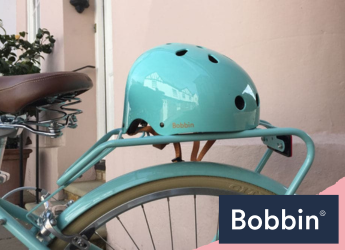
Credit: bobbinbikes.com

Credit: off.road.cc
Frequently Asked Questions
How Do You Tell If A Bike Helmet Is Expired?
Check the helmet’s manufacture date sticker inside. Helmets typically expire after 3 to 5 years. Inspect for cracks, faded color, or damaged parts. If any are present, replace the helmet for safety. Regularly updating your helmet ensures optimal protection during rides.
How Often Should A Bike Helmet Be Replaced?
Replace bike helmets every 3-5 years for optimal safety. Crashes, dents, or damage require immediate replacement. Regularly check for wear and tear. Sun exposure and sweat can degrade materials. Always prioritize your safety with a reliable helmet. Choose quality helmets from trusted brands for maximum protection.
Is A 10 Year Old Bicycle Helmet Still Good?
A 10-year-old bicycle helmet is likely not safe. Helmets degrade over time, losing protective capabilities. Replace it to ensure safety. Always check for cracks or damage before using any helmet. Safety standards evolve, so newer models offer better protection.
What Is The 5 Year Rule For Helmets?
The 5-year rule for helmets suggests replacing helmets every five years. Over time, materials degrade, affecting safety. Regular replacement ensures optimal protection during accidents. Always check for visible damage or wear, as this can necessitate earlier replacement. Proper helmet care extends its lifespan, but safety comes first.
Conclusion
A bike helmet’s lifespan depends on its use and care. Regularly check for cracks or damage. Replace it every five years, even without visible damage. Sun, sweat, and accidents can weaken it. A helmet protects your head, so don’t ignore replacement timelines.
New standards and materials improve safety. Stay updated with the latest guidelines. Always choose quality and comfort. Safety should be your top priority. Investing in a good helmet is wise. Your head deserves the best protection. Remember, a helmet is only effective if it’s in good condition.
Stay safe on every ride.



