
Are you tired of your road bike rides not feeling quite right? It might be time to check your tire pressure.
Getting your tire pressure just right can transform your cycling experience, making your rides smoother, faster, and more enjoyable. Imagine gliding effortlessly over pavement, all because your tires are perfectly inflated. Intrigued? You’re in the right place. In this guide, we’ll demystify the ideal tire pressure for your road bike.
We’ll show you how to adjust your tires for any condition, ensuring every ride is a great one. Ready to unlock your bike’s full potential? Let’s dive in!
The Importance Of Tire Pressure
Proper tire pressure is crucial for road bike performance. It ensures safety, reduces rolling resistance, and enhances ride comfort. Regular checks and adjustments can prevent flats and improve overall cycling efficiency.
Impact On Speed And Efficiency
Tire pressureaffects how fast you can go. With the right pressure, your bike moves smoothly. Too much or too little pressure slows you down. It can make pedaling harder. Proper pressure helps you use less energy. It makes biking more efficient.
Influence On Comfort And Handling
Correct tire pressure makes your ride comfortable. It reduces bumps and vibrations. Your bike handles better too. You can take turns easily. Low pressure makes the ride bumpy. High pressure feels harsh. Balanceis key for a smooth ride.
Effects On Tire Longevity
Right pressure extends tire life. It prevents wear and tear. Tires last longer when pressure is correct. Low pressure can damage tires. High pressure risks bursting. Keeping an eye on pressure saves tires. It saves money too.

Credit: superteamwheels.com
Factors Affecting Tire Pressure
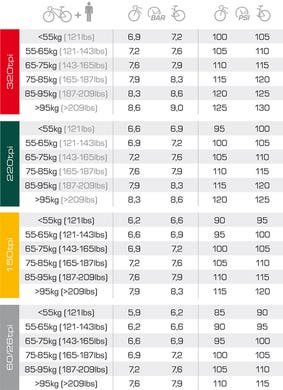
Road bike tire pressure depends on rider weight, tire width, and road conditions. Proper pressure ensures optimal performance and safety. Adjust pressure to match the terrain for a smoother ride.
Rider Weight Considerations
Rider weight plays a big role in tire pressure. Heavier riders need more pressure. This helps support their weight. Lighter riders can use less pressure. This gives them a smoother ride. Always check your bike’s manual. It can guide you on the right pressure.
Road Conditions And Terrain
Road type affects tire pressure too. Smooth roads need higher pressure. This reduces rolling resistance. Bumpy or gravel roads need lower pressure. It helps the tire grip the ground. Adjust pressure before every ride. This ensures safety and comfort.
Weather And Temperature Changes
Weather can change tire pressure. Hot weather increases tire pressure. Cold weather decreases it. Check tire pressure often. Especially during extreme temperatures. This keeps your ride safe and smooth.
How To Measure Tire Pressure
Checking your road bike tire pressure is essential for a smooth ride. Use a reliable pressure gauge for accurate readings. Ensure your tires are inflated to the recommended PSI for optimal performance.
Using A Tire Pressure Gauge
A tire pressure gauge is essential for accurate measurements. Press the gauge onto the tire valve. Read the numbers on the gauge. Always check the numbers twice. Ensure the gauge is working properly.Smartphone Apps And Digital Tools
Many apps help check tire pressure. They connect to smart devices. Use them for quick checks. Ensure the device is compatible. Follow instructions carefully. Digital tools often provide more details.Manual Techniques And Tips
Use your thumb to press the tire. It should feel firm, not soft. Listen for air leaks. If it hisses, it needs more air. Check tires regularly. Always have a spare gauge in your kit. `Setting The Right Tire Pressure
Road bike tires need the right pressure. Most tires need between 80 to 130 psi. Check your tire sidewall for the exact number. Lower pressure gives better grip. Higher pressure makes tires roll faster.
Everyone likes different pressures. Try different pressures to find your favorite. Lower pressure feels softer. Higher pressure feels harder. Choose what feels good for you.
- Don’t overinflate your tires. It can cause a flat.
- Underinflated tires slow you down.
- Check pressure before every ride.
- Use a pump with a gauge for accuracy.
Maintaining Optimal Tire Pressure
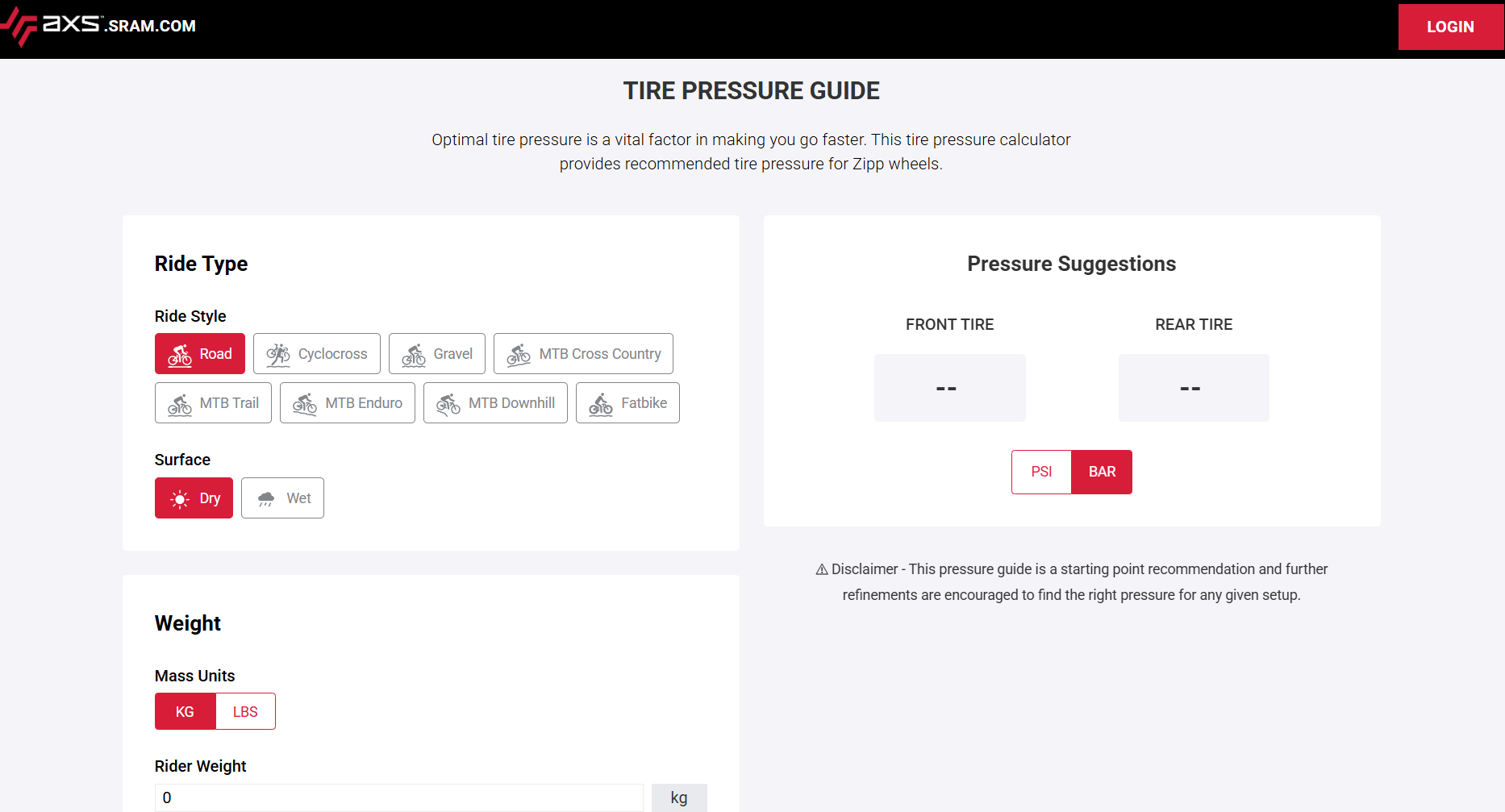
Keeping the right tire pressure keeps you safe. Check your tires often. Adjust when needed. Use a gauge to see the pressure. Compare it to the recommended pressure. Tire pressure changes with weather. Cold air lowers pressure. Warm air raises it. Make checking a habit. Better to check than guess.
Incorrect tire pressure can cause problems. Low pressure makes riding slow and hard. Tires can wear out quickly. High pressure makes the ride bumpy. Tires can burst if too high. Look for these signs. Adjust pressure to avoid issues.
- Tire pressure gauge:Shows the exact pressure.
- Air pump:Adds air to tires.
- Valve cap:Keeps air inside tires.
- Patch kit:Fixes small tire holes.
Credit: www.cyclingweekly.com
Benefits Of Proper Tire Pressure
Good tire pressure helps bikes go faster. It reduces rolling resistance. This means less effort is needed to pedal. With the right pressure, a bike moves smoothly. Riders feel less tired on long rides.
Correct tire pressure makes biking safer. It provides better grip on roads. Bikes stop quickly when needed. This helps prevent accidents. Riders can steer easily, even on sharp turns.
Proper pressure keeps tires strong for longer. Over-inflated tires wear out faster. Under-inflated tires can get damaged. Keeping the right pressure saves money. Tires last longer and need fewer replacements.

Credit: enve.com
Frequently Asked Questions
Is 100 Psi Too Much For A Road Bike?
100 PSI is often suitable for road bikes, especially for smooth surfaces. Check your tire’s sidewall for recommended pressure. Adjust according to rider weight, road conditions, and personal comfort preferences. Lower pressure can improve grip, while higher pressure reduces rolling resistance.
Always ensure your tires are compatible with the pressure used.
What Psi Do Tour De France Riders Use?
Tour de France riders typically use tire pressures between 80-120 PSI. It varies based on rider preference and road conditions. Lower PSI offers more grip and comfort, while higher PSI provides speed on smooth surfaces. Adjustments are made for weather and terrain.
Is 40 Psi Too Much For A Bike?
40 PSI may be too high for road bikes but suitable for mountain bikes. Always check your bike’s recommended tire pressure. Proper inflation ensures safety and optimal performance. Adjust according to terrain and rider weight for best results.
What Tyre Pressure For A 28mm Road Bike?
For a 28mm road bike tire, maintain pressure between 80-100 psi. Check the manufacturer’s guidelines for specific recommendations. Proper inflation ensures optimal performance and reduces puncture risks. Regularly monitor tire pressure for safety and efficiency.
Conclusion
Finding the right tire pressure boosts your road bike experience. It enhances speed, comfort, and safety on your rides. Always check your tire pressure before heading out. Consider road conditions and your weight when adjusting pressure. A pressure gauge can help maintain consistency.
Experiment to find what feels best for you. Proper tire pressure can make your ride smoother and more enjoyable. Remember, a well-inflated tire keeps you rolling efficiently. Happy biking!



