
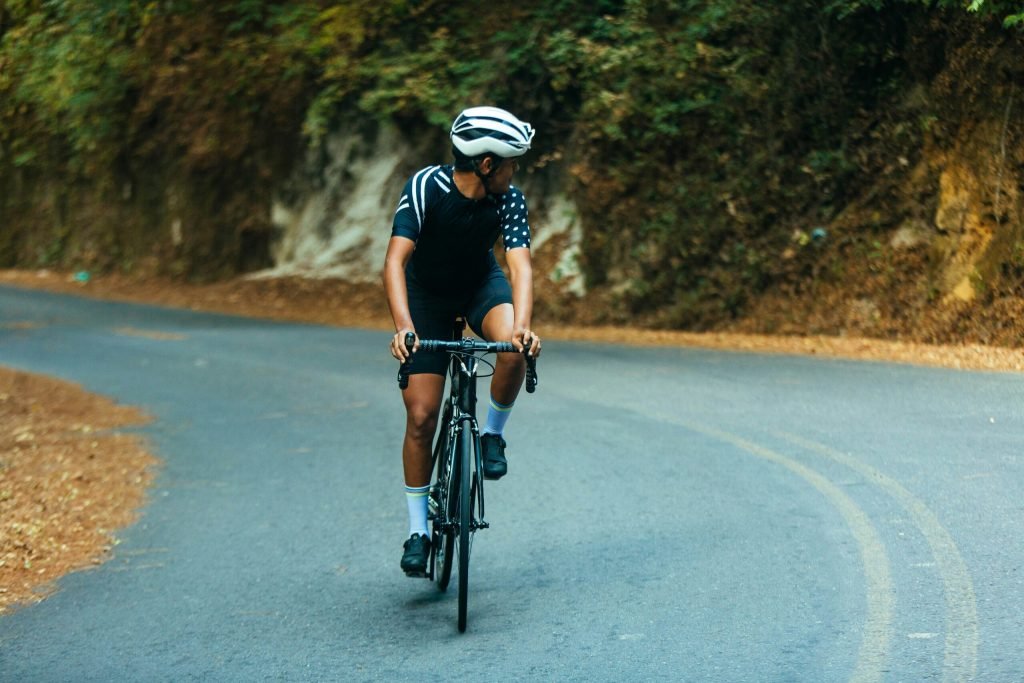
Have you ever felt your legs give up halfway through a road cycling trip? Or maybe you’ve been left gasping for air as you struggle to keep up with your cycling group?
If you’ve nodded along, you’re not alone. Many cyclists, regardless of their experience level, face challenges when it comes to building endurance. But here’s the exciting part: improving your road cycling endurance is not only possible, it’s simpler than you might think.
In this guide, you’ll discover effective techniques and tips that will transform your cycling experience. Imagine the thrill of conquering longer distances with ease and confidence. Stick around, because by the end of this article, you’ll be equipped with actionable strategies to boost your stamina and enjoy every ride to the fullest.

Credit: simpleendurance.medium.com
Training Plans
Long rides build endurance and strength. Start with short rides. Gradually increase distance over time. Balance speed and stamina during rides. Rest days are important. They help muscles recover and grow stronger. Hydration is key for long rides. Drink plenty of water before, during, and after cycling. Eating healthy foods fuels your body. Choose fruits, vegetables, and proteins.
Intervals improve speed and stamina. Ride fast for a few minutes. Then, slow down to recover. Repeat this pattern several times. Short bursts build power and endurance. Keep intervals varied for best results. Mix fast and slow sessions. Monitor your progress regularly. Adjust training to suit your goals. Listen to your body to avoid injuries.
Strength Building
Strong core muscles help in better cycling balance. Planks are great for core strength. Hold a plank position for 20 seconds. Repeat this three times. Crunches also work well for the core. Do 15 crunches every day. Side planks help the side muscles. Hold each side for 15 seconds. Repeat twice. These exercises make your body stable.
Legs are important for cycling power. Squats build leg muscles fast. Do 10 squats in the morning. Lunges help improve leg strength. Step forward and bend your knee. Do 10 lunges for each leg. Calf raises target calf muscles. Stand on toes and lift heels. Repeat this 15 times. These workouts make legs strong and ready for cycling.
Nutrition Strategies
Carbohydrate loadinghelps cyclists ride longer. Eat pasta, rice, and bread. These foods give energy to muscles. Start loading three days before a big ride. This way, your muscles store more energy. Eat small meals throughout the day. Avoid large meals that make you sleepy. Balance your diet with fruits and vegetables. They provide vitamins for your body.
Staying hydratedis key for endurance. Drink water regularly. Not just when you’re thirsty. Before cycling, drink a glass of water. During rides, sip water every 15 minutes. Sports drinks can also help. They replace salts lost in sweat. Avoid sugary drinks. They can make you tired. Keep a water bottle handy. Refill it when needed.
Recovery Techniques
Enhance road cycling endurance by incorporating recovery techniques such as stretching, hydration, and balanced nutrition. Adequate rest and consistent sleep patterns play crucial roles in muscle repair. Regularly adjusting training intensity helps prevent fatigue and promote gradual improvement.
Rest Days
Rest days are very important for cycling endurance. They help your muscles recover and grow stronger. You should have at least one rest day every week. On rest days, avoid hard activities. Focus on relaxing and letting your body heal. This can include light walking or gentle stretching. Rest days prevent injuries and keep you healthy. Listen to your body. If you feel very tired, take more rest.
Stretching
Stretching keeps your muscles flexible. It helps you ride better and longer. Always stretch before and after cycling. Focus on your legs, hips, and back. Each stretch should last around 20 seconds. Stretching reduces stiffness and pain. It also improves your overall performance. Make stretching a regular part of your routine. This ensures your body stays ready for more cycling adventures.
Mental Resilience
Mental resilience boosts road cycling endurance by enhancing focus and determination. Regular training builds strength and confidence. Embrace challenges and maintain a positive mindset to overcome obstacles effectively.
Goal Setting
Setting clear goals helps build mental strength. Start with small achievable goals. Gradually increase them as you grow stronger. This method keeps you motivated and focused. Track your progress regularly. Celebrate your victories, no matter how small. It boosts your confidence and keeps you on track.
Positive Visualization
Imagine yourself cycling with ease and strength. This mental picture helps you stay motivated. Visualize overcoming tough roads and feeling strong. It builds your mental toughness. Practice this regularly to strengthen your mind. It prepares you for real challenges on the road.
Equipment Optimization
Having the right bike fitis very important. It makes riding easier and more comfortable. A good fit helps you ride longer without pain. Your seat should be at the right height. This helps your legs push the pedals well. The handlebars should be easy to reach. This keeps your back straight and happy. Adjustments might be needed as you grow. A well-fitted bike feels like part of your body.
Choosing the right gearis key. It helps you ride better. Use light gears for uphill rides. They make pedaling easier. Heavy gears are good for flat roads. They help you go faster. Always check your gear before riding. Make sure it works well. Clean gears last longer and work better. This makes your ride smooth and fun.
Monitoring Progress
Tracking progress boosts road cycling endurance. Record distances, times, and energy levels regularly. Analyze data to identify strengths and areas for improvement.
Tracking Tools
Use appsor devicesto check your cycling speed. These tools help you see how far and fast you ride. Look at charts and graphs to understand your cycling patterns. They show your progress over time. Always keep track of your heart rate. This shows how hard you are working. It’s important for improving endurance. Check your elevation gain, too. It tells you how much you climb during your ride. Monitoring all this data helps you improve.
Adjusting Goals
Set small goalsfirst. Try riding a little longer each week. Once you reach a goal, make a new one. Maybe ride faster next time. Change your routes to challenge yourself. Find a hillier path or a longer trail. Adjust goals based on your progress. Listen to your body. If you feel tired, slow down. Always aim to improve but stay safe. Balance is key to better endurance.
Credit: valdperformance.com

Credit: simpleendurance.medium.com
Frequently Asked Questions
How Can I Improve My Cycling Endurance Fast?
Boost cycling endurance by increasing ride duration gradually. Incorporate interval training for high-intensity bursts. Stay hydrated and maintain a balanced diet rich in carbohydrates and protein. Consistency is key; ride regularly and ensure adequate rest. Focus on proper bike fit and technique to enhance performance efficiently.
What Is The 80% Rule In Cycling?
The 80% rule in cycling suggests that 80% of training should be at low intensity. This approach helps build endurance and reduce injury risk, balancing intensity and recovery for optimal performance.
What Is The 80 20 Rule For Cycling?
The 80/20 rule for cycling involves training 80% at low intensity and 20% at high intensity. This method optimizes performance by balancing endurance and speed development. Cyclists often use heart rate monitors or power meters to ensure accurate intensity levels during workouts.
How Long Does It Take To Improve Cycling Endurance?
Improving cycling endurance typically takes 6 to 12 weeks with consistent training. Regular rides, interval training, and proper nutrition enhance results. Gradually increase distance and intensity for optimal progress. Listening to your body and allowing adequate recovery time are crucial for sustained endurance improvement.
Conclusion
Improving road cycling endurance requires consistent effort and smart strategies. Start with regular training sessions. Gradually increase your ride distance. Pay attention to your diet and hydration. Rest is vital; give your body time to recover. Track your progress to stay motivated.
Remember, patience is key in building endurance. Push through challenges but listen to your body. Celebrate small victories along the journey. Every pedal stroke brings you closer to your goal. With dedication, your endurance will improve. Keep cycling, stay focused, and enjoy the ride.
Feel the freedom and strength in every pedal.



