
Are you ready to take your cycling experience to the next level? Upgrading your road bike pedals might just be the game-changer you’re looking for.
Whether you’re aiming for better performance, more comfort, or simply a stylish upgrade, choosing the right pedals can make all the difference. Imagine gliding through your favorite routes with improved efficiency and confidence. In this guide, we’ll walk you through the simple yet impactful steps to elevate your ride.
Curious about how a small change can transform your cycling adventures? Stay with us, and discover how to make your bike the best it can be.
Types Of Road Bike Pedals
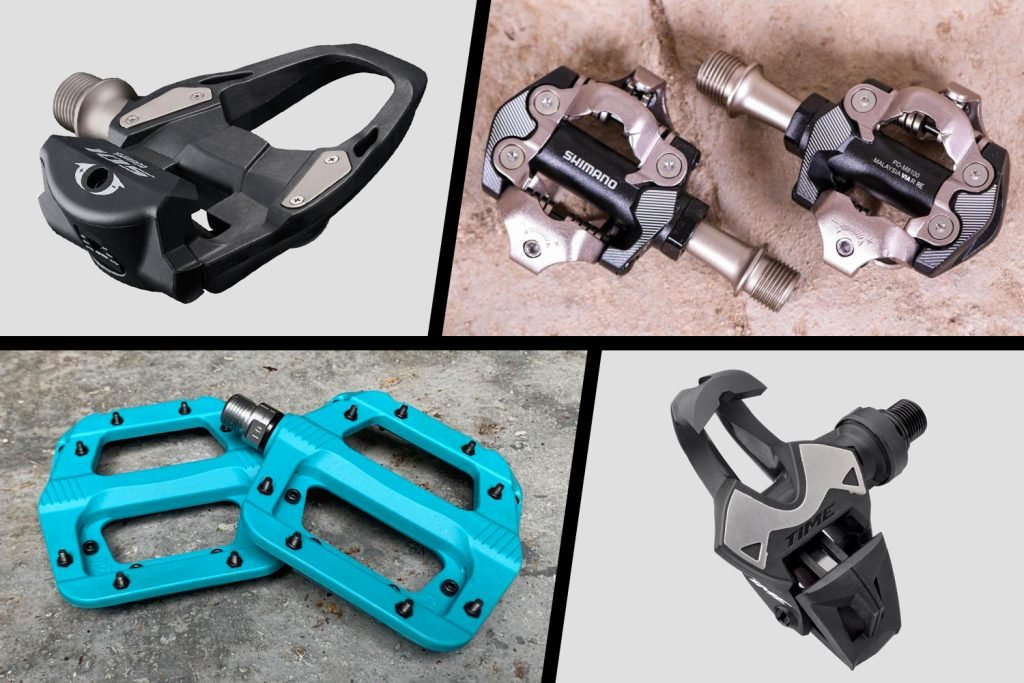
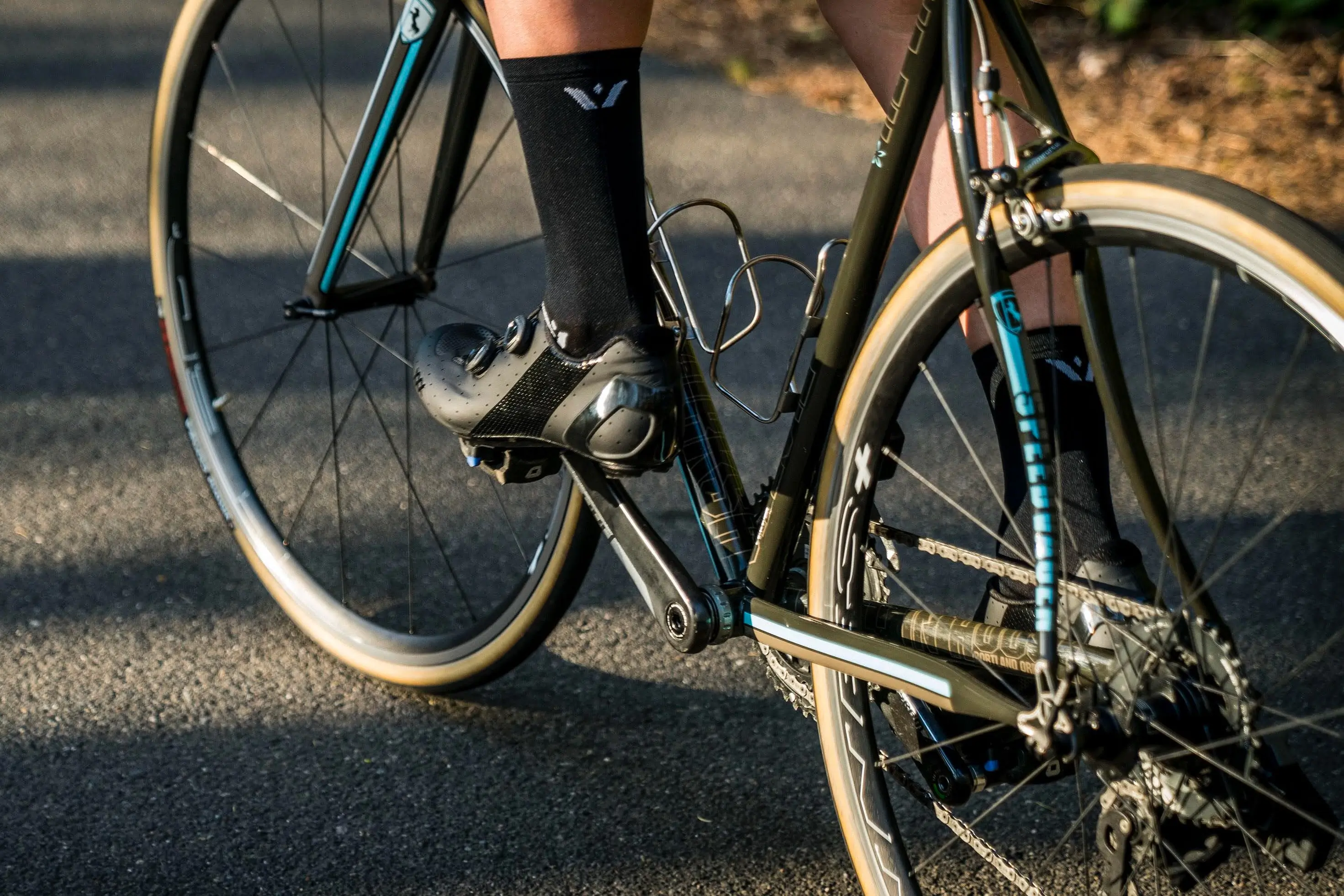
Clipless pedalsattach to special shoes. They improve power transfer. Feet stay connected firmly to pedals. Easy to release when needed. Riders enjoy better controland efficiency. Pedals are popular in races. Beginners may need practice to use them.
Platform pedalsare flat. No special shoes needed. Easy to use for all. Great for casual rides. Simple design makes them reliable. Some have grips for better foot hold. Comfortable for short distances. Low maintenanceand cost-effective.
Hybrid pedalscombine clipless and platform features. Versatile choice for many riders. Use clipless side for long rides. Switch to platform side for casual rides. Flexible options for different needs. Best for riders who want both styles. Offers more freedomand choice.
Benefits Of Upgrading Pedals
Upgrading pedalscan make biking easier. Less energy is wasted. Pedals help transfer power better. This means you go faster with less effort. Riders feel less tired on long trips.
New pedals feel better on the feet. They are designed for comfort. Feet stay in place more securely. This reduces pain and discomfort. Happy feet make for a happy ride. Comfort can mean enjoying rides more.
Better pedals mean better control. Feet grip pedals more securely. This helps in tricky situations. Riders feel more stable. Control is important for safety. Better control means fewer accidents.
Choosing The Right Pedals
Think about how you ride your bike. Do you like long rides or racing? For long rides, comfort is key. Racing needs speed and grip. Choose pedals that match your riding style. This makes biking more fun and safe.
Check your shoes. Do they fit with the pedals you want? Some shoes work with clipless pedals. Others fit flat pedals better. Choose pedals that match your shoes. This keeps your feet secure while riding.
Look at how much money you can spend. Pedals come in many prices. Some are cheap, others cost more. Think about what you need most. Buy pedals that are good but fit your budget. This helps you get the best value.
Tools Needed For Pedal Upgrade
Upgrading road bike pedals requires a few essential tools. An Allen wrench helps in removing old pedals, while a pedal wrench offers better grip for stubborn pedals. Grease is needed for smooth installation and preventing rust.
Wrench Options
Using the right wrench is crucial for pedal upgrades. Choose a 15mm pedal wrenchfor easy removal. A hex wrenchcan also work well. Ensure your wrench fits snugly to avoid slipping. Keep a tool with good griphandy.
Lubricants And Cleaners
Apply lubricants before installing new pedals. Use a bike-specific lubricantfor smooth operation. Clean pedal threads with a soft clothbefore applying lubricant. Choose a degreaserfor cleaning stubborn dirt. Ensure all parts are dry before assembly.
Safety Gear
Safety is important during upgrades. Wear glovesto protect your hands. Use safety gogglesto shield your eyes. Keep a first aid kitnearby for emergencies. Ensure your workspace is safe and clean.
Step-by-step Pedal Installation
Upgrading road bike pedals can enhance performance and comfort. Start by gathering the right tools and ensuring the bike is stable. Carefully remove the old pedals, then attach the new ones, making sure they are tightly secured. Enjoy a smoother ride with improved pedal efficiency.
Removing Old Pedals
First, gather tools like a wrenchand some grease. Turn the bike upside down for easy access. Use the wrench to loosen the pedal. Pedals have different threads. The right pedal loosens counterclockwise. The left pedal loosens clockwise. Once loose, remove the pedal with care. Clean the pedal area for dirt and rust.
Preparing New Pedals
Check the new pedals for “R” and “L” labels. “R” means right, “L” means left. Apply greaseto the pedal threads. This helps them fit well and prevents rust. Make sure threads are clean. Do not mix up the pedals.
Installing New Pedals
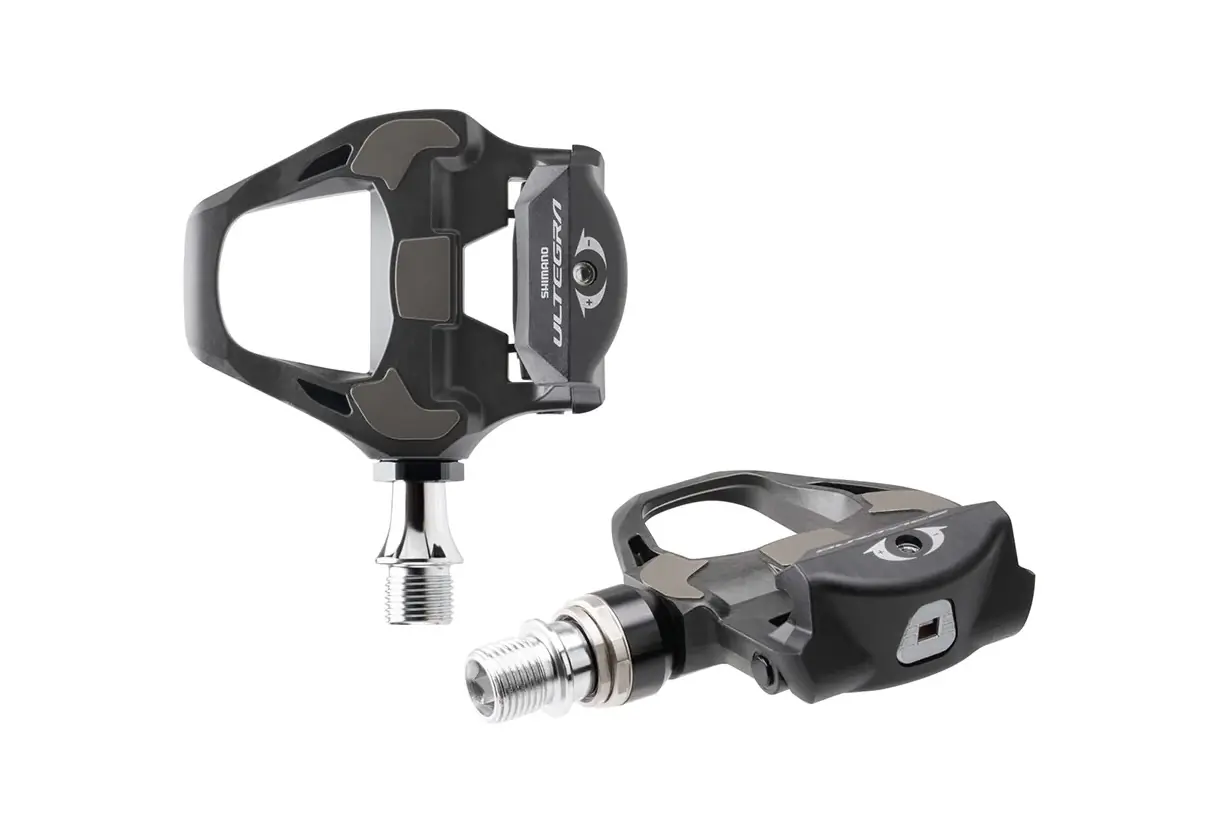
Start with the right pedal. Turn it clockwise to tighten. Use the wrench for a snug fit. Do the same for the left pedal, but turn it counterclockwise. Check both pedals to ensure they are tight. Give them a spin to ensure smooth movement. Now, your bike is ready to ride!
Credit: gearjunkie.com
Maintenance Tips For New Pedals
Upgrading road bike pedals requires regular cleaning and lubrication for smooth operation. Check for dirt buildup and ensure screws are tightened securely. Proper maintenance helps extend pedal life and improve performance.
Regular Cleaning
Dirt can damage pedals quickly. Use a soft cloth to wipe them clean. Avoid harsh chemicals. They can harm the pedal surface. After cleaning, dry them well. This prevents rust. Clean pedals work smoother and last longer.Lubrication Techniques
Apply a small amount of bike oil to moving parts. This keeps pedals turning smoothly. Do not use too much oil. It can attract dirt. Wipe off excess oil with a cloth. Lubricating regularly helps maintain pedal function.Periodic Checks
Check pedals for wear and tear often. Look for loose screws and bolts. Tighten them with a wrench if needed. Inspect pedal body for cracks. Replace if there are any signs of damage. Regular checks ensure safe rides. `Common Mistakes To Avoid
Choosing pedals that match your riding style is crucial. Avoid over-tightening pedals to prevent damage. Ensure compatibility with your bike’s crankset for optimal performance.
Ignoring Compatibility
Pedals must match the bike type. Not all pedals fit all bikes. Compatibility is key for safe riding. Ensure your pedals match your bike’s crank arm. Wrong pedals can harm your bike.
Overtightening Pedals
Too much force can damage the threads. Pedals should be tight but not overly tight. Use a torque wrench for proper tightening. Check your bike’s manual for specific torque settings.
Neglecting Maintenance
Regular care keeps pedals working well. Cleaning removes dirt that can cause problems. Lubrication reduces wear and tear. Check pedals often for any signs of damage.

Credit: www.bicycling.com
Expert Advice And Recommendations
Upgrade road bike pedals for enhanced performance and comfort. Choose pedals based on riding style and terrain. Ensure compatibility with bike and shoes for a seamless transition.
Top Pedal Brands
Choosing the right pedal is very important. Shimanoand Lookare popular brands. They offer durable and reliable pedals. Speedplayis another trusted brand. Their pedals are light and easy to use. Crankbrothersprovide unique designs. They are perfect for off-road biking. Always check reviews before buying.
Professional Installation Services
Installing pedals can be tricky. Professional help ensures safety. Many bike shops offer installation services. Experts can adjust pedals perfectly. This avoids any future problems. Proper installation improves your ride. It also extends pedal life. Ensure your bike shop has skilled technicians. Ask friends for recommendations.
Feedback From Cyclists
Cyclists love sharing experiences. Feedback helps in choosing the best pedals. Many cyclists praise Shimanofor smooth rides. Lookpedals are famous for easy clipping. Speedplaypedals receive positive reviews for comfort. Cyclists recommend testing pedals before purchase. Listen to feedback for informed decisions.
Credit: gearjunkie.com
Frequently Asked Questions
Is It Worth Upgrading Bike Pedals?
Upgrading bike pedals enhances performance, providing better grip and efficiency. Improved pedals offer durability and comfort, enhancing the riding experience. They can also reduce strain and improve power transfer. Investing in quality pedals can be worthwhile for avid cyclists seeking enhanced ride quality and control.
Is 15 Mph Fast On A Road Bike?
15 mph on a road bike is a moderate speed for casual cyclists. Experienced riders often achieve faster speeds, averaging 20 mph or more. Terrain, wind, and fitness level can impact speed. For beginners, 15 mph is a decent pace, offering a balance between challenge and comfort.
Can You Put Any Pedals On A Road Bike?
Yes, you can put any pedals on a road bike. Most road bikes use standard pedal sizes. Choose pedals that match your riding style and shoe compatibility. Clipless pedals are popular for efficiency, while flat pedals offer ease of use.
Ensure they fit your bike’s crank arms for optimal performance.
What Pedals Should I Get For My Road Bike?
Consider clipless pedals for efficient power transfer. Popular options include Shimano SPD-SL, Look Keo, and Speedplay. Ensure compatibility with your cycling shoes. For beginners, flat pedals are a good choice. Test different styles to find the best fit for your cycling needs.
Conclusion
Upgrading road bike pedals is a simple and rewarding task. It enhances comfort and boosts cycling performance. Start by choosing the right pedals for your needs. Gather your tools and follow the installation steps carefully. Remember to check the fit and adjust as needed.
Regular maintenance ensures long-lasting performance. Happy cycling! Enjoy the smoother rides and better control. Don’t forget to share your experience with fellow cyclists. They might appreciate your tips and insights. Stay safe and keep pedaling forward!



