
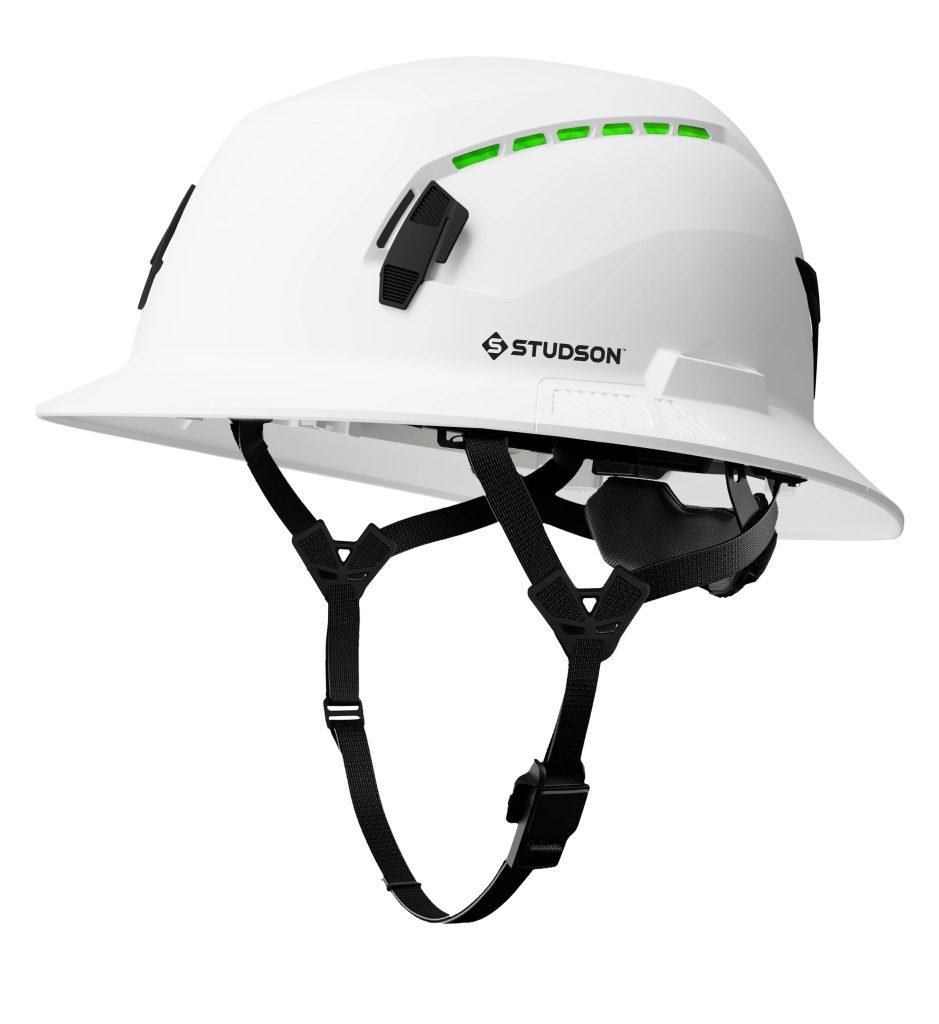
Imagine riding your bike on a hot summer day, the sun beating down relentlessly. You feel the heat building up, not just around you, but inside your helmet too.
Uncomfortable, isn’t it? This is where helmet venting plays a crucial role. It’s not just a feature; it’s a necessity for comfort, safety, and performance. You might think of a helmet as just a protective shell, but the truth is, how well it breathes can greatly affect your riding experience.
Curious to know why those small vents make such a big difference? Keep reading to discover how proper helmet ventilation can transform your rides, ensuring you stay cool, focused, and safe.

Credit: lazersport.us
Role Of Helmet Venting
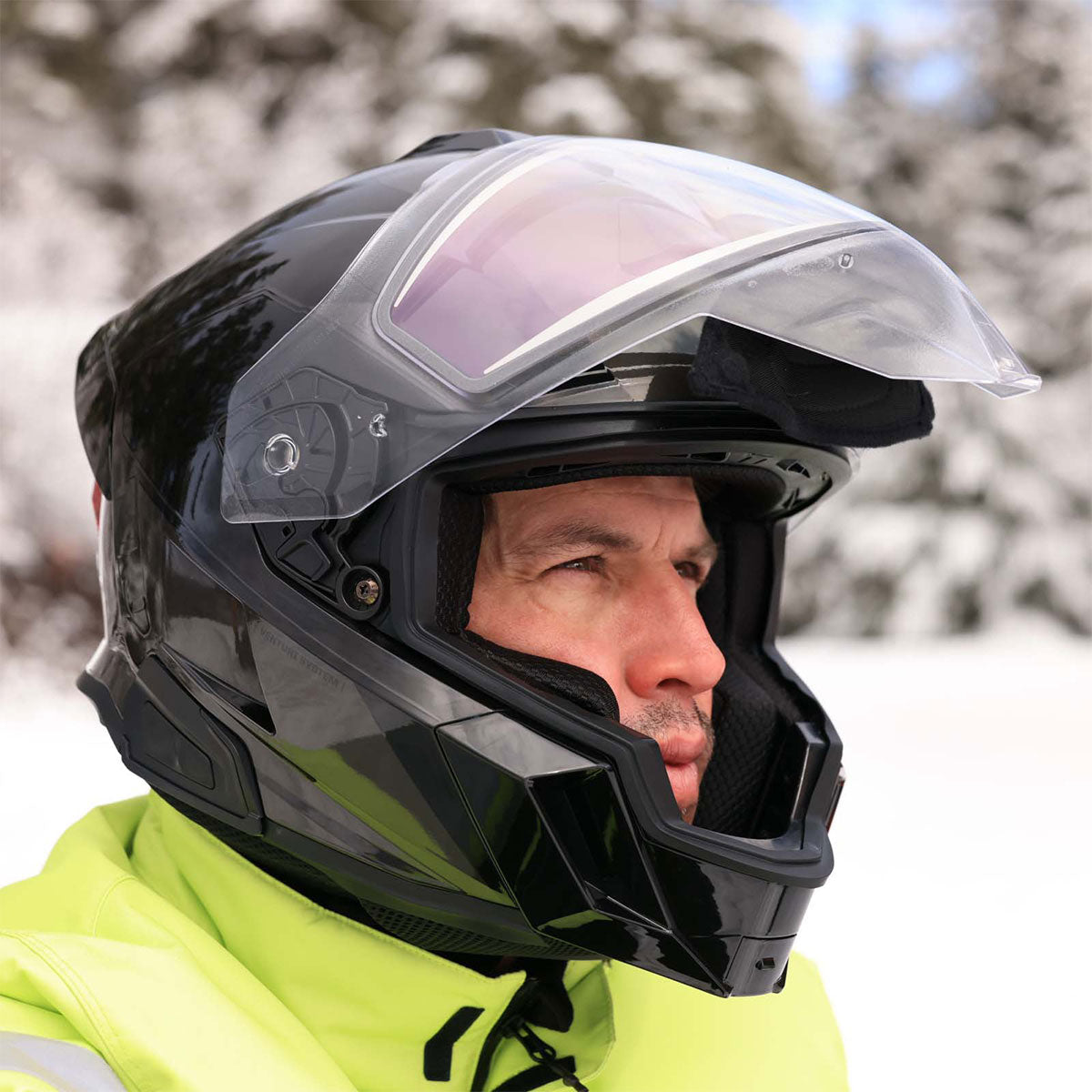
Helmet venting keeps your head cool. The vents let air flow inside. This reduces sweat and keeps you comfortable. Without vents, you might feel hot and sticky. Vents help in hot weather or long rides. They make it easier to stay focused. Proper venting also prevents fogging of the visor. Clear vision is crucial for safety. Many helmets have different types of vents. Top vents and side vents are common. Some helmets let you close vents when it’s cold. This helps in chilly weather. Always check the venting system before buying. It makes a big difference in comfort and safety.
Credit: ride509.com
Enhancing Comfort
Helmets with good venting keep your head cool. Cool air flows inside. Warm air leaves quickly. This helps maintain a nice temperature. You stay comfortable on hot days. Your head feels fresh and relaxed.
Sweating is normal when wearing helmets. But too much sweat is not good. Vents help reduce sweat buildup. They let moisture escape. Your head stays dry. Dry heads feel better and more comfortable.
Heavy helmets can make you tired. Venting makes helmets lighter. Less weight means less stress on your neck. You feel less tired during long rides. More energy means more fun. Enjoy your activities without fatigue.
Safety Benefits
Helmets with good ventingkeep the head cool. A cool head is safer. Hot heads can feel dizzy. That is dangerous. Fresh airkeeps the brain alert. It helps riders stay safe.
Cool helmets help riders focus
Heat can be a big distraction. Venting lets heat escape. Riders can then think better. Less heat means fewer distractions. More focus means more safety. Riders can enjoy the ride.

Credit: www.advpulse.com
Venting Designs
Helmets have different types of vents. Some have front vents for fresh air. Others have top vents to keep heads cool. Rear vents let hot air escape. Side vents add extra cooling. Each type helps in its own way.
Modern helmets have innovative features. Some vents have adjustable covers. These let you control airflow. Air channels guide air inside. This makes cooling better. Some helmets have smart sensors. These can open vents automatically. New designs make helmets more comfortable.
Material affects venting. Lightweight plastics are common. They make helmets easy to wear. Mesh materials improve airflow. Some helmets use foam linings. These keep heads cozy. Good materials make venting effective and safe.
Choosing The Right Helmet
A helmet needs good vents. Airflow keeps your head cool. Hot heads cause discomfort. Proper ventilation helps reduce sweat. This keeps you comfortable. Check for air channels inside. More channels mean better airflow.
A helmet must fit well. Too tight can cause pain. Too loose might slip off. Ensure it covers the whole head. The back, top, and sides matter. Check for adjustable straps. They help in getting the right fit.
Helmets come in many styles. Style is important, but safety first. Choose a helmet that looks good and protects well. Some helmets look cool but lack features. Always check for safety marks. They ensure quality.
Maintenance Tips
Proper helmet venting is crucial for comfort and safety. It helps regulate temperature and reduces moisture buildup. Clean the vents regularly to ensure optimal airflow during rides.
Cleaning Vents
Clean helmet vents to keep air moving. Dirt blocks air flow. Use a soft brush to remove dust. Avoid using harsh chemicals that can damage the helmet. Clean water is best. Let vents dry completely before using the helmet again. Regular cleaning keeps vents working well.
Inspecting For Damage
Check vents for cracks or breaks. Damaged vents can stop air flow. Look for loose parts or missing pieces. Fix any problems you find. This keeps your helmet safe and cool. Regular inspections help catch issues early.
Ensuring Optimal Performance
Make sure vents open and close easily. Stuck vents can make helmets hot. Adjust vents to your comfort level. Test them before each ride. Proper vent function keeps you cool and comfy.
Frequently Asked Questions
Why Is Ventilation Important In A Helmet?
Ventilation in a helmet prevents overheating by allowing airflow. It keeps the rider cool and comfortable. Proper ventilation reduces moisture buildup, enhancing safety and concentration. It also helps in odor prevention, improving overall hygiene. A well-ventilated helmet enhances comfort, safety, and performance during rides.
What Do Helmet Vents Do?
Helmet vents improve airflow, keeping your head cool and reducing sweat. They enhance comfort during long rides. Vents also help prevent fogging on visors, ensuring clear vision. Proper ventilation can reduce fatigue and increase focus. Choose helmets with adjustable vents for optimal air control.
What Is The Purpose Of The Breath Deflector On A Helmet?
A breath deflector prevents visor fogging by directing exhaled air away. It ensures clear vision and enhances safety. The deflector increases comfort during rides, particularly in cold weather. This helmet accessory is crucial for maintaining visibility and reducing distractions, making it essential for motorcyclists.
What Is The 5 Year Helmet Rule?
The 5-year helmet rule suggests replacing helmets every five years. Helmets degrade over time due to sweat, UV exposure, and wear. Regular replacement ensures optimal protection and safety during use. Always check the manufacturer’s guidelines for specific recommendations.
Conclusion
Helmet venting plays a crucial role in safety and comfort. Proper airflow prevents overheating, ensuring you stay cool during rides. A well-ventilated helmet enhances focus and reduces fatigue. It also aids in moisture management, keeping you dry. Choosing a helmet with good ventilation boosts performance and enjoyment.
Evaluate vent designs and materials when selecting a helmet. Prioritize your comfort and safety on every ride. Better ventilation leads to a more pleasant experience. Stay cool, stay safe, and enjoy your journey.



