
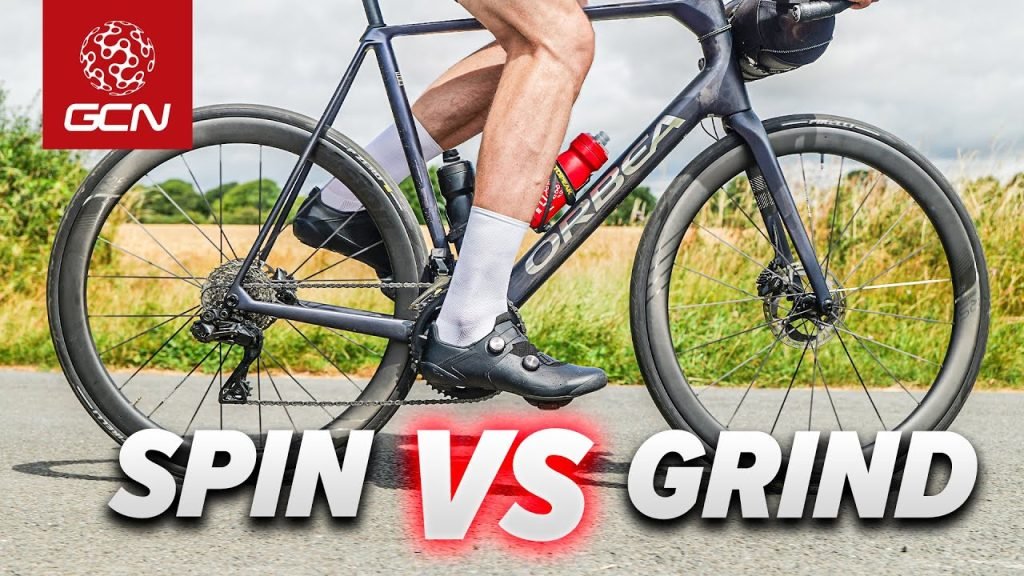
Are you looking to boost your performance on the road? You might have heard that finding the right cadence can transform your cycling experience.
But what does that really mean for you? Imagine pedaling effortlessly, gliding through the miles with power and precision. The best cadence for road cycling isn’t just about numbers—it’s about feeling your best and pushing your limits. This guide will reveal the secrets to mastering your cadence, helping you ride smarter, not harder.
Are you ready to discover the rhythm that could change your ride forever? Keep reading to unlock the answers that could elevate your cycling game!

Credit: www.instagram.com
Cadence Basics
Finding the best cadence for road cycling involves balancing speed and efficiency. Aim for 80 to 100 pedal revolutions per minute. This range helps maintain energy levels and enhances endurance on long rides.
Defining Cadence
Cadence means how fast you pedal. It counts pedal rotations per minute. High cadence can feel smoother. Low cadence might be tough on the legs. Most cyclists find a comfortable rhythm. This rhythm helps with long rides.
Importance Of Cadence
Cadence keeps energy levels steady. It helps in climbing hills. It reduces muscle fatigue. It assists in controlling bike speed. Finding the right cadence is essential. It can make cycling more fun. Different terrains need different cadences.
Optimal Cadence Range
Every cyclist has a unique cadence that feels just right. This is called their sweet spot. The average cadence for road cycling is between 80 to 100 RPM. Some riders feel comfortable at lower rates. Others prefer a faster pace. Listening to your body helps find what works best. Experiment with different speeds. Pay attention to how your legs feel. A perfect cadence means less fatigue and more fun.
Several factors can affect your cycling cadence. Terrainplays a big role. Uphill climbs might slow you down. Flat roads could speed you up. Fitness levelis important too. Strong muscles handle faster cadences better. Bike typealso matters. Lightweight bikes might encourage quicker pedaling. Understanding these factors helps you maintain an ideal cadence.
Benefits Of High Cadence
High cadence makes cycling smooth and fast. Pedaling quickly uses less energy. It helps riders maintain speed easily. Efficient pedaling means you can ride longer. Riders can handle hills better with high cadence. It keeps the bike steady and quick. Speed increases without extra effort. High cadence is a smart choice for efficiency.
Pedaling fast reduces muscle strain. Muscles don’t tire quickly with high cadence. This means riders can cycle for longer periods. Less fatigue helps in long rides. It prevents muscle soreness after cycling. Riders feel more comfortable and relaxed. High cadence keeps muscles fresh and ready. It’s a good way to enjoy cycling without pain.
Challenges Of Low Cadence
Struggling with low cadence can lead to muscle fatigue and reduced cycling efficiency. Finding the best cadence helps maintain speed and energy. Balancing between too fast and too slow is key for a comfortable ride.
Increased Strain On Muscles
Low cadence can put a lot of strain on your muscles. This is because you are using more force with each pedal stroke. Your muscles get tired faster. This can lead to fatigue and even injury. It is important to find a balance in your pedaling speed.
Impact On Endurance
Low cadence can affect your endurance during long rides. Your body uses more energy with each pedal. You may not last as long on your bike. This makes it hard to enjoy long rides. Keeping a good cadence helps maintain your energy. You can ride further without feeling too tired.
Training Techniques
Pedaling at the right cadence can boost efficiency in road cycling. Aim for 80-100 revolutions per minute. This range supports endurance and power, reducing fatigue.
Drills For Cadence Improvement
Cadence drills help cyclists improve their pedal speed. Start with slow pedaling. Gradually increase the speed. Focus on smooth and steady movements. Use a metronome to keep a consistent rhythm. Practice riding on flat roads. Ride at different speeds to find your best cadence. Cadence drills build muscle memory. They help in maintaining a steady pace during rides.
Monitoring Progress
Track your cadence with a bike computer. Check your average speed and pedal strokes. Record your progress daily. Compare your data weekly. Notice improvements in your cycling speed. Observe changes in energy levels. Keep a journal for notes. Write down how you feel after each ride. Monitoring helps in setting new goals. It also motivates to keep training hard.
Technology And Tools
Finding the best cadence for road cycling enhances performance and efficiency. Cyclists often aim for a cadence between 80-100 RPM. This range helps maintain a smooth pedal stroke, reducing fatigue and improving endurance on long rides.
Using Cadence Sensors
Cadence sensors help track pedal speed. They attach to your bike. These sensors send data to your phone. You can see how fast you pedal. This helps you keep a steady pace. Staying in the right cadence can save energy. It helps in long rides. Many cyclists use sensors for better training.
Apps For Tracking Performance
There are apps that show your cycling data. They help track distance and speed. You can see your progress over time. Some apps give you tips to improve. You can set goals and reach them. Use these apps to stay motivated. Keeping track of your rides is fun and easy.
Expert Tips
Finding the right cadence improves road cycling performance. Pedal between 80-100 RPM for optimal efficiency and speed. Experimenting with different rhythms helps identify what works best for individual styles and terrain.
Advice From Professional Cyclists
Professional cyclists suggest keeping a steady cadencebetween 80 to 100 RPM. This range helps maintain energy over long rides. It’s important to find your personal rhythm. Test different speeds on various terrains. Listen to your body and adjust accordingly. A higher cadence can reduce muscle strain. But, it may require better cardiovascular fitness. Consistency in practice will help find your sweet spot.
Common Mistakes To Avoid
Many cyclists push too hard too soon. This can lead to early fatigue. Avoid using heavy gears constantly. It can strain your muscles. Overlooking the right cadence can affect performance. Don’t ignore signs of discomfort. Adjust your pace when needed. Remember, a balanced cadence improves cycling efficiency.

Credit: www.coospo.com
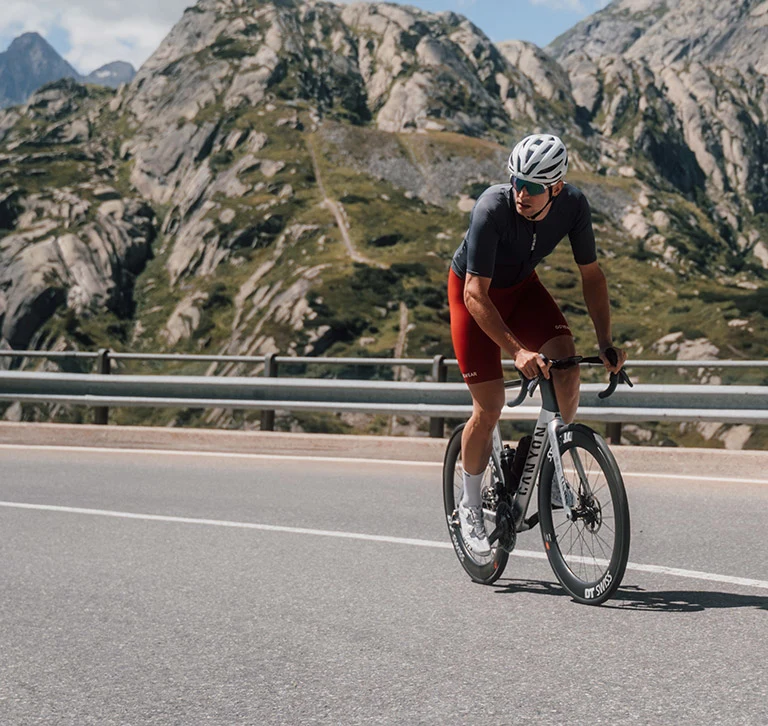
Credit: www.gorewear.com
Frequently Asked Questions
What Is The Most Efficient Cadence For Road Cycling?
The most efficient cadence for road cycling is generally between 85 to 95 RPM. This range helps optimize power output and reduce fatigue. Cyclists should adjust cadence based on terrain and personal comfort for best results.
Is 70 A Good Cadence?
A cadence of 70 is considered low for cycling. Most cyclists aim for a cadence between 80 to 100 RPM. Higher cadence can improve efficiency and reduce fatigue. Beginners might start at 70, but increasing it helps performance. Consult a coach for personalized advice.
What Is The Most Optimal Cadence?
The most optimal cadence varies by activity and fitness level. Generally, 90-100 RPM for cycling and 170-180 SPM for running are ideal. Adjust based on personal comfort and performance. Experiment with different rates to find what works best for you.
Keep monitoring your progress and adapt accordingly.
What Is The Average Cadence In The Tour De France?
The average cadence in the Tour de France ranges between 90 to 100 revolutions per minute (RPM). Professional cyclists maintain this cadence to optimize speed and efficiency. Maintaining a steady cadence helps in reducing fatigue during the race.
Conclusion
Finding the best cadence boosts your road cycling experience. It’s not just about speed. It’s about comfort and efficiency. Experiment with different cadences. Discover what feels natural for you. Listen to your body. Enjoy the ride. A balanced cadence reduces fatigue and enhances performance.
Keep adjusting as you gain experience. Your perfect cadence might change over time. Stay flexible and open-minded. Cycling is a journey, not just a destination. Embrace the process. Keep pedaling, and enjoy the road ahead.



