
Are you trying to decide between rim brakes and disc brakes for your bicycle? You’re not alone.
This choice can feel overwhelming, but understanding the differences can make it much easier. Imagine cruising down a steep hill, and you need to stop quickly. Which brake will give you the confidence to handle any situation? You’ll discover the key differences between rim and disc brakes, helping you choose the best option for your cycling needs.
You’ll learn about their performance, maintenance, cost, and how they affect your ride. Keep reading to find out which type of brake can enhance your biking experience and ensure your safety on the road.
Brake System Basics
Rim brakes grip the wheel’s edge, while disc brakes clamp onto a rotor attached to the hub. Disc brakes offer better performance in wet conditions and provide more stopping power. Rim brakes are simpler and lighter, making them popular in road cycling.
Rim Brakes Explained
Rim brakes use pads to squeeze the wheel’s rim. They are lightweight and easy to maintain. They work best in dry conditions. Their performance can drop in rain. The rim might wear over time. They are popular on road bikes. Installation is simple and quick.
Disc Brakes Explained
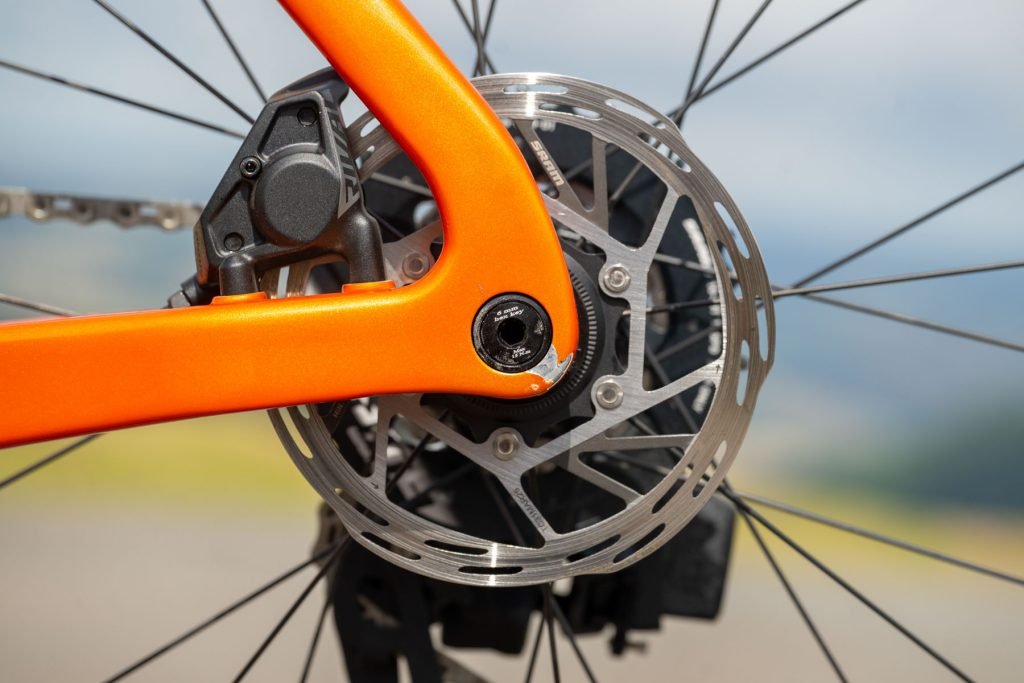
Disc brakes have a rotor attached to the wheel hub. Pads squeeze the rotor to stop the bike. They work well in all weather. They offer consistent performance. They are heavier than rim brakes. Maintenance can be more complex. They are common on mountain bikes.

Credit: www.youtube.com
Performance Comparisons
Rim brakes use pads to stop the wheel. They are less powerful than disc brakes. Disc brakes grip a metal disc on the wheel hub. This gives them stronger stopping power. They are great for downhill rides or fast stops. Rim brakes are lighter and simpler. They work well for casual riding.
Wet roads can be tricky for rim brakes. They take longer to stop. Water can make the rim slippery. Disc brakes perform better in the rain. They stay dry and grip well. This makes them safer in wet weather. Cyclists feel more confident with disc brakes in the rain. Rim brakes can squeak when wet. Disc brakes are quieter and more reliable.
Maintenance And Longevity
Rim brakes generally require less maintenance but wear out faster than disc brakes. Disc brakes often last longer and perform better in wet conditions. Regular checks ensure both types work effectively.
Ease Of Maintenance
Rim brakesare simple to maintain. They have fewer parts. You can easily adjust them. Disc brakesare more complex. They have more parts. Adjusting them takes time. But, they are precise. It is important for safety. Rim brakes need frequent checks. They wear out faster. Disc brakes last longer.
Durability
Disc brakesare strong. They work well in rain. They resist dirt and mud. This makes them last longer. Rim brakeswear out in bad weather. Wet conditions affect them. They need regular checks. Disc brakes are better for long rides. They do not wear out quickly. Rim brakes are good for short rides. They are lighter and easier to handle.
Weight Considerations
Rim brakes are lighter and simpler, offering a weight advantage for riders seeking speed. Disc brakes, heavier but powerful, provide superior stopping power and control in varied conditions.
Impact On Bike Weight
Rim brakes are lighter than disc brakes. They add less weight to bikes. Cyclists prefer them for faster rides. Disc brakes are heavier. They provide better control. They add more weight to bikes. Cyclists choose them for safe rides. Weight affects speed and control.
Effect On Riding Experience
Lighter bikes are easier to pedal. They feel swift on roads. Heavier bikes offer more grip. They are stable during stops. Riders enjoy smooth rides with disc brakes. Rim brakes make bikes feel agile. Each brake type offers unique riding experiences.
Cost Implications
Rim brakes are usually cheaper. They have fewer parts. Disc brakes cost more. They need extra parts. Some parts are special. This makes disc brakes more expensive. Rim brakes use simple parts.
Disc brakes last longer. They are strong and durable. Rim brakes wear out faster. You might need to change them often. Disc brakes save money over time. You pay less for new parts. Rim brakes might cost more later. More changes mean more money spent.
Suitability For Different Riding Styles
Rim brakes are lightweight, suiting road biking and casual rides. Disc brakes excel in mountain biking, offering superior stopping power and performance on varied terrains. Each brake type caters to specific riding styles, enhancing the cycling experience.
Road Cycling
Rim brakes are light and simple. They work well on smooth roads. Disc brakes offer better control and stopping power. They perform in wet conditions. Rim brakes are more aerodynamic. They suit competitive cycling. Disc brakes are ideal for casual cyclists. They provide confidence during rides.
Mountain Biking
Disc brakes are perfect for rough terrains. They offer consistent performance. Rim brakes can struggle on muddy trails. Disc brakes handle dirt and water better. They are essential for steep descents. Mountain bikers prefer disc brakes. They ensure safety and control. Rim brakes are less effective in such environments.
Technological Advancements
Rim brakes grip the wheel’s edge, providing lightweight and cost-effective stopping power. Disc brakes, mounted near the wheel hub, offer superior performance in wet conditions and uneven terrains, enhancing safety and control. Both systems have unique benefits, catering to different cycling needs and preferences.
Innovations In Rim Brakes
Rim brakes have seen many new changes. New materials make them lighter and stronger. Carbon is a favorite choice now. It helps bikes go faster. Better designs give more stopping power. Less chance of slipping in rain. Some rim brakes now adjust themselves. They fit the wheel better each time. This makes riding safer and more fun. New pads last longer than old ones. They wear down slower and work better in heat. Rim brakes are simple, but they keep getting better.
Innovations In Disc Brakes
Disc brakes have many new features too. They use hydraulics for better control. This makes stopping smoother and easier. Some disc brakes are now electric. They use sensors to help stop the bike. This helps in emergencies. New rotors are lighter and stronger. They cool down faster, so they last longer. Better materials reduce noise and make them quieter. Disc brakes are now on more bikes. They work well in mud and rain. They keep riders safe in all conditions.

Credit: www.instagram.com
Environmental Impact
Rim brakes and disc brakes have different manufacturing processes. Rim brakes use less material, making them simpler to produce. Disc brakes require more componentslike rotors and calipers. This means more energy is used in production. Rim brakes are often made from aluminum, which is recyclable. Disc brakes may use steelor ceramics, which are harder to recycle. The choice of materials affects the environment.
Rim brakes are often considered more sustainable. They have a simpler designand use fewer materials. This makes them easier to recycle. Disc brakes last longer and need less frequent replacement. But they have more parts, which can impact sustainability. Choosing between them depends on your environmental priorities. Using materials wisely can help reduce waste. Consider how each brake type affects nature.

Credit: www.instagram.com
Frequently Asked Questions
Which Is Better, Rim Brake Or Disc Brake?
Disc brakes offer better stopping power and performance in wet conditions. Rim brakes are lighter and easier to maintain. Choose disc brakes for mountain biking and wet climates. Opt for rim brakes for road cycling and lightweight setups. Your choice depends on your cycling needs and conditions.
What Is The Difference Between A Disc And A Rim?
A disc is a solid brake component, while a rim is the outer edge of a wheel. Discs improve braking efficiency, and rims support tires. Both are crucial for vehicle performance but serve distinct functions.
Why Do People Prefer Rim Brakes?
People prefer rim brakes for their lightweight design and affordability. They offer easy maintenance and quick wheel changes. Rim brakes also provide sufficient stopping power for most road conditions, making them popular among cyclists. Their simplicity and reliability make them a favored choice for many riders.
Do Any Pros Use Rim Brakes?
Yes, some professional cyclists still use rim brakes. They prefer them for their lighter weight and simplicity. However, disc brakes are becoming more popular in professional cycling due to better performance in varied weather conditions. Rim brakes remain a viable option for specific racing scenarios.
Conclusion
Choosing between rim and disc brakes depends on your needs. Rim brakes are lighter and simpler, often found on road bikes. Disc brakes provide better stopping power in wet conditions. They are favored by mountain bikers and commuters. Consider terrain and weather when deciding.
Rim brakes excel on dry roads, while disc brakes shine in rain and mud. Both types have advantages. Each serves different cycling styles and preferences. Evaluate your riding style. Make an informed choice for your bike. Safety and performance matter most.
Enjoy your ride with confidence.



