
Picture this: You’re at the top of a winding mountain road, the landscape stretching out like a breathtaking tapestry beneath you. The thrill of the ride calls to you, yet the thought of descending on your road bike fills you with a mix of excitement and apprehension.
How do you ensure a safe and exhilarating descent? You’re not alone in wondering. Many cyclists feel that rush of adrenaline mixed with a touch of fear when faced with those steep slopes and sharp turns. You will discover practical tips and essential techniques to help you descend safely on your road bike.
Imagine the confidence you’ll feel as you smoothly navigate each curve, enjoying every moment without worry. Whether you’re a beginner eager to learn or a seasoned cyclist looking to refine your skills, these insights will transform your descent experience. Unlock the secrets to mastering the art of descending, and let the road ahead become your playground. Keep reading, and let’s get you ready for a ride that’s as safe as it is thrilling.

Credit: www.instagram.com
Choosing The Right Equipment
Selecting the right equipment ensures safe road bike descents. Choose reliable brakes for smooth, controlled stops. Opt for quality tires to maintain grip and stability.
Brake Types And Maintenance
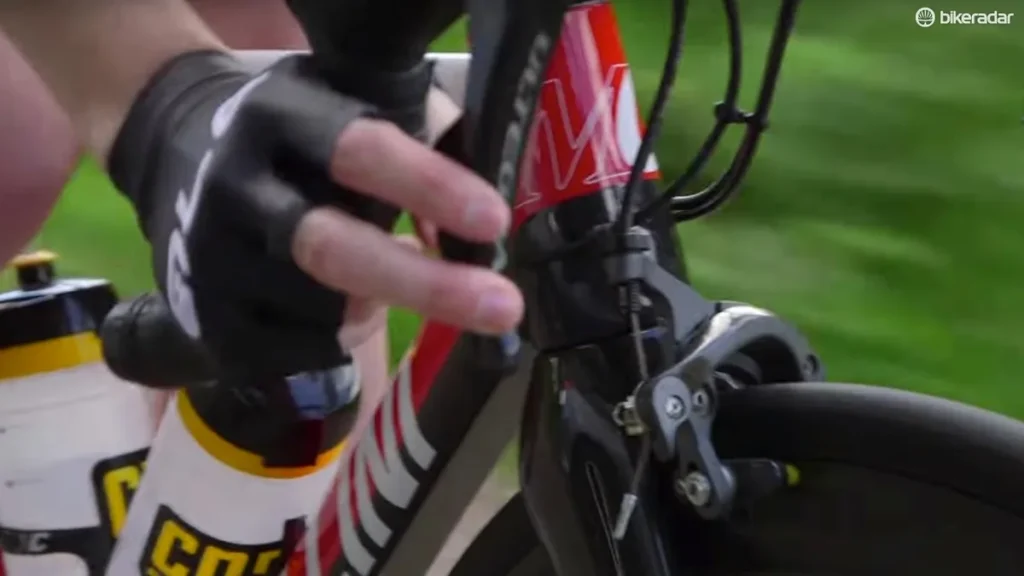
Road bikes need strong brakesfor safe descents. Rim brakes are common and light. Disc brakes offer better controlin wet conditions. Regularly check your brakes for wear and tear. Ensure they work well. Adjust them as needed. Clean brake pads often. Dirt can reduce stopping power. Keep cables tight and responsive. This ensures fast braking when needed.
Tire Selection For Stability
Choosing the right tires is crucial for safe biking. Wider tires increase stabilityon descents. They offer better grip on roads. Check tire pressure regularly. Proper inflation improves control. Look for tires with good tread patterns. This helps in maintaining traction. Avoid slick tires on wet roads. They can slip easily. Always inspect tires for cuts or damage. Replace them if necessary for safety.
Body Positioning Techniques
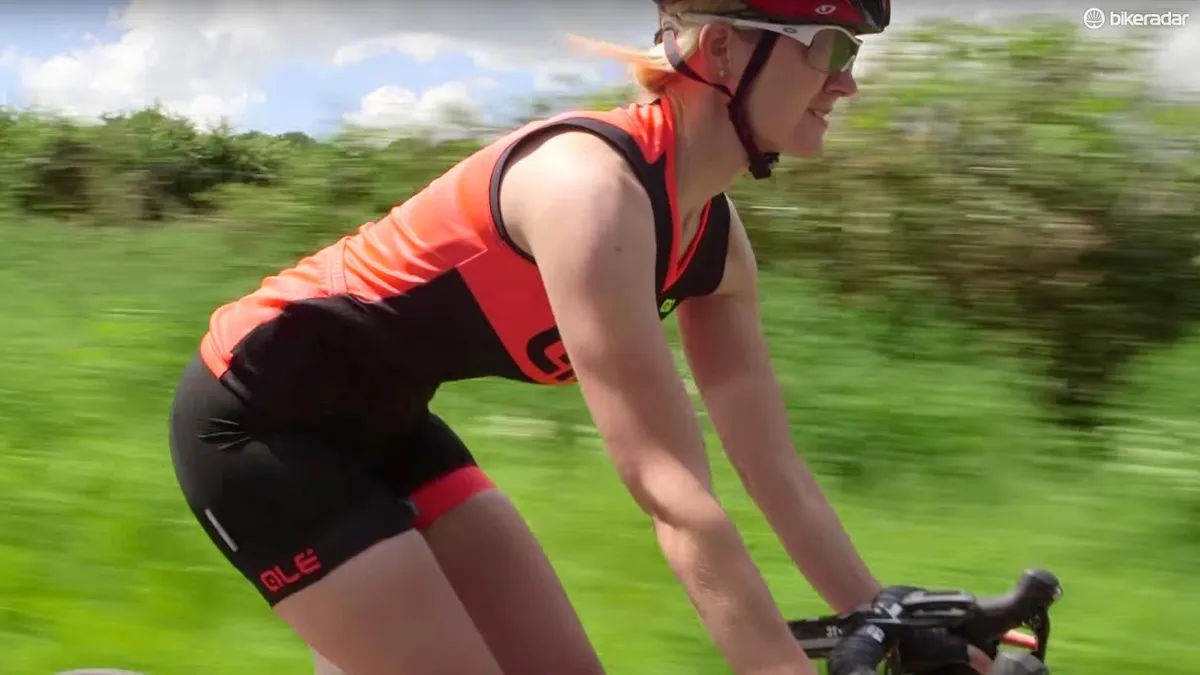
Keep your body lowto the bike. Bend your elbows slightly. This helps in maintaining balance. It reduces wind resistance. Your bike feels more stable. Practice makes perfect. Try different positions to find comfort. Remember, stay relaxed. Avoid stiff arms and shoulders. This can lead to better control.
Balance your weightevenly. Shift your weight back slightly. It helps during descents. Avoid leaning too far forward. This can be risky. Focus on keeping weight centered. Both wheels should grip the road. Adjust your seat if needed. Test different positions. See what feels right for you. Every rider is different. Find what works best.
Braking Strategies
Use the front brake for strong stopping power. It helps slow down quickly. But be careful! Pull it gently to avoid skidding. The rear brake is good for steady control. It helps balance the bike. Use both brakes together for safe stops. This keeps you from flying over the handlebars. Practice using them to feel comfortable.
Feathering means tapping the brakes lightly. It helps in controlling speed smoothly. Don’t hold the brakes for too long. This might make them hot and less effective. Instead, gently squeeze and release the brakes. This keeps the bike steady. Feathering is great for curvy roads. You stay in control without sudden stops. Practice this technique often.

Credit: road.cc
Speed Control Methods
Descending safely on a road bike requires careful speed control. Proper braking techniques and gear shifting help slow down the bike. Smooth braking and shifting enable riders to maintain control and stability.
Anticipating Turns
Look ahead to see the road. This helps in planning your turn. Slow down before you reach the curve. Use your brakes gently. Keep your bike steady. Maintain balance by keeping your body centered. This keeps you safe during the turn. Avoid sharp movements that can cause falls. Always be ready to adjust speed. Stay alert to road signs and signals.
Gradual Speed Reduction
Reduce speed slowly to stay safe. Press brakes gently and evenly. This prevents skidding. Use both brakes for better control. Avoid sudden stops that might cause accidents. Keep a safe distance from other riders. This gives you more time to slow down. Check your surroundings often to stay aware. Stay calm and focused on the road.
Terrain Assessment
Carefully observe the road surface ahead. Look for uneven patchesor loose gravel. These can cause the bike to slip. Pay attention to wet areasor muddy spots. They may be slippery.
Identifying Hazards
- Watch for potholes. These can damage your bike.
- Spot crackson the road. They may cause a fall.
- Check for fallen leaves. Wet leaves are slippery.
- Look for sharp turns. Slow down before them.
Adapting To Road Conditions
Adjust your speed based on the terrain. Go slower on slippery surfaces. Be ready to brake gently. Keep your hands on the brakes. Maintain a comfortable gripon the handlebars. Stay focused and alert.
Credit: www.bikeradar.com
Weather Considerations
Wet roads can be slippery and dangerous. Use your brakes gently and early to avoid skidding. Lower your speed and increase the distance from other cyclists. Avoid sharp turns and sudden movements. Look for puddles as they can hide potholes. Wear bright clothing to be visible in foggy weather.
Strong winds can push your bike sideways. Lean into the wind slightly to stay balanced. Use a lower gear to maintain control. Draft behind others to reduce wind resistance. Avoid wide open spaces where wind is stronger. Watch for debris like leaves and twigs. Be extra careful when passing cars or buildings.
Mental Preparedness
Mental preparedness ensures safe road bike descents by promoting focus and calmness. Anticipate road conditions and stay alert.
Staying Focused
Keeping your mind clear is very important. Focus on the road and your bike. Avoid distractions like loud noises or other riders. Watch for turns, cars, and bumps. Stay alert to keep safe. Listening to your body and bike sounds helps. Always stay in the present moment.
Building Confidence
Confidence grows with practice. Start on small hills first. Feel the bike’s movements under you. Practice braking gently to stop smoothly. Learn to balance your weight. Trust your skills as they grow. Remember, every ride makes you better. Stay calm and enjoy the ride.
Frequently Asked Questions
How To Go Downhill On A Road Bike?
Shift to a lower gear and keep your hands on the drops for better control. Feather the brakes gently to manage speed. Look ahead and choose a smooth line. Lean into corners for better traction. Stay relaxed and maintain a steady position for balance.
How To Descend Better On A Bike?
Maintain a relaxed grip and bend elbows for better control. Focus on the road ahead. Keep your weight centered and lean into turns. Use brakes smoothly, applying more on the rear. Practice to gain confidence.
Should You Descend On Hoods Or Drops?
Descend using the drops for better control and stability. Drops provide a lower center of gravity, enhancing safety. Hoods offer less control on steep descents. Always prioritize comfort and safety during descents. Adjust your grip based on terrain and speed.
Do You Roll Faster Downhill On A Bike If You’re Heavier?
Heavier cyclists may roll downhill faster due to increased momentum and gravitational pull. Weight enhances speed by reducing air resistance’s relative impact. Ensure safety by maintaining control and using proper techniques.
Conclusion
Descending safely on a road bike takes practice and attention. Confidence builds with each ride. Always check your brakes before starting downhill. Keep your body relaxed and your eyes on the road. Smooth movements help maintain control. Remember, speed isn’t everything.
Safety comes first. Use proper techniques to enjoy each descent. Choose familiar routes for practice. Gradually increase difficulty as your skills improve. Stay focused on your surroundings. Ride with awareness of other road users. With these tips, you can descend confidently and enjoy your ride.
Prioritize safety to make every biking adventure enjoyable and secure.



