
Are you ready to unlock the thrill of cycling? Whether you’re looking to get fit, explore new trails, or simply enjoy the open road, a solid road bike training plan can set you on the right path.
Starting a new fitness journey can feel overwhelming, especially if you’re unsure about where to begin. But here’s the good news: with the right guidance, you can transform your cycling experience and achieve your fitness goals. Imagine cruising down a sunlit path, feeling the wind against your face, and knowing that each pedal stroke is bringing you closer to better health and stamina.
This isn’t just a dream—it can be your reality. With a tailored training plan, even beginners like you can build strength, boost endurance, and enjoy every ride to the fullest. You’ll discover simple yet effective strategies designed to fit seamlessly into your daily routine. From setting achievable goals to tracking your progress, this guide will empower you to make the most of your cycling adventures. So, why wait? Dive into this beginner-friendly road bike training plan and start pedaling your way to a healthier, happier you.
Credit: www.bikeradar.com
Setting Goals
Think about what you want to achieve. Do you want to ride faster or longer? Maybe you want to join a race one day. Goals help you stay focused. Write them down and share them with a friend. Small steps lead to big success. Set a time limit for each goal. This keeps you motivated.
Use a simple chart to track your rides. Record the distance and time. Check how you improve every week. Celebrate small wins with a fun treat. If you miss a goal, learn from it. Adjust your plan and try again. Progress is better than perfection. Keep a positive attitude. Your hard work will pay off.
Essential Gear
A good bike is important for training. Look for a lightweightframe. This helps you ride faster. The bike should fit your height. Try sitting on it. Your feet should touch the ground. Check the brakesand gears. They must work well. A comfortable seat is necessary. Long rides need good comfort. Test the bike before buying. Make sure it feels right.
Safety is very important when riding. Always wear a helmet. It protects your head. Choose a helmet that fits well. It should not move around. Wear glovesto protect your hands. They also help you grip better. Reflective clothing makes you visible. This is important at night. A bright light on your bike is good too. It helps others see you.
Building A Routine
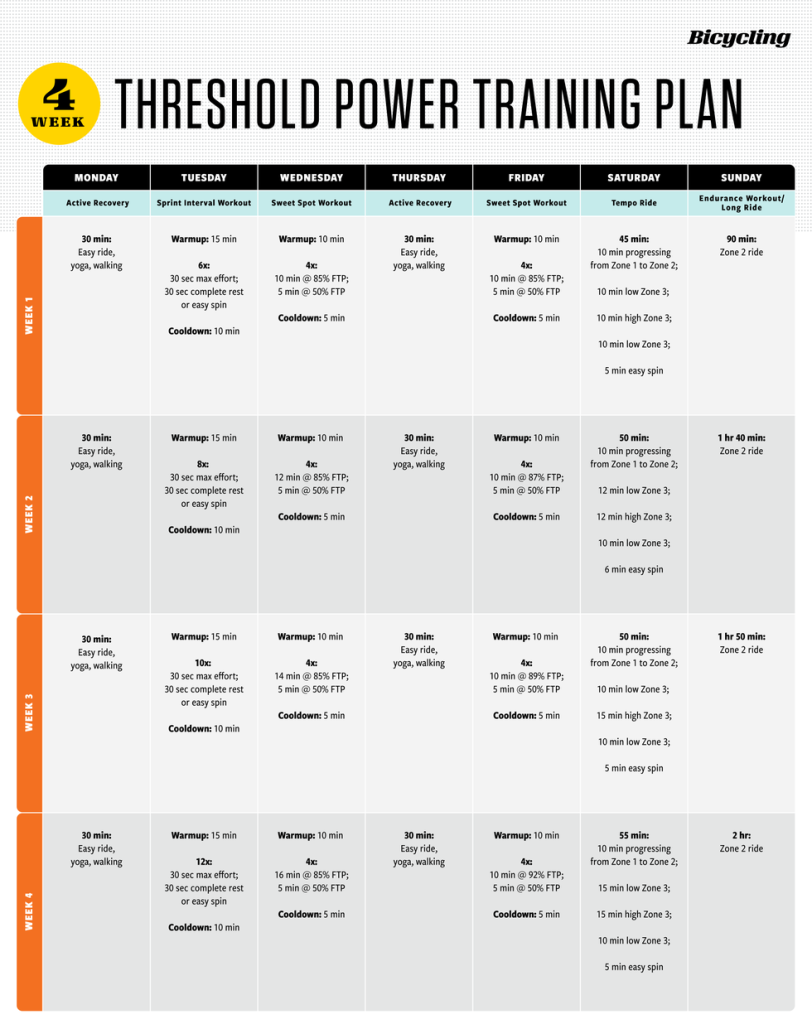
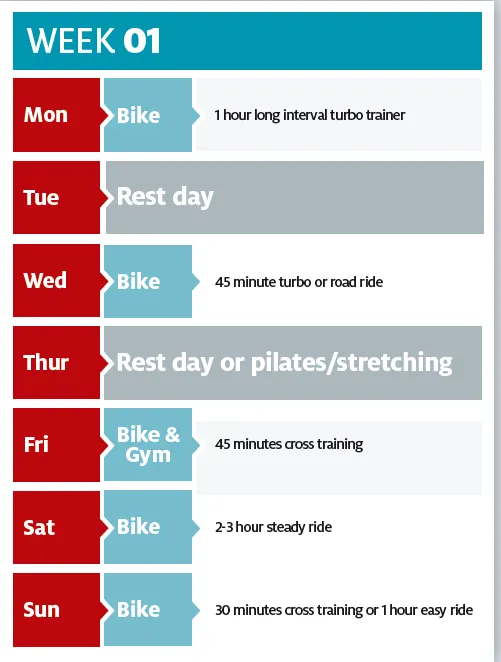
Creating a weekly plan helps you stay on track. Begin with three rides a week. Each ride should be around 30 minutes. Pick different days to allow for rest. Aim for one long ride each week. This could be around 45 minutes. The other two rides can be shorter. Make sure to enjoy your rides!
It’s important to mix hard and easy rides. Some days, push yourself harder. Other days, take it easy and relax. Your body needs time to recover. Rest days help your muscles grow stronger. Listen to your body. If you feel tired, take a break. This balance helps you avoid getting too tired. It also keeps riding fun and enjoyable.
Training Techniques
Building endurance is key for long rides. Start with short, easy rides. Gradually increase distance over weeks. Focus on steady and consistent pace. Drink water often to stay hydrated. Eat snacks to keep energy levels up. Listen to your body. Rest when needed. This builds strength and stamina.
Intervals help improve speed and power. Ride fast for short bursts. Slow down to recover. Repeat several times during your ride. Start with shorter intervals. Increase intensity as you get stronger. Keep track of your progress. Interval training makes muscles stronger. You’ll ride faster over time.
Nutrition And Hydration
Proper nutrition and hydration are key for beginners in road bike training. Eating balanced meals and drinking enough water boosts energy and recovery.
Fueling Before Rides
Eating right before your ride is crucial. Your body needs energy. Choose foods that give you quick energy. Bananas and oatmeal are great options. Drink water to stay hydrated. Avoid heavy meals before cycling. Heavy meals make you feel sluggish. Small snacks work best before rides. These prepare you for a strong start.
Recovering After Workouts
After cycling, your body needs to recover. Eat foods high in protein. Protein helps repair muscles. Chicken and beans are good sources. Drinking enough water is important. Water helps recover lost fluids. Consider having a sports drink. This helps replenish lost electrolytes. Rest is also key for recovery. It allows muscles to heal and grow.

Credit: www.bicycling.com
Monitoring Progress
Tracking your progress is key in a road bike training plan for beginners. It helps identify strengths and areas for improvement, keeping motivation high. Regular monitoring ensures steady advancement and builds confidence in your cycling journey.
Using Apps And Devices
Apps and devices can help track your progress. Use a bike computer to see speed and distance. Smartphones have apps to monitor your rides. Apps can count your calories burned. They also track your heart rate. A fitness watch can show real-time data. These tools motivate you to do better. They help you stay on track with your goals.
Adjusting Your Plan
Plans sometimes need changes. Listen to your body. If tired, take a rest day. If too easy, add more challenges. Change your route for a fresh ride. Adjust the time you spend riding. Increase or decrease your speed. Make sure the plan fits your life. Keep it fun and exciting.
Common Challenges
New road bike riders often face challenges like maintaining consistent training and managing fatigue. Balancing intensity and recovery can also be tough.
Dealing With Fatigue
Fatigue is a common issue for new bike riders. Rest is very important. Schedule rest days in your plan. Drink enough water every day to stay hydrated. Eat healthy foods with good nutrients. Sleep well at night to help your body recover. Listen to your body. If you feel too tired, take a break. It is okay to rest and recover.
Staying Motivated
Staying motivated can be hard sometimes. Set small goals to reach. Celebrate when you achieve them. Ride with a friend or join a group. It makes rides more fun. Track your progress to see improvements. Use apps to keep records. Change your routes to keep things exciting. Remember the joy of riding a bike. Enjoy the fresh air and beautiful views.

Credit: www.pinterest.com
Joining A Cycling Community
Joining a cycling community offers beginners a supportive environment to start road bike training. It provides structured plans, motivation, and shared experiences that enhance learning and enjoyment.
Finding Local Groups
Many cities have cycling clubs. These clubs welcome new riders. They often have weekly rides. Visit local bike shops for info. Check online forums for group details. Social media is also helpful. Ask friends who ride bikes. They might know good groups.
Benefits Of Group Rides
- Meet new friends who love cycling.
- Learn riding tips from experienced riders.
- Feel motivated to ride more often.
- Riding with others is safer.
- Enjoy shared stories and experiences.
Frequently Asked Questions
How Do Beginners Train For Road Biking?
Beginners should start with short rides, gradually increasing distance and intensity. Focus on proper bike fit, basic gear, and safety. Incorporate rest days and cross-training for balanced fitness. Join local cycling groups for support and motivation. Use apps or GPS devices to track progress and set realistic goals.
What Is The 80% Rule In Cycling?
The 80% rule in cycling suggests spending 80% of training time at low intensity. This boosts endurance and prevents burnout, helping cyclists improve overall performance while minimizing injury risks. Balance high-intensity workouts with sufficient low-intensity sessions for optimal results in cycling.
What Is The 80 20 Rule In Cycling?
The 80 20 rule in cycling means training 80% at low intensity and 20% at high intensity. This balance optimizes performance, improves endurance, and reduces injury risks. Cyclists follow this method to enhance their fitness efficiently, ensuring a well-rounded training regimen.
How Many Miles Should A Beginner Cyclist Ride?
Beginner cyclists should start with 5-10 miles per ride. Gradually increase distance as fitness improves. Listen to your body and rest as needed.
Conclusion
Embarking on a road bike journey is exciting. Start with basic goals. Slowly increase your riding time. Balance rest days with active days. Listen to your body. Adjust plans as needed. Stay hydrated and eat well. Cycling can improve fitness and mood.
Track progress to stay motivated. Celebrate small victories. Connect with other cyclists. Share experiences and learn together. Safety matters; always wear a helmet. Remember, patience is key. Progress comes with persistence. Enjoy the ride. Keep pedaling towards your goals.



