
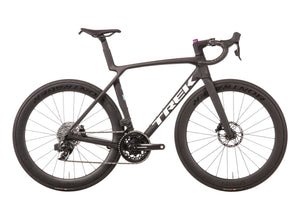
Imagine you’re gearing up for your next big cycling adventure, but you find yourself at a crossroads: should you choose an endurance road bike or a race road bike? This decision can feel overwhelming, especially with the array of options and technical terms thrown your way.
But fear not, because understanding the difference between these two types of bikes can transform your cycling experience and help you make the perfect choice for your needs. You’re not just picking a bike; you’re choosing how you want to experience the road.
Will it be a leisurely ride with comfort and stability, or an adrenaline-fueled dash with speed and agility? By the end of this article, you’ll have a clear picture of what each bike offers and how it aligns with your cycling goals. Ready to discover which bike is your perfect match? Let’s dive in and explore the exciting world of endurance and race road bikes.
Credit: www.jejamescycles.com
Bike Geometry
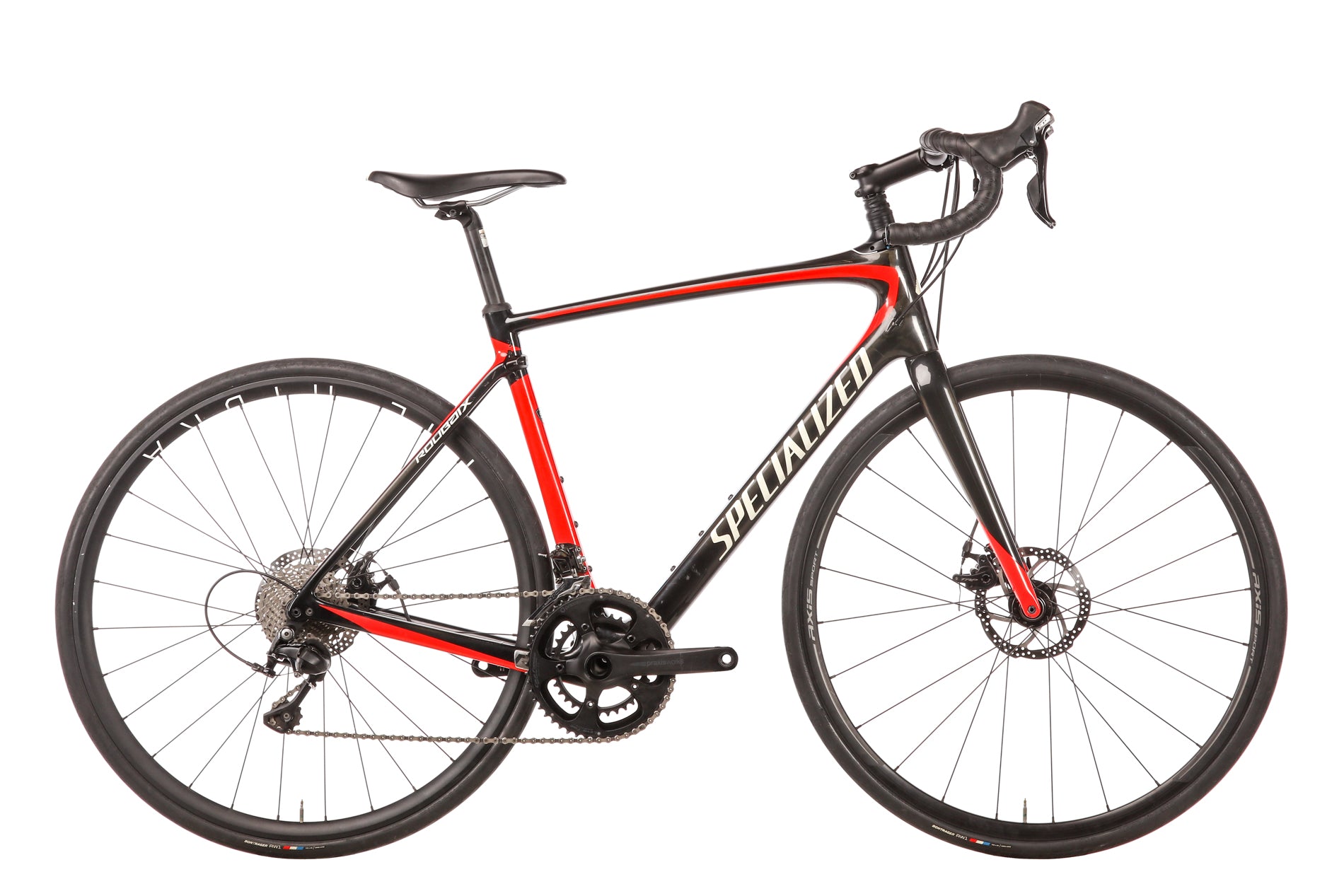
Bike geometry defines the difference between endurance and race road bikes. Endurance bikes have relaxed angles for comfort on long rides. Race bikes feature aggressive angles for speed and agility, designed for competitive cycling.
Frame Design
Endurance bikes have a more relaxed frame. This design gives comfort on long rides. Race bikes have a stiffer frame. This helps in faster speeds. Frame angles vary greatly between these bikes. Endurance bikes have slacker angles. Race bikes feature steeper angles. These angles affect handling and speed.
Handlebar Position
Handlebars on endurance bikes are often higher. This allows a comfortable ride. Race bikes have lower handlebars. This is for an aerodynamic position. The position impacts rider efficiency. More comfort means longer rides. Lower bars mean faster speeds. Choose based on your riding style.
Comfort And Ride Quality
Endurance bikes offer a smoother ride, perfect for long distances with comfort-focused design. Race road bikes prioritize speed and agility, often sacrificing comfort for performance on shorter rides.
Saddle And Seating
Endurance bikes have softer saddles. They provide more comfort on long rides. The seating position is upright. This reduces strain on the back. Race road bikes have harder saddles. These are designed for speed, not comfort. The seating is more aggressive. It helps with aerodynamics but can be uncomfortable.
Vibration Absorption
Endurance bikes absorb more vibrations. This makes the ride smoother. They have special frames and tires. Race road bikes feel every bump. They have stiff frames for speed. Vibration can be tiring on long rides. Choose wisely based on your needs.
Performance And Speed
Aerodynamicsplays a big role in bike speed. Race bikes have a sleek shape. This helps them cut through air faster. The handlebars are low, making riders bend forward. This reduces wind resistance. Endurance bikes focus more on comfort. Their shape is less aerodynamic. Riders sit more upright. This is easier on the back but slower.
Weightaffects how fast a bike goes uphill. Race bikes are usually lighter. They use carbon frames and light wheels. This makes them quick and nimble. Endurance bikes are a bit heavier. They have stronger frames for comfort. This makes them sturdy but slower on hills. Choosing the right bike depends on what you need more—speed or comfort.
Intended Usage
Endurance bikes are great for long rides. They have a comfortable design. This makes them perfect for hours of riding. The bike’s frame is more relaxed. This helps riders feel less tired. The seats are softertoo. This adds to the comfort during long trips. Endurance bikes handle bumpy roadsbetter. They have wider tires and special features. These features make long rides smootherand more enjoyable.
Race road bikes are built for speed. They are used in competitions. These bikes have a lightweight frame. This helps them move faster. The handlebars are low and narrow. This helps riders go in a fast, forward position. Race bikes have thin tires. These tires help in going really fast. They are less comfortable on bumpy roads. But they are perfect for smooth race tracks.
Component Differences
Endurance bikes have gear ratios for comfort. They are easier on hills. Race bikes have tighter gear ratios. This helps with speed. Riders can pedal faster and harder. Endurance bikes offer smooth rides. Race bikes focus on quick movements.
Endurance bikes often use disc brakes. These brakes work well in wet weather. They provide strong stopping power. Race bikes might have rim brakes. Rim brakes are lighter and good for speed. Disc brakes add weight but enhance control. Rim brakes offer a lighter feel.

Credit: www.bikeradar.com
Durability And Maintenance
Endurance bikes are made for long rides. They use strong materials. Carbon fiber and aluminum are common. These materials are light and tough. Race road bikes focus on speed. They use lighter materials. This makes them faster, but less strong. Endurance bikes handle rough roads better. Race bikes might need more care.
Endurance bikes need less maintenance. They are built to last. Race bikes need more care. They have high-tech parts. These parts need regular checking. Keeping them clean is important. This makes them work well. Endurance bikes are easier to fix. Race bikes might need special tools. Regular checks keep both bikes safe.
Cost Considerations
Endurance bikes often cost less than race bikes. These bikes are for comfort. Race bikes are designed for speed and performance. This makes them more expensive. Endurance bikes typically start at a lower price point. Race bikes can reach higher prices due to advanced materials and tech.
Endurance bikes offer great comfort for long rides. They are a good choice for casual riders. Race bikes provide speed and performance. This is ideal for competitive cyclists. Each bike type offers different values. Choose based on your riding style and budget. Both types offer unique benefits. It’s important to consider what you need most in a bike.
Credit: www.theproscloset.com
Frequently Asked Questions
What Is The Difference Between Endurance And Race Road Bike?
Endurance road bikes offer a more relaxed geometry for comfort on long rides. Race road bikes focus on aerodynamics and speed with a more aggressive position. Endurance bikes typically have wider tires for stability, while race bikes have narrower tires for reduced weight and increased efficiency.
What Are Endurance Road Bikes For?
Endurance road bikes are designed for long-distance comfort. They offer a relaxed geometry, absorbing road vibrations. These bikes improve stability and reduce fatigue on extended rides. Ideal for cyclists seeking a smoother, more comfortable experience on varied terrains. Perfect for both recreational and competitive long-distance cycling.
What Is The Difference Between Race And Endurance Bike Position?
Race bike positions are aggressive, with lower handlebars for aerodynamic efficiency. Endurance bike positions are relaxed, with higher handlebars for comfort during long rides.
What Is The Difference Between Performance And Endurance Bikes?
Performance bikes are designed for speed and agility with a lightweight frame. Endurance bikes prioritize comfort and stability for long-distance rides, featuring a more relaxed geometry. Both types cater to specific cycling needs, offering unique advantages based on the rider’s goals and preferences.
Conclusion
Choosing between endurance and race road bikes depends on your needs. Endurance bikes offer comfort for long rides. They absorb shocks from rough roads. Race bikes focus on speed and agility. They’re perfect for competitive cyclists. Consider your riding style.
Think about your goals. Evaluate the terrain you usually ride. Each type has unique benefits. Both serve different purposes for cyclists. Selecting the right bike enhances your cycling experience. Make an informed decision. Enjoy your rides to the fullest.



