
Are you curious about how to get the most out of your road bike? One crucial aspect that often gets overlooked is the gear ratio.
Understanding road bike gear ratios can transform your cycling experience, making it smoother, faster, and more efficient. Imagine pedaling up a steep hill without feeling like you’re lifting weights, or cruising down the road with just the right amount of resistance.
This isn’t just a dream—it’s the reality when you master your bike’s gear ratio. You’ll discover how gear ratios work, why they matter, and how you can adjust them to suit your riding style and terrain. Get ready to unlock the secrets behind a better ride and feel the difference every time you hit the road.
Gear Ratio Basics
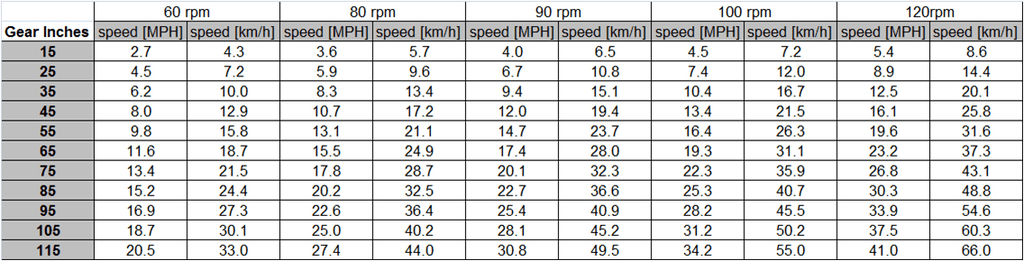
Gear ratio means how bike gears work together. It is the number of teeth on the chainring divided by the teeth on the rear cog. This decides how hard or easy it is to pedal. Smaller gear ratios make pedaling easier. Larger ratios need more strength. Cyclists change gears for hills and speed.
Gear ratios are important for smooth riding. They help cyclists control speed and effort. Proper gear ratio gives a comfortable ride. It helps save energy on long rides. Choosing the right gear ratio is key. It impacts performance and enjoyment. Cyclists should understand their bike’s gear ratios.

Credit: cykelcenter.eu
Components Affecting Gear Ratios
The crankset connects the pedals to the bike. It has two or three chainrings. These chainrings have different sizes. Bigger chainrings make pedaling harder but faster. Smaller chainrings are easier to pedal. Choosing the right cranksethelps in different terrains.
The cassette is at the back wheel. It has many gears called sprockets. More sprockets mean more choices for speed. Small sprockets are for fast riding. Large sprockets are for slow, uphill rides. The cassette works with the crankset to change speed.
Chainrings are part of the crankset. They look like round wheels. They help the chain move. More teeth on a chainring make it harder to pedal. Fewer teeth make it easier. Chainrings and the cassette work together for smooth rides.
Calculating Gear Ratios
Gear ratio is key for bike speed and ease. To find it, divide the number of teeth on the chainring by the number of teeth on the rear cog. This gives the gear ratio. A higher ratio means more speed. A lower ratio means easier pedaling.
| Chainring Teeth | Rear Cog Teeth | Gear Ratio |
|---|---|---|
| 50 | 10 | 5.0 |
| 40 | 20 | 2.0 |
| 30 | 15 | 2.0 |
Different ratios suit different terrains. Steep hills need lower ratios. Flat roads benefit from higher ratios.
Choosing The Right Gear Ratio
Understanding road bike gear ratios is essential for efficient cycling. The right gear ratio balances speed and effort, enhancing your ride. Tailoring gear ratios helps adapt to various terrains and personal fitness levels.
Factors To Consider
Picking the right gear ratio is important for your bike ride. Different factors influence this choice. Consider the terrainyou will ride on. Flat roads need different gears than hills. Also, think about your cycling goals. Do you want to ride fast or climb steep hills? Your goals will guide your choice.
Terrain And Cycling Goals
Flat terrain is easy with higher gear ratios. Hills require lower gear ratios. Lower ratios make pedaling easier uphill. Choose gears that match your strength and speed. Remember, the right gear ratio makes cycling more fun and less tiring.
Optimizing Performance
Choosing the right gear ratio is crucial for speed and control. A higher gear makes pedaling harder but increases speed. A lower gear allows easier pedaling for climbing hills. Adjusting gears helps maintain steady speed on different terrains. Always check the terrain before shifting gears.
Using gears wisely conserves energyduring long rides. Lower gears require less effort, saving energy on steep climbs. Higher gears are best for flat roads and fast descents. Understanding the balance between effort and speed is key. This helps in maintaining stamina for longer rides. Shift gears smoothly to avoid energy waste.
Common Gear Ratio Setups
Road bike gear ratios vary to suit terrain and rider preference. Common setups include compact, standard, and wide-range options. These ratios balance speed and ease of pedaling, enhancing performance on different road conditions.
Standard Setups
Standard gear setups are popular with many riders. These setups often include a 53/39 chainringwith an 11-28 cassette. This setup is good for flat roads and mild hills. It offers a balance of speed and climbing ability. Riders who like to go fast choose this setup. It is simple and effective for many situations. Beginners can easily understand how it works.
Custom Configurations
Some cyclists like custom setups for specific needs. A common choice is a compact chainringlike 50/34. This is paired with a 11-32 cassette. It helps with steep hills and heavy loads. Custom setups are not the same for everyone. Riders choose based on their own style and strength. Understanding your needs can help in choosing the right setup.
Troubleshooting Gear Ratio Issues
Understanding road bike gear ratios can help resolve common cycling issues. Adjusting these ratios improves ride efficiency and comfort. Proper tuning ensures smooth transitions and optimal performance on various terrains.
Signs Of Incorrect Gear Ratios
Struggling to pedal uphill? This might mean the gear is too hard. Too much spinning on flat roads? The gear could be too easy. Feeling uneven force while pedaling? This hints at a mismatch in gear ratios. Listen for clunky sounds while changing gears. These noises can signal gear problems. Notice if the bike feels slow or sluggish. An incorrect gear ratio might be the cause. Watch out for chain slipping or jumping. These are clear signs of gear trouble.
Solutions And Adjustments
Check the bike’s gear settings and adjust as needed. Use the gear shifter to find a comfortable pedaling speed. Ensure the chain is on the right sprocket. Clean and lubricate the chain regularly. Tighten any loose gear cables. This can help improve gear shifting. Test ride the bike after each adjustment. Make sure everything feels right. If unsure, visit a bike shop for help.

Credit: www.facebook.com

Credit: medium.com
Frequently Asked Questions
What Is A Good Gear Ratio For A Road Bike?
A good gear ratio for a road bike ranges from 50/34 for the chainrings to an 11-28 cassette. This combination offers a balance between speed and climbing efficiency, suitable for various terrains.
Is 52/36 Good For Climbing?
The 52/36 chainring combo is versatile but may challenge beginners on steep climbs. Ideal for strong cyclists. Adjusting cassette ratios can help make climbing easier. Consider your fitness level and terrain before choosing.
Which Is Better, 7 Gear Or 21 Gear?
A 7-gear bike suits casual riders on flat terrains. A 21-gear bike is ideal for tackling varied terrains and offers more flexibility for climbing hills. Choose based on your cycling needs and terrain preferences.
Is A 2.75 Gear Ratio Good?
A 2. 75 gear ratio is suitable for highway driving, offering better fuel efficiency and reduced engine RPM. It’s not ideal for towing or off-road conditions, as it may lack torque. Always consider your driving needs and vehicle specifications when choosing a gear ratio for optimal performance.
Conclusion
Mastering road bike gear ratios enhances your cycling experience. Choose the right gear for your riding style. This helps with speed and efficiency. Remember, practice makes perfect. Experiment with different combinations. You’ll find what works best for you. Keep your bike well-maintained.
This ensures smooth gear shifting. A well-tuned bike means a better ride. Enjoy the journey. Happy cycling!



