
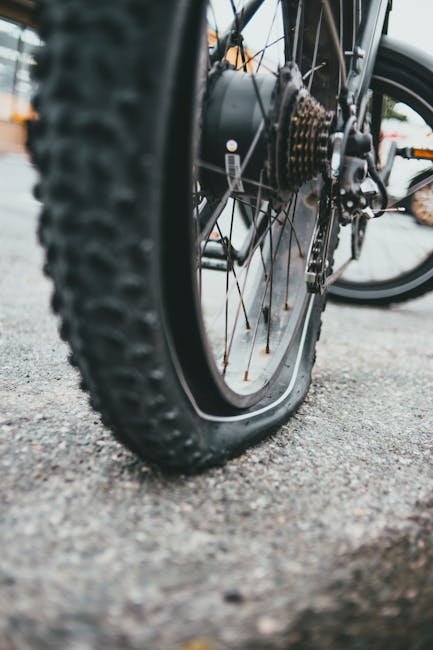
Imagine you’re gliding down a scenic route on your road bike, the wind in your hair and the world rushing by. Suddenly, you feel a jolt, and your bike wobbles.
A flat tire. Panic sets in. But don’t worry! Knowing how to fix a flat tire on your road bike is a skill that will save your ride and your day. This guide will empower you, equipping you with step-by-step instructions to tackle this common cycling hiccup with confidence.
Whether you’re a seasoned cyclist or new to the world of biking, learning this essential skill will keep your adventures rolling smoothly. Stay with us, and by the end of this article, you’ll feel prepared and ready to handle a flat tire like a pro. Your next ride awaits!
Tools Needed
Fixing a flat tire requires specific tools. A tire lever helps remove the tire. It is essential for changing tires. A spare tube replaces the damaged one. Ensure it fits your bike. A pump inflates the new tube. Check if it’s compatible with your valve type. Patch kits are useful for small punctures. They can save time if the damage is minor. Carry a multi-tool for adjustments. It can help with nuts and bolts. These tools make fixing flats easier.

Credit: www.youtube.com
Safety Precautions
Ensure your road bike is safely off the road before fixing a flat tire. Wear gloves to protect your hands from sharp objects. Use a reliable bike pump and tools to prevent accidents.
Important
Always wear a helmet before fixing a tire. Check the surroundings for traffic. Make sure it’s safe. Move to a safe area away from cars. Use bright clothes for visibility. Keep tools handy. Gloves can protect your hands. Avoid working in the dark. Use a flashlight if needed. Tell someone about your location. It’s better to have a friend nearby. Carry a phone for emergencies. Stay calm and focused. Safety comes first in every situation. Follow these steps to ensure safety.
Removing The Wheel
First, make sure your bike is on a safe surface. Turn your bike upside down. This helps you work more easily. Next, release the brakes. This will allow the wheel to come off smoothly. Use a wrench if your bike has bolt-on wheels. If your bike has quick-release levers, simply open them. Pull the wheel out carefully. Hold the bike frame steady. Make sure not to damage the chain. Be gentle when removing the wheel. Remember, the back wheel might be tricky. It has gears and a chain. Handle them with care. Practice makes perfect.

Credit: www.tiktok.com
Deflating The Tire
First, make sure your bike is stable. It should not move or fall. Find the valveon the tire. You need to open it. Turn the valve cap to the left. This will take it off.
Press the valve to release the air. You will hear a hissing sound. Hold it until the tire is flat. Make sure all air is out. This step is important.
Check the tire. It should feel soft and flat. If not, press the valve again. Ensure no air is left inside. Now, you are ready for the next step.
Removing The Tire
First, take your bike off the road. Find a safe spot. Make sure you have a bike pump. Have tire levers ready. Loosen the wheel’s quick release lever. Lift the bike’s wheel from the frame. Place the bike on its side. This helps avoid damage.
Use the tire levers to lift the tire. Start at one point and work around. Be gentle to avoid damage. Once the tire is loose, remove it. Check the inner tube for holes. Feel with your fingers for sharp bits. These can cause flats. If you find any, remove them. Now you’re ready to fix the tire.
Inspecting The Tube
Check the tube for any visible holes or tears. Gently run your fingers along the tube. Feel for any sharp objects sticking out. Look for any signs of wear or damage. Even tiny holes can cause a flat. Remove any debris carefully. Avoid using sharp tools to prevent more damage. Inflate the tube slightly to hear any hissing sounds. This helps find hidden punctures. Mark any damaged areas with a pen. This makes it easier to fix later.
Patch Or Replace
Deciding to patch or replace depends on the tire damage. A small hole can be fixed with a patch. Patching is quick and cheap. It can be done with a patch kit. Follow the instructions on the kit carefully. Clean the area before applying the patch. A larger cut or tear may need a new tire. Replacing the tire ensures safety. It also ensures a longer ride. Make sure to have a spare tire ready. Always carry a patch kit on your rides. This helps in emergencies.
Reinstalling The Tire
Reinstalling the tireis an important step. First, check the tire for any damage. Make sure the tire is clean and dry. Align the tire with the rim correctly. Push one side of the tire onto the rim. Ensure it fits snugly without gaps.
Next, work on the opposite side. Use your thumbs to press the tire onto the rim. Be careful not to pinch the tube. Check that the tire sits evenly around the rim. Spin the wheel to ensure the tire is straight. If it wobbles, adjust it again.
Finally, inflate the tire slowly. Watch for any bulges or uneven spots. Check the tire pressure with a gauge. Make sure it matches the recommended level. If everything looks good, reinstall the wheel on the bike. Tighten the axle securely. You’re now ready to ride again!
Inflating The Tire
First, check the tire for any small holes or tears. If you find one, it needs fixing. Use a patch kit to cover it. After fixing, grab your bike pump. Attach it to the tire valve. Make sure it’s tight. Pump the air in slowly. Watch the tire as you pump. It should become round and firm.
Check the pressure often. Use a pressure gauge if available. Most road bikes need about 80-130 PSI. Be careful not to overinflate. This can cause the tire to burst. Once done, remove the pump. Tighten the valve cap back on. Your tire should be ready to roll again!

Credit: www.youtube.com
Reattaching The Wheel
Make sure the tire is in the right direction. Hold the wheel between the bike’s fork or frame. Align the wheel with the frame’s dropouts. Gently lower the frame onto the wheel axle. Ensure the wheel is centered in the frame.
For quick-release skewers, close the lever firmly. For bolt-on axles, tighten the nuts securely. Spin the wheel to check for wobbles. Adjust if needed, so the wheel spins smoothly. Attach the brake calipers back onto the wheel. Squeeze the brake levers to ensure they work. Finally, make sure everything feels stable and secure. You’re ready to ride again.
Checking The Repair
Ensure the tire is fully inflated. Check if the tire holds air. Spin the wheel slowly. Look for any wobbles or bulges. These are signs of trouble. Feel the tire for smoothness. Make sure there are no bumps or lumps. Listen for any hissing sounds. This could mean a new leak. Hold the bike upright. Test the tire by pressing it. It should feel firm and strong.
Ride a short distance. Check if the bike feels stable. See if the tire rolls smoothly. If there are any issues, stop. Repeat the repair steps. Safety is very important. Never ride with a bad tire.
Frequently Asked Questions
Can You Ride A Road Bike On A Flat Tire?
Riding a road bike on a flat tire is unsafe and can damage the wheel. It’s best to repair or replace the tire before riding. A flat tire affects handling and increases the risk of accidents. Always maintain proper tire pressure for a safer and smoother cycling experience.
Can You Fix A Bike Puncture Without Removing The Wheel?
Yes, you can fix a bike puncture without removing the wheel. Use a repair kit to patch the tube while it’s still on the bike. Ensure you locate the puncture, clean the area, and apply the patch properly for a secure fix.
This method saves time and effort.
How To Fix A Flat Bike Tire Without A Patch?
Remove the tire and inner tube. Find the hole and clean the area. Use duct tape or super glue to cover the hole. Reinstall the tube and tire. Inflate the tube to check for leaks. This temporary fix works best for short distances.
Consider replacing the tube soon.
How Much Is It To Fix A Flat Tire On A Bicycle?
Fixing a flat bicycle tire typically costs between $10 and $20. Prices vary based on location and service provider. DIY repair kits are cheaper, usually around $5. Always check for additional costs, like tube replacement or labor fees, which might increase the overall price.
Conclusion
Fixing a flat tire on your road bike is straightforward. Always carry a spare tube and a pump. Check your tire for sharp objects. Remove the wheel and deflate the tire. Carefully take out the tube. Inspect the tire for damage.
Replace the tube and inflate it. Reattach the wheel securely. Practice helps you fix flats quickly. These steps keep your ride smooth and safe. Stay prepared for unexpected flats. Regular tire checks prevent frequent issues. Enjoy your cycling journey with fewer interruptions.
Keep riding confidently with these simple tips.



