
Choosing the right road bike grips can make or break your cycling experience. Imagine cruising down your favorite trail, feeling in perfect harmony with your bike.
Your hands are comfortable, your grip is secure, and every mile feels effortless. This isn’t just a dream—it’s the reality that the right grips can provide. But with so many options out there, how do you find the perfect fit for you?
Your hands deserve comfort, control, and confidence on every ride. The right grips can enhance your performance, reduce fatigue, and even prevent injuries. In this guide, we’ll break down what you need to look for when choosing road bike grips, so you can enjoy every ride to the fullest. Keep reading to discover the secrets to a more enjoyable and efficient cycling experience.
Importance Of Road Bike Grips
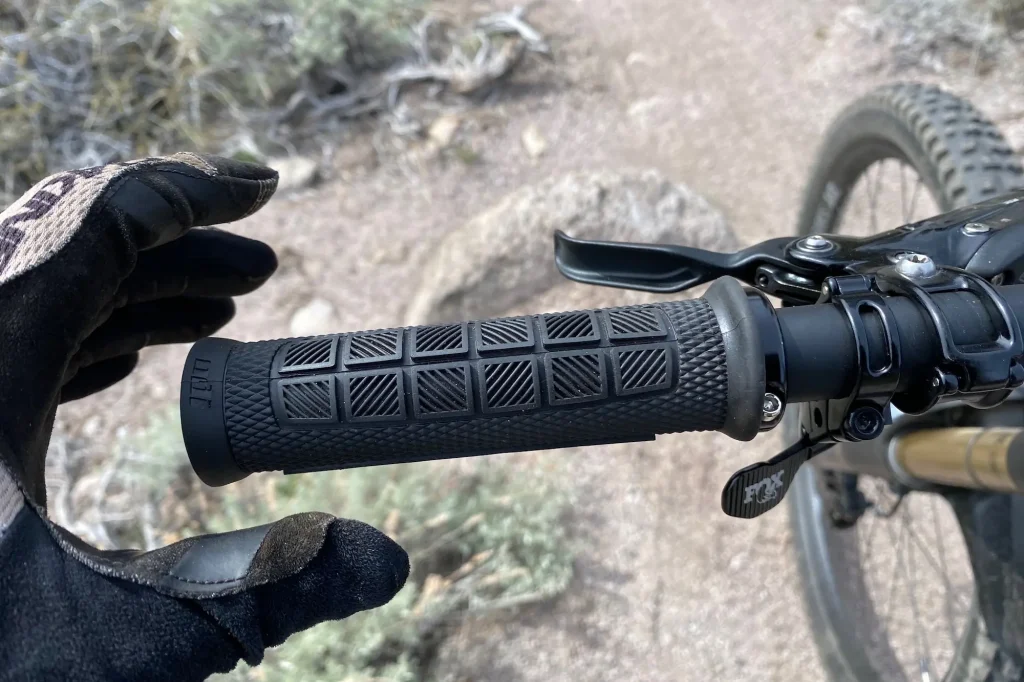
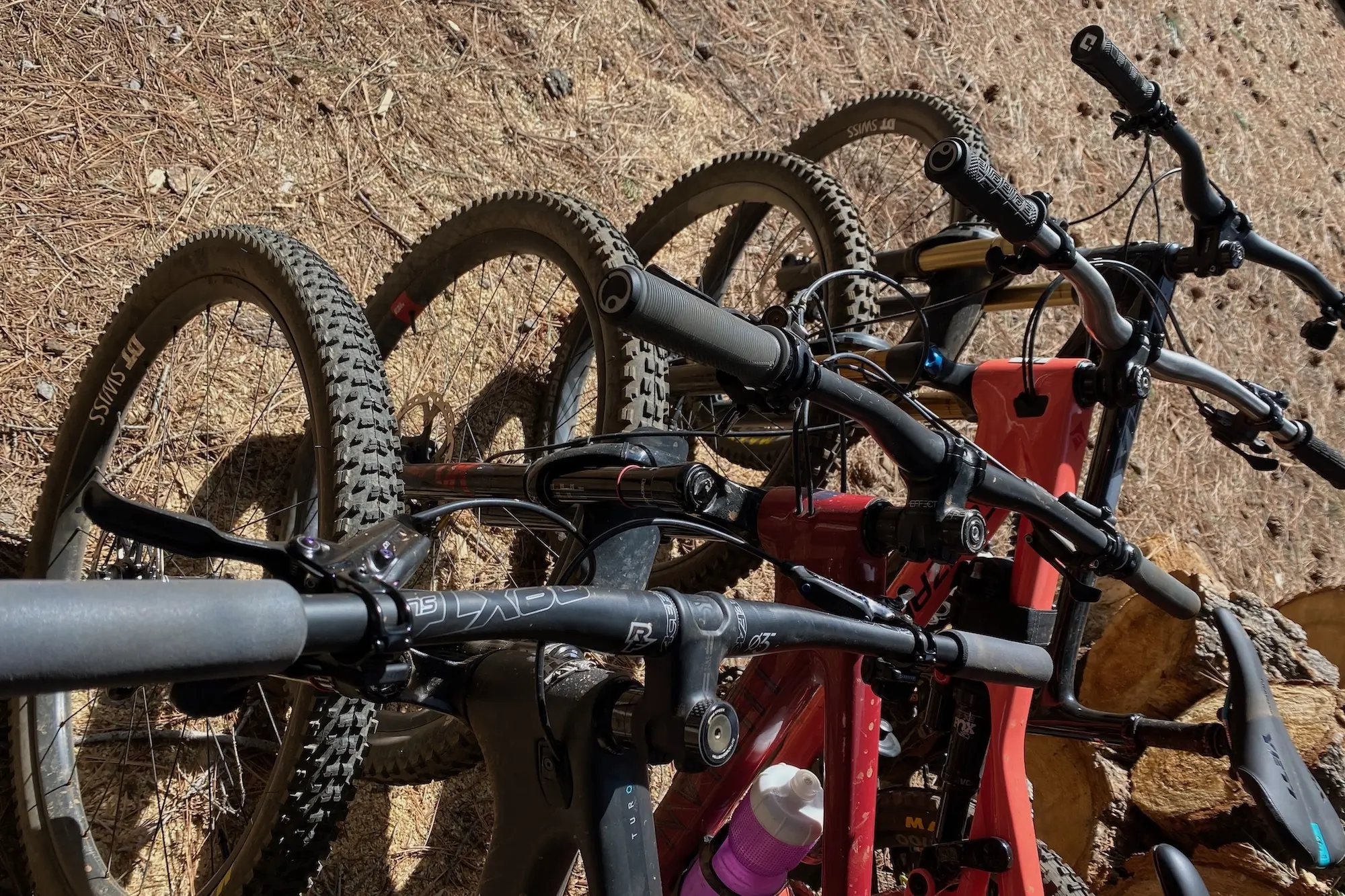
Bike gripsare key for comfort and control. They help keep your hands steady. Good grips can reduce hand fatigue. They protect your hands from vibrations. Materialis important. Rubber grips are soft and comfy. Foam grips are light and cushiony. Sizematters too. Choose grips that fit your hands well. This helps in holding the handlebars firmly. Check grip texture. Textured gripsoffer better hold. Smooth grips can be slippery. Think about grip color. Bright colors can look cool. Dark colors hide dirt better. Priceis also a factor. High-quality grips can be costly. But they last longer and feel better. Cheap grips may wear out fast. So, invest wisely for a better ride.
Types Of Road Bike Grips
Foam grips are lightweightand soft. They are good for long rides. Foam grips give comfortto your hands. They absorb shock well. They may wear down quickly.
Gel grips offer great comfortand cushioning. They are ideal for bumpy roads. Gel grips reduce hand fatigue. They can be a bit sticky. They might get slippery when wet.
Leather grips are durableand stylish. They provide a classic look. Leather grips offer a firm hold. They can be expensive. They require regular careto maintain.
Rubber grips are affordableand easy to find. They provide a good grip. Rubber grips are water-resistant. They might feel hard over time. They are perfect for daily use.
Factors To Consider
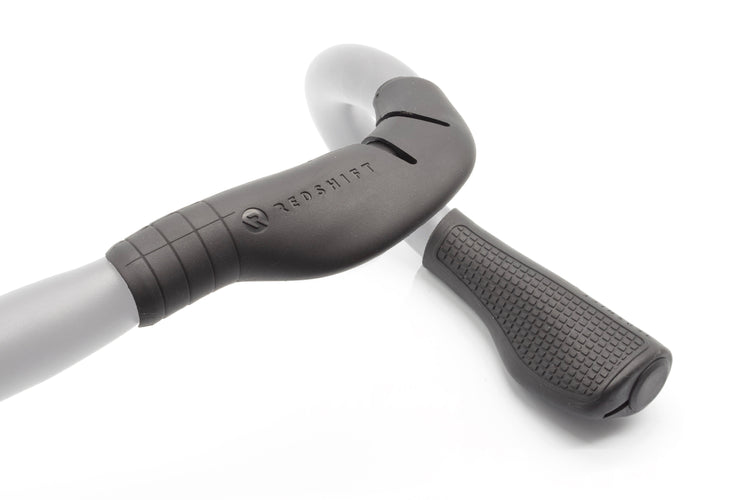
Grips should feel soft in your hands. They should not cause pain. Ergonomic designs fit your hand shape. This can prevent hand strain. Some grips have special padding. This helps absorb shock. Choose grips that feel right for you.
Strong grips last longer. Rubber and silicone are common materials. They are tough and flexible. Check for wear signs often. Durable grips are good for long rides. They should not tear easily.
Grips need to handle all weather. Rain can make grips slippery. Some grips have a textured surface. This helps with grip in wet conditions. Sun can make some grips fade. Choose weather-resistant grips for more safety.

Credit: www.allmountainstyle.com
Grip Size And Fit
Choose grips that match your handlebar diameter. Measure your handlebars first. Most bars are 22.2 mm. This is a common size. Some grips can stretch a bit. Make sure they fit snugly. Loose grips are unsafe. They can slide during rides. Check grip packaging for size info.
Grip thickness affects comfort and control. Thicker grips offer more cushioning. They are good for long rides. Thin grips provide better feel for the bike. Decide based on your comfort needs. Test different thicknesses if possible. Your hands should feel relaxed. Avoid grips that cause pain or numbness.
Installation Tips
- Allen wrench
- Screwdriver
- Lubricant spray
- Clean cloth
First, remove the old grips carefully. Use the screwdriver if needed. Next, clean the handlebars with a clean cloth. Make sure they are dry. This helps the new grips stick well.
Spray a little lubricant inside the new grips. This makes them slide on easily. Hold the grip firmly and push it onto the handlebar. Make sure it is straight and even.
Finally, tighten the grip with the Allen wrench. Check if they are secure. If needed, adjust them for comfort. Now, your bike is ready for a ride!
Credit: gearjunkie.com
Maintenance And Care
Selecting the right road bike grips involves considering grip material, size, and comfort. Ensure they fit your handlebar type and provide a secure hold. Look for grips that absorb shock and reduce vibration for a smooth ride.
Cleaning Tips
Keep bike grips clean for better performance. Use a soft cloth and mild soap. Gently wipe grips to remove dirt. Rinse with clean water and dry thoroughly. Avoid harsh chemicals as they damage grips. Regular cleaning keeps grips fresh and long-lasting.
Wear And Tear Signs
Check grips for cracks or splits. Look for faded colors or fraying ends. Grips should feel firm, not slippery. Replace grips showing damage for safe riding. Regular inspection ensures better control while cycling.
Popular Brands And Models
Finding the right road bike grips doesn’t need to be costly. Brands like Bontragerand Ergonoffer quality options. They are durable and comfortable. These grips fit most bike handlebars easily. Velois another good choice for tight budgets. They have soft and grippy surfaces. Keep your hands steady on any ride. Choose these for great value and performance.
For those who want the best, consider Brooksand Fizik. These grips use high-end materials. They offer top-notch comfort and style. Brooksgrips are made with leather. They add a classic look to your bike. Fizikgrips are sleek and modern. They use advanced technology for better grip. These brands are perfect for serious cyclists.
Choosing Grips For Specific Needs
For long rides, comfort is crucial. Look for grips with extra cushioning. Soft materials help reduce hand fatigue. Ergonomic designs fit natural hand positions. Gel grips can absorb vibrations well. They provide a smooth ride on rough paths.
In racing, speed and control matter most. Choose grips with firm textures for better grip. Lightweight materials reduce bike weight. Thin grips allow precise handling. Consider grips with anti-slip surfaces for wet conditions. These features help in tight turns and fast rides.
Urban rides need versatility. Look for grips that are durable. Weather-resistant materials work well in rain or shine. Choose grips with easy cleaning surfaces. Comfortable grips make short rides enjoyable. Reflective designs can enhance visibility in traffic. They keep safety in mind.
Credit: redshiftsports.com
Frequently Asked Questions
How Do I Know What Grips Fit My Bike?
Measure your handlebar’s diameter to know what grips fit your bike. Most handlebars are 22. 2mm. Check the grip length required for your bike. Visit a bike shop for personalized advice. Always consider your riding style and comfort preferences when choosing grips.
How To Choose Bike Handlebar Grips?
Choose bike handlebar grips by considering material, comfort, grip texture, and durability. Ensure the grips fit your handlebar size.
How To Choose A Road Bike Handlebar?
Choose a handlebar based on your riding style and comfort. Consider width, drop, reach, and material. Test different shapes for grip and control. Ensure compatibility with your bike and accessories. Prioritize ergonomic designs for long rides.
Why Do Xc Racers Use Foam Grips?
XC racers use foam grips for lightweight comfort and shock absorption. These grips enhance control and reduce fatigue during long rides. Foam grips provide a secure hold, especially in wet conditions, improving rider safety. Their ergonomic design helps prevent blisters, making them ideal for intense cross-country racing.
Conclusion
Choosing the right road bike grips boosts your cycling comfort. Consider material, thickness, and texture for a personalized feel. Test different options to find what suits your hands best. Remember, grips should enhance your control and reduce hand fatigue. Prioritize comfort and safety while riding.
A well-chosen grip makes your cycling experience more enjoyable. Stay focused on your needs and preferences. Invest time in selecting the best fit for you. Happy cycling!



