
Imagine the thrill of conquering a steep hill on your road bike, the satisfaction of reaching the summit, and the exhilaration of the descent that follows. But let’s be honest—climbing can be one of the toughest parts of cycling.
It tests your legs, your lungs, and sometimes even your resolve. If you’ve ever found yourself struggling halfway up, you know how crucial it is to master climbing techniques. You’ll discover road bike climbing techniques that can transform your uphill rides from daunting to delightful.
Whether you’re tackling a challenging mountain pass or just aiming to improve your speed on local hills, these tips will arm you with the knowledge to climb efficiently and confidently. So, if you’re ready to turn those grueling climbs into rewarding victories, read on—you won’t want to miss what’s next.
Credit: www.bikeradar.com
Choosing The Right Gear
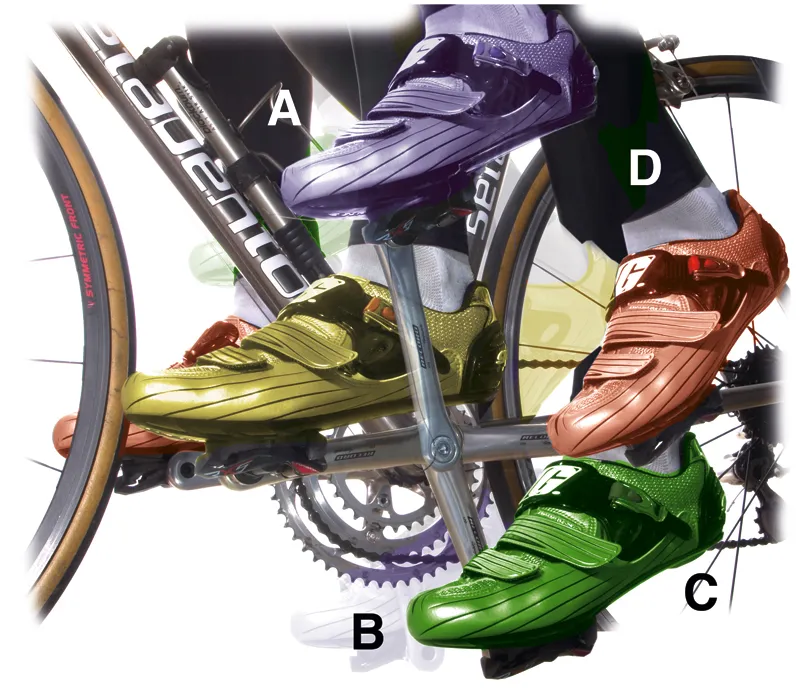
Gear ratios help you pedal efficiently. Lower ratios make it easier to climb. Higher ratios suit flat roads. Know your bike’s gears. Try different settings. Find what feels best. Use lower gears for steep hills. Higher gears for gentle slopes. Experiment to discover comfort. Gear choice matters for energy. Save energy on long climbs.
Adjust gears based on the terrain. Steep hills need low gears. Flat roads need high gears. Shift gears smoothly. Sudden changes can cause problems. Listen to your bike. Feel the pedals. Adjust as needed. Keep your ride smooth. Protect your knees. Use gears wisely. Stay comfortable on every ride.
Credit: www.bicycling.com
Body Positioning
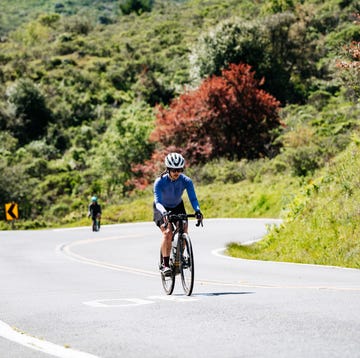
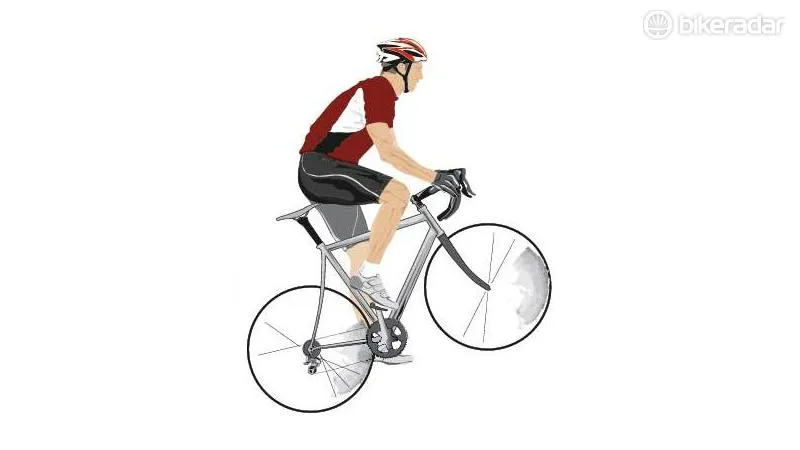
Seated climbinghelps save energy. It is great for long climbs. Keep your back straight. Bend your elbows a bit. This helps in handling bumps. Use your core muscles. They give extra power.
Standing climbingis powerful. It gives quick speed. Move your body weight forward. Stand on pedals with strong legs. This is useful on steep roads. Both styles have their place. Choose based on the climb.
Balance keeps you safe. Keep your head up. Look ahead. This helps in staying stable. Hold the handlebars gently. Do not grip too tight. It may tire your arms. Shift your weight smoothly. It keeps the bike steady. Practice makes it easier.
Pedal Stroke Efficiency
Smooth pedalinghelps in climbing hills easily. It means keeping your legs moving in circles. This avoids wasting energy. A choppy pedal strokestops and starts. It makes climbing harder. Try to keep a steady rhythm. This rhythm helps maintain balance and speed. Practice makes pedaling smooth.
Even power distributionis key for climbing. Push with the front foot. Pull up with the back foot. This balances the effort. Too much push wastes energy. Too much pull tires muscles. Find the right balance. It makes the ride easier. Practice this during training rides.
Breathing Techniques
Good breath control is very important for climbing. It helps you go further. Take deep breaths with your nose. Let air fill your belly, not just your chest. This gives your body more oxygen. More oxygen means more energy. Try to breathe out slowly. This keeps your heart calm.
Rhythmic breathing keeps your energy steady. Match your breath to your pedal strokes. For example, breathe in for two pedals. Breathe out for two pedals. This pattern helps you stay relaxed. It also helps you focus. Practice this often, and it will become a habit. You will climb better and feel good.
Mental Strategies
Mental strategies can significantly enhance your road bike climbing techniques. Focus on steady breathing to maintain a calm mindset. Visualize reaching the top to boost motivation and endurance.
Visualization Techniques
Imagine yourself riding up the hill smoothly. Picture every pedal stroke. See yourself at the top, feeling proud. This helps your mind focus on success. Feel the wind in your hair. Hear the birds chirping as you climb. Use your senses to make it real.
Positive Self-talk
Tell yourself you are strong. Repeat positive words like “I can do this.” Encourage yourself when the climb gets tough. Say, “Keep going, you’re almost there.” These words boost your confidence. Remind yourself of past successes. Believe in your strength.
Training Regimens
Interval training is a great way to get stronger. It involves riding fast and slow. Start with a short sprint. Then, ride at a gentle pace. Repeat these steps several times. This makes your muscles work hard. It helps your body get used to climbing. You will feel more energy on hills. Remember to rest between sessions. Rest helps muscles grow strong.
Building strength is important for climbing. Some exercises can help. Squats make your legs strong. Lunges work well too. Push-ups build upper body strength. Try using light weights at first. Lift them slowly and carefully. Do these exercises two times a week. This helps make your body stronger. Strong muscles mean easier climbs.
Nutrition And Hydration
Eating the right foods gives you strength. Carbs are like fuel for your body. Choose whole grains like bread or rice. They give you long-lasting energy. Proteins are also important. Eggs or chicken help build strong muscles. Fruits are good too. They have vitamins and keep you healthy. Try bananas or apples. Avoid heavy or greasy foods. They make you feel slow and tired.
Drinking water keeps you fresh and alert. Always carry a water bottle. Sip water regularly, not just when thirsty. Dehydration can make you feel dizzy. Sports drinks can help too. They have salts and sugars. These drinks replace lost minerals. Don’t drink too much at once. That can upset your stomach. Balance is key for feeling your best.
Handling Weather Conditions
Hot weathercan tire you quickly. Drink lots of waterto stay cool. Wear light clothes to keep your body fresh. Start your climb early in the morning. The sun is not as strong then. Take breaks in the shade to rest. Check the weather before you ride. Avoid the hottest days.
Wind can be tricky when riding uphill. Lean forwardto stay balanced. Use a lower gear for better control. Windcan change directions. Stay alert to keep your balance. Ride with a friend for support. Take turns leading to save energy. Keep your eyes on the road.
Credit: www.bikeradar.com
Frequently Asked Questions
How To Get Better At Climbing A Road Bike?
Improve climbing by maintaining a steady cadence and using lower gears. Build leg strength with targeted exercises. Practice interval training to increase endurance. Focus on maintaining good posture and breathing techniques. Regularly ride challenging terrains to enhance skills and confidence.
How To Go Uphill On A Road Bike?
Shift to a lower gear before the climb. Maintain a steady cadence and distribute your weight evenly. Keep your upper body relaxed, and use your core muscles for stability. Stand occasionally to give your legs a break. Practice regularly to improve endurance and technique.
Why Do I Struggle Cycling Uphill?
Cycling uphill is challenging due to steep gradients, requiring more leg power and endurance. Improve with regular training, proper gear, and pacing strategies. Maintain a balanced diet and hydration for better stamina. Adjusting your bike’s gears can also help tackle tough climbs more efficiently.
How Do I Get Better At Cycling Uphill?
Improve uphill cycling by increasing leg strength through targeted exercises. Practice climbing hills regularly for better endurance. Use appropriate gears to maintain a steady pace. Focus on efficient breathing techniques. Maintain a balanced diet for optimal energy levels.
Conclusion
Conquering hills on a road bike can be challenging yet rewarding. Practice makes progress. Focus on your breathing and maintain a steady pace. Remember to shift gears early. This ensures smooth climbs. Keep your body relaxed and balanced. Proper posture helps conserve energy.
Hydration and nutrition are vital for endurance. Stay motivated and enjoy the ride. With these techniques, you’ll improve over time. Each climb builds strength and confidence. Happy cycling!



