
Are you ready to conquer the trails, rain or shine? If you love mountain biking, you know how exhilarating it can be, but you also know how unpredictable the weather can get.
Imagine hitting the trails, only to be held back by rain, mud, or even snow. Your bike deserves better, and so do you. Weatherproofing your mountain bike is not just about keeping it clean; it’s about ensuring peak performance, no matter what Mother Nature throws your way.
This article is here to guide you through practical, easy-to-follow tips that will keep your bike in top shape, ready to tackle any weather condition. From the simplest hacks to essential gear, you’ll learn how to protect your bike and enhance your riding experience. Don’t let the weather dictate your adventures. Dive in and discover how to make your mountain bike as resilient as you are. Your next adventure awaits, and with the right preparation, there’s no stopping you.
Choosing The Right Materials
Aluminum framesare strong and lightweight. They resist rust and last long. Carbon fiberframes are lighter. They handle rough paths well. Steel frames are durable. They withstand tough weather but are heavier.
Rubber tiresgrip wet surfaces better. They offer stability on muddy trails. Tubeless tires prevent flats. They work well in rocky areas. Thick treadsprovide strong traction. They are ideal for slippery conditions.
- Fenderskeep mud off you. They protect bike parts.
- Waterproof coversshield the seat from rain.
- Handlebar gripsstay firm when wet.
- Chain guardsprevent rust. They ensure smooth rides.
Protective Coatings And Treatments
Rust can harm mountain bikes. Use anti-rust sprays to protect. They stop metal parts from rusting. These sprays create a shield on the bike. Regular use keeps the bike safe. Make sure to cover all metal parts well. This helps the bike last longer.
Waterproofing sprays keep water away. They guard the bike from rain and mud. Use the spray on the frame and seat. It keeps the bike dry in wet weather. This helps in maintaining the bike’s condition. Applying the spray is quick and easy.
Sunlight can fade bike colors. UV protection sprays are helpful. These sprays shield the bike from the sun. They keep the bike’s color bright. Spray it on all parts of the bike. This helps in keeping it looking new.
Maintenance Practices
Keep your mountain bike clean for a smooth ride. Use water and a soft cloth to remove dirt. Pay attention to the chain and gears. Dirt can damage parts over time. Dry the bike well after cleaning. This helps prevent rust. A clean bike lasts longer and performs better.
Lubricate the chain to reduce friction. Use a good bike oil for this. Apply a small amount to the chain. Wipe off any extra oil. Lubricate the brake and gear cables too. This helps them move smoothly. Regular lubrication keeps your bike in top shape.
Check the brake pads often. They must not be worn out. Replace them if needed. Ensure the brakes are tight and responsive. Test the brakes before each ride. Safety is very important. A good brake system prevents accidents. Always keep your brakes in good condition.

Credit: leoguarbikes.com
Storage Solutions
Keeping a mountain bike indoors is the safest. It protects from rain and sun. Sunlight can damage the bike’s paint. Rain can cause rust on metal parts. Outdoor storage is okay with a good cover. Make sure the cover is waterproof. Keep the bike off the ground to avoid moisture.
Choose a waterproof cover for outdoor storage. It should fit snugly over the bike. A loose cover can blow away in the wind. Use a lock to keep the cover secure. Some covers have built-in locks for extra safety. Covers also protect from dust and dirt.
Extreme heat can damage bike tires. Cold weather can make metal parts brittle. Store bikes in a place with stable temperatures. A garage or shed is a good option. Avoid placing bikes near heaters or air conditioners. This keeps the bike in good shape.
Gear And Clothing Considerations
Mountain biking demands gear that withstands the elements. Waterproof clothing keeps you dry in unexpected rain. Reliable fenders protect against mud splashes, maintaining a smooth ride.
Weatherproof Apparel
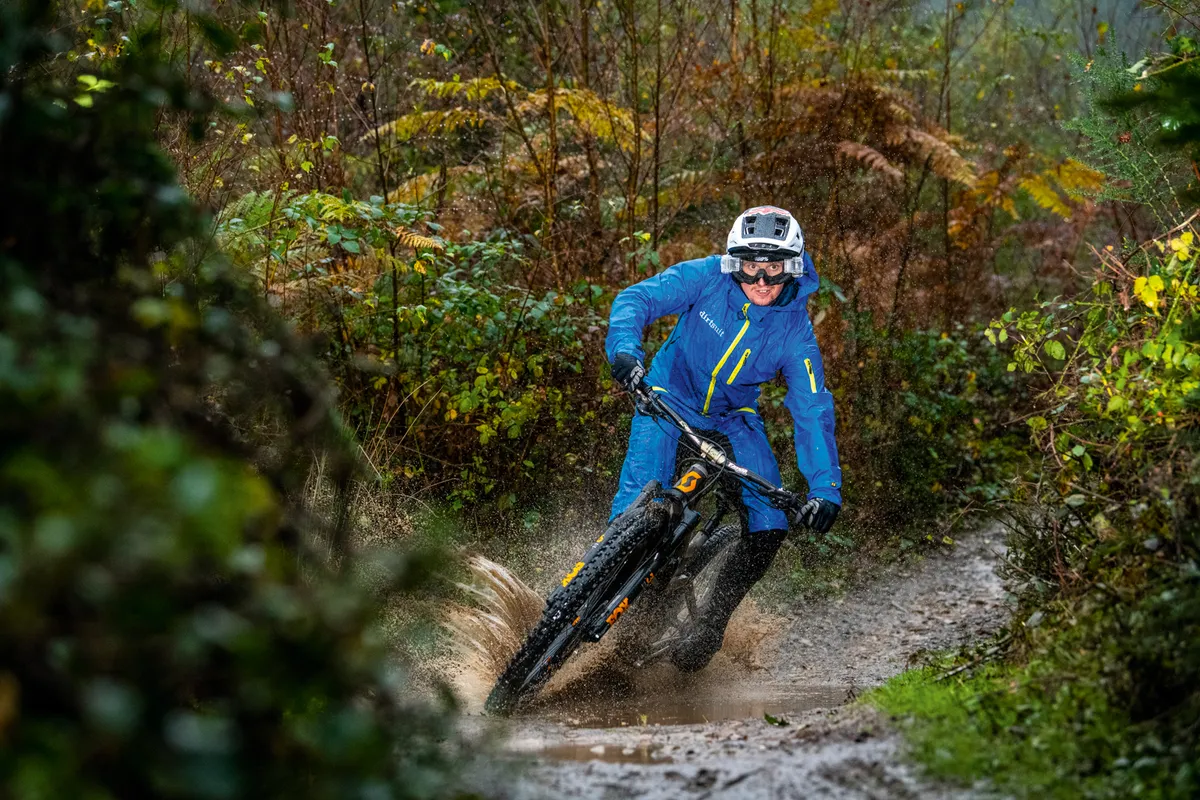
Weatherproof clothing keeps you dry and warm. Choose jackets with waterproof layers. Breathable fabric prevents sweat buildup. Pants should resist water and wind. Layering is key for comfort in changing conditions. Lightweight gloves protect hands from cold and wet. Shoe covers stop water from soaking your feet. Bright colors increase visibility in fog or rain.
Helmet And Eyewear
A good helmet shields against rain and impacts. Vents help airflow but should close in bad weather. Eyewear should resist fog and water droplets. Clear lenses are best for cloudy days. Sunglasses with UV protection guard eyes from sun glare. Adjustable straps ensure a snug fit. Look for helmets with sun visors for extra protection.
Riding Techniques For Wet Conditions
Enhance your mountain biking experience in wet weather with effective waterproofing techniques. Apply protective spray on bike components to prevent rust. Use mudguards to keep your gear clean and dry.
Handling Slippery Trails
Balance is very important on wet trails. Keep your body centered over the bike. Use your knees and elbows to absorb bumps. This helps you stay steady. Look ahead to find the safest path. Avoid sudden turns and stops. Smooth movements are key. Use your brakes gently to avoid sliding. The back brake is safer in slippery spots. Grip the handlebars firmly but not too tight. This helps you feel the trail better. Wear shoes with good grip for extra safety.
Navigating Muddy Terrain
Mud can be tricky for bikes. Pedal steadily to keep moving. Avoid deep mud puddles when possible. These can make you stuck. Shift your weight back to keep the front wheel light. This helps avoid sinking. Choose wider tires for better grip in mud. Clean your tires often to remove sticky mud. This keeps your bike moving smoothly. Always stay alert and watch the trail closely. Mud can hide rocks and holes.
Emergency Preparedness
Protecting your mountain bike from harsh weather ensures longevity. Use fenders to shield from mud and water. Apply a weather-resistant chain lubricant to prevent rust. Store your bike in a dry, sheltered place to avoid moisture damage. Keep tires properly inflated to maintain traction in wet conditions.
Repair Kits
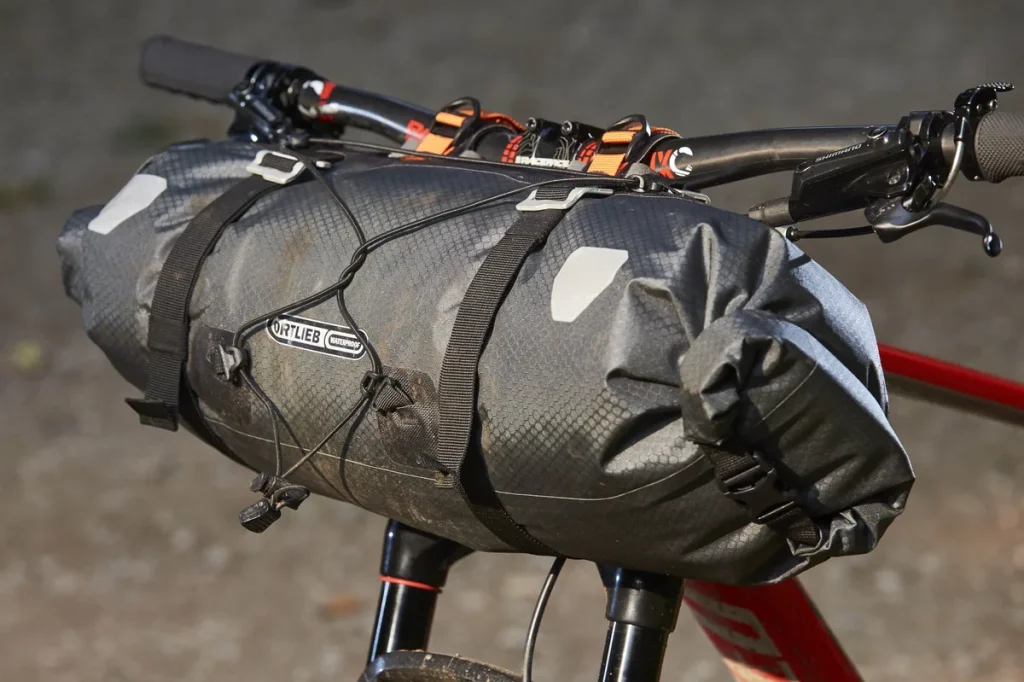
A good repair kit is crucial for mountain biking. It must include a multitoolfor quick adjustments. Always carry a spare tube and a patch kitfor punctured tires. A small hand pump is essential too. These items fit in a small bag. Attach it to your bike easily.
Safety Equipment
Safety should always be a priority. A good helmetprotects your head. Wear gloves to protect your hands. They help in gripping too. Use knee and elbow pads for extra safety. A whistle can be useful in emergencies. Don’t forget a basic first aid kit. Include band-aids and antiseptic wipes.
Credit: www.bikeradar.com

Credit: us.alpkit.com
Frequently Asked Questions
What To Wear A Mtb In The Rain?
Wear waterproof jacket, pants, and gloves. Choose quick-drying fabrics. Use weatherproof shoes or covers. Ensure good visibility with bright colors.
How Much Rain Is Too Much To Mountain Bike?
Mountain biking is risky after 1 inch of rain in 24 hours. Trails become slippery and muddy. Riding can damage trails and increase the risk of accidents. Always check local trail conditions before heading out.
How To Layer For Cold Weather Mountain Biking?
Wear a moisture-wicking base layer to keep dry. Add an insulating layer for warmth. Use a windproof outer jacket. Protect extremities with gloves, thermal socks, and a hat. Opt for breathable materials to regulate temperature. Ensure layers are lightweight and flexible for comfort.
Adjust layers based on weather conditions.
How To Protect A Mountain Bike Frame?
Apply a protective frame tape or clear vinyl wrap to shield against scratches and debris. Regularly clean the frame using a gentle soap solution. Inspect for chips or damages after rides and address promptly. Store the bike indoors to prevent environmental wear.
Use a bike cover for added protection when outdoors.
Conclusion
Mountain biking is thrilling, but weather can challenge your ride. Protect your bike with simple tips. Cover essential parts to avoid rust. Use quality lubricants for smooth operation. Choose durable tires for wet trails. Store your bike indoors to extend its lifespan.
Regular checks keep your bike ready for any weather. These efforts ensure a safer and more enjoyable biking experience. You’ll ride confidently, no matter the forecast. Embrace the adventure with a well-prepared bike. Keep your bike in top shape. Enjoy every mountain trail with peace of mind.



