

Have you ever felt a bit overwhelmed trying to shift gears on your road bike? You’re not alone.
Mastering the art of gear shifting can make a huge difference in your cycling experience. Imagine gliding smoothly through hilly terrains or accelerating effortlessly on a flat road—all by simply knowing when and how to change gears. In this guide, we’ll share essential road bike gear shifting tips designed to enhance your ride and boost your confidence.
By the end, you’ll feel more in control, and your cycling adventures will become even more enjoyable. Keep reading to unlock the secrets to a smoother, more efficient ride.
Essentials Of Gear Shifting
Gear ratioshelp control speed and effort. A low gearis best for climbing hills. A high gearis ideal for flat roads. Switching gears can make biking easier. Listen to your bike as you shift. Smooth shifts protect your bike chain.
Choosing the right gear makes biking fun. Startin a low gearon flat roads. Shift to a higher gearas you gain speed. On hills, shift down early. Avoid sudden gear changes. They can damage the bike. Practice makes gear shifting simple.
Credit: www.firefoxbikes.com
Preparing For Gear Shifts
Look ahead to see the road. Notice if it’s going uphill or downhill. Change gears before reaching a hill. This makes biking easier. Keep your eyes on the road. This helps in choosing the right gear. Anticipate changes early to avoid surprises.
Slow down before changing gears. This helps the chain move smoothly. Pedal lightly while shifting. It prevents the chain from jumping. Avoid shifting gears under heavy pressure. This can harm the bike. Practice to learn the right speed for shifting. It makes biking fun and safe.
Techniques For Smooth Shifting
Shift gears before a hill starts. This keeps pedaling easy. Don’t wait too long. Shifting too late makes it hard. Anticipate the terrain changes. Shift early on flat roads too. This keeps your speed steady. Listen to your bike’s sound. A smooth bike sound means good timing.
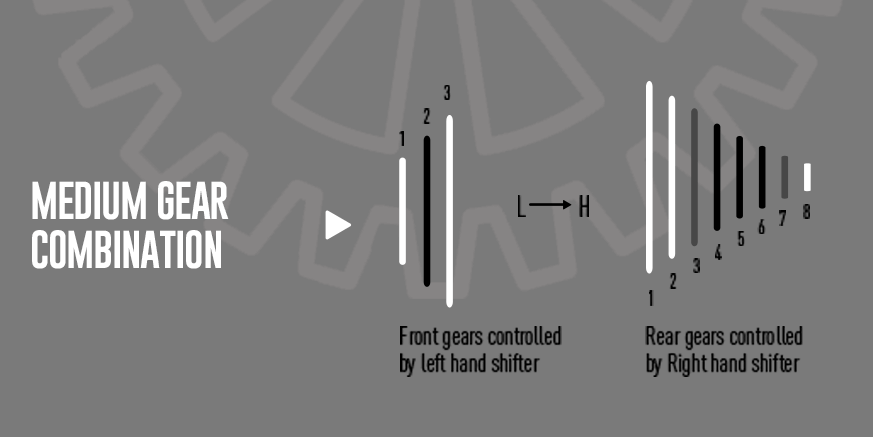
Use front derailleur for big changes. This helps with steep hills. Use rear derailleur for small adjustments. This keeps your pedaling smooth. Combine both for best results. Avoid crossing the chain too much. This can cause wear. Proper use keeps your bike in top shape.

Credit: www.youtube.com
Avoiding Common Mistakes
Keep your chainclean and well-lubricated. Dirt can cause chain drops. Check for worn parts regularly. Replace them as needed. Adjust derailleur if shifting is rough. Make sure it lines up correctly. Avoid shifting too many gears at once. This can put strain on the chain.
Cross-chaining happens when using extreme gear combinations. It causes extra wear on the chain. Use gears that keep the chain in line. For example, avoid using the smallest front gear with the smallest rear gear. Stick to middle combinations. This keeps your ride smooth and safe.
Maintaining Your Bike For Optimal Shifting
Maintaining your bike ensures smooth and efficient gear shifting. Regularly clean and lubricate the chain for optimal performance. Check derailleur alignment to prevent shifting issues.
Regular Chain Lubrication
Chain lubrication keeps your bike shifting smoothly. Apply lubricant to the chain links. Avoid using too much oil; it can attract dirt. Clean the chain before adding lubricant. Dirty chains make shifting hard. Use a cloth to wipe away excess oil. This prevents mess and ensures efficient shifting.
Derailleur Adjustments
Derailleurs help move your chain between gears. Check derailleur alignment regularly. Misaligned derailleurs cause poor shifting. Use a screwdriver to adjust screws. Tighten or loosen screws for better alignment. Ensure the chain moves smoothly over the gears. This makes riding easier and more enjoyable.

Credit: www.tiktok.com
Improving Your Shifting Skills
Try riding your bike on varied surfaces. Grass, gravel, and pavement feel different. Each surface helps you learn something new. Shift gearswhen you go uphill or downhill. Feel how the bike changes. This helps you understand your bike better. Listen to your bike. It tells you when to shift. This practice makes riding smoother. It also makes it more fun. Enjoy the ride as you learn.
A coach or expert can help you. They can show you the right wayto shift gears. You can learn faster this way. Ask questions and listen carefully. Experts have lots of tips to share. They know the tricks that work best. A few lessons can make a big difference. You will feel more confident on your bike. Shifting gears will become easy for you. Enjoy the learning process.
Frequently Asked Questions
Which Is Better, 7 Gear Or 21 Gear?
Choosing between 7 gear and 21 gear depends on your needs. 7 gear suits flat terrains and casual rides. 21 gear offers versatility for various terrains, ideal for challenging routes. Consider your cycling habits and terrain preferences for the best choice.
How To Shift Gears In A Bike Smoothly?
To shift gears smoothly, anticipate terrain changes and ease off pedaling slightly. Use your right hand for rear gears and left for front. Shift one gear at a time, allowing the chain to engage fully. Maintain a steady cadence to prevent strain on the chain and derailleur.
Is Gear 1 High Or Low?
Gear 1 is a low gear. It provides high torque for starting or climbing. Ideal for slow speeds and heavy loads.
How To Make A Bike Shift Better?
Ensure the derailleur is aligned and cables are tensioned correctly. Clean and lubricate the chain regularly. Adjust the limit screws to prevent overshifting. Replace worn-out cables and housing. Regular maintenance improves shifting performance.
Conclusion
Shifting gears smoothly boosts your biking experience. Practice often to improve. Listen to your bike’s sounds and respond quickly. Keep your chain clean for better gear changes. Always plan your shifts ahead of climbs and descents. This prevents strain on your bike.
Remember, patience is key. Over time, shifting will become second nature. Enjoy your rides and feel confident in your gear shifts. Happy cycling!



