
Choosing the right helmet for your child is more than just a safety precaution—it’s a decision that could make all the difference in their enjoyment of biking, skating, or any other thrilling adventure. You want your child to be protected without compromising on comfort or style.
But with so many options available, how do you make the best choice? This article will guide you through the essentials of selecting a child’s helmet, ensuring you have peace of mind while your child explores and plays. By understanding the key factors to consider, you’ll feel confident in your purchase, knowing that you’ve prioritized safety without sacrificing fun.
Let’s dive in and make sure your child is ready for their next adventure with the right helmet!

Credit: crazysafety.com
Helmet Safety Standards
Helmets keep kids safe. They protect the head in falls. Safety standards are important. Always check for them. Look for a sticker inside. It shows the helmet is tested. Certified helmets are safe. They meet strict rules. This ensures your child is protected. Proper fit is crucial. A helmet must fit snugly. It should not wobble or slide. Straps should be tight. But not too tight. Comfort is key. Kids should feel good wearing it. Choose bright colors for visibility. Bright colors help drivers see kids. This adds extra safety. Remember, a helmet is not a toy. It’s a safety tool. Treat it with care.

Credit: www.twowheelingtots.com
Measuring The Perfect Fit
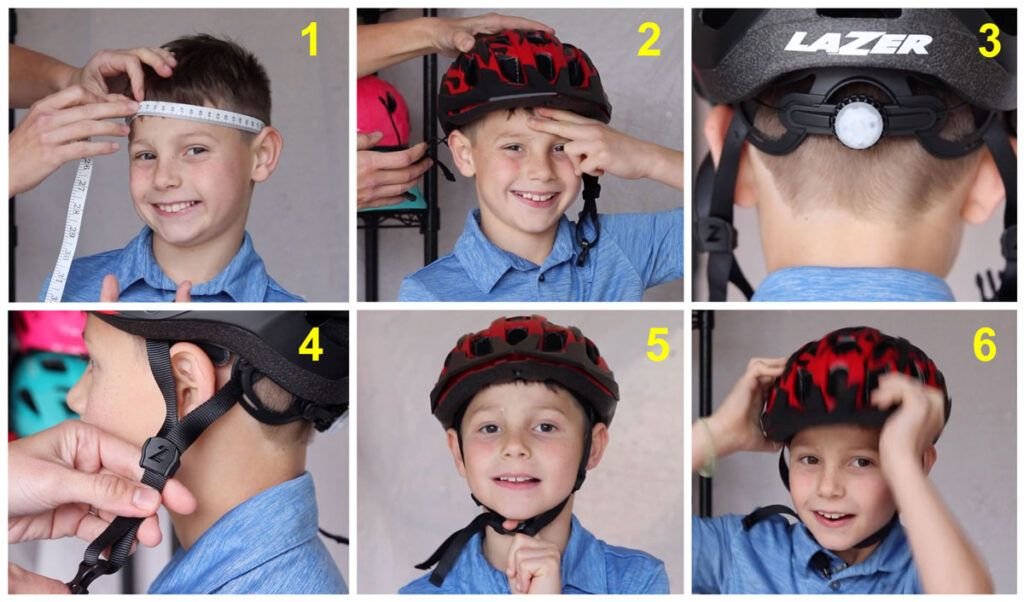
To find the right helmet, measure the child’s head. Use a soft tape measure. Start above the eyebrows and ears. Go around the head in a circle. Make sure the tape is level. Not too tight, not too loose. Write down the measurement in centimeters. This is the head size. It helps in finding a helmet that fits well.
Helmets should have adjustable straps. These help in securing the helmet. Look for a dial or buckle at the back. It allows for easy tightening. The helmet should sit snugly on the head. It should not move when the child shakes their head. Adjustments make the helmet more comfortable. They ensure a better fit as the child grows.
Material Matters
The shell is the helmet’s outer layer. It protects the head from impact. Strong shells are better for safety. Look for a shell made from ABS or polycarbonate. These materials are very durable. They can absorb hard hits. A good shell should also be lightweight. Heavy helmets can be uncomfortable for children.
The inner liner is very important too. It cushions the head during a fall. EPS foam is a common material for liners. It is soft and absorbs energy well. Make sure the liner fits snugly. A loose liner won’t protect well. Some helmets have removable liners. This makes cleaning easy. Check if the liner is washable. This helps keep the helmet fresh and clean.
Ventilation And Comfort
Helmets need good airflowto keep heads cool. Look for designs with ventsthat allow air to pass through. This helps reduce sweat and keeps your child comfortable.
Soft paddinginside the helmet is essential. It cushions the head during impact. Liners should be removablefor easy cleaning. Comfortable liners help prevent irritation. They make wearing the helmet enjoyable.
Visibility And Design
Helmets with bright colors are easy to see. They help in traffic. Kids are safer with these colors. Reflective elements add more safety. They glow in the dark. Drivers notice them quickly. A helmet with both features is best.
Children love fun designs. Helmets with their favorite cartoon are popular. Animal shapes also attract kids. These designs make them want to wear helmets. Comfort is important too. A helmet should fit well. Not too tight or loose. Always check the straps.
Credit: www.consumerreports.org
Strap And Buckle System
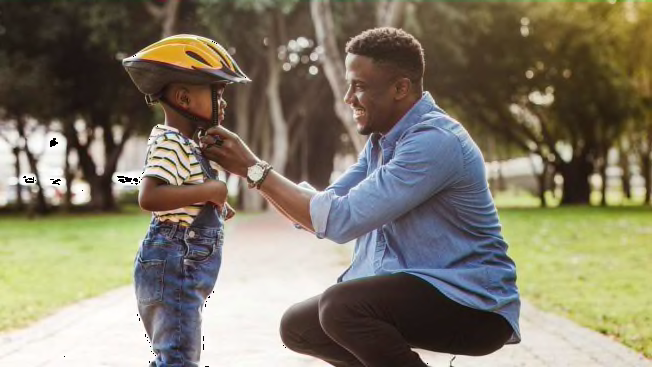
A good helmet needs a strong chin strap. The strap should fit snugly. It must not be too tight. It must not be too loose. A snug fit keeps the helmet in place. Your child will feel safe and comfy. Adjust the strap to sit right under the chin. Make sure it stays there.
The bucklekeeps the helmet secure. It should be easy to open. It should also be easy to close. But it should not open on its own. This keeps your child safe. Test the buckle before buying. Make sure it is strong and reliable. A good buckle protects your child’s head.
Helmet Maintenance
Keep your child’s helmet clean for safety. Use a soft cloth with mild soap. Avoid harsh chemicals; they can damage the helmet. Remove the padding inside and wash it gently. Let it air dry. Clean the straps to remove any dirt or sweat. Regular cleaning makes the helmet last longer. Check for cracks or damage while cleaning. A clean helmet is a safe helmet.
Replace a helmet after any big crash. Even small cracks need attention. Check for signs of wear like faded colors. Straps should not be loose. If they are, replace the helmet. A helmet over five years old might need replacing. Newer helmets meet better safety standards. Always prioritize your child’s safety.
Budget Considerations
Safety is the most important thing when buying a helmet. But cost also matters. A good helmet should protect your child. It should also fit your budget. Cheaper helmets might not be as safe. Expensive ones might have extra features. But not all of them are needed. Choose a helmet that has strong safety ratings. Look for helmets with a safety sticker. This sticker shows it passed safety tests. Find a helmet that is comfortable and affordable.
Buy helmets from places you trust. Sports stores often have good helmets. They have staff that can help. Online stores can be cheaper. But check reviews before buying. Make sure the helmet can be returned if it doesn’t fit. Avoid buying used helmets. They might have hidden damage. Always buy new helmets for best safety.
Involving Your Child
Selecting the right helmet for your child involves considering size, comfort, and safety features. Let them try different options to ensure a snug fit and appealing design. This boosts their enthusiasm for wearing it regularly.
Letting Them Choose
Children love choices. Letting them pick their helmet is fun. It gives them a sense of ownership. Show them different colors. Ask their favorite. Try various styles. Some helmets have cool designs. Others are simple. Let them try each one. Make sure the helmet fits well. It should not be too tight or loose. Comfort matters. They will wear it more willingly. Choosing together strengthens the bond. It’s a shared activity. They feel involved in the decision. Happy with their pick, they are more likely to wear it.
Educating On Safety Importance
Safety comes first. Explain why helmets are important. Helmets protect the head. Accidents can happen anytime. A helmet keeps them safe. Tell them stories. Stories make them understand better. Use simple words. Make it fun. Talk about their favorite sport stars. Stars wear helmets too. It’s cool to be safe. Safety is smart. Wearing a helmet shows you care. It’s like a superhero shield. Share facts about safety. Ask them questions. Let them ask you too. Learning together makes it interesting.
Frequently Asked Questions
What To Look For When Buying A Kids Helmet?
Choose a helmet with proper fit and adjustable straps. Ensure it meets safety standards like CPSC or ASTM. Look for durable materials and good ventilation. Select a design your child likes to encourage wearing. Regularly check for any damage or wear.
What Is The 2 2 2 Rule When Fitting A Helmet On Your Head?
The 2 2 2 rule ensures a proper helmet fit: two fingers above your eyebrows, two fingers between straps and ears, and two fingers under the chin strap. This provides safety and comfort, preventing the helmet from being too tight or too loose.
Proper fitting enhances protection during activities.
How To Size A Helmet For A Child?
Measure the child’s head circumference using a soft tape. Ensure the tape is level above the eyebrows and ears. Compare the measurement to the helmet’s sizing chart. Choose a helmet that fits snugly without being too tight. Adjust straps for a secure, comfortable fit.
What Is The 5 Year Rule For Helmets?
The 5-year rule for helmets suggests replacing them every five years. UV rays, sweat, and impacts degrade materials. Regular replacement ensures optimal safety and protection. Always check manufacturer’s guidelines for specific recommendations.
Conclusion
Choosing the right helmet for your child is crucial. Safety should always come first. Measure your child’s head for a proper fit. Look for helmets with safety certifications. This ensures they meet standards. Ventilation is important for comfort. A helmet that feels good will be worn more.
Let your child pick a style they like. This makes wearing it fun. Regularly check the helmet for any damage. Replace if needed. Remember, a good helmet can protect your child. It’s a small investment for peace of mind. Happy and safe cycling!



