
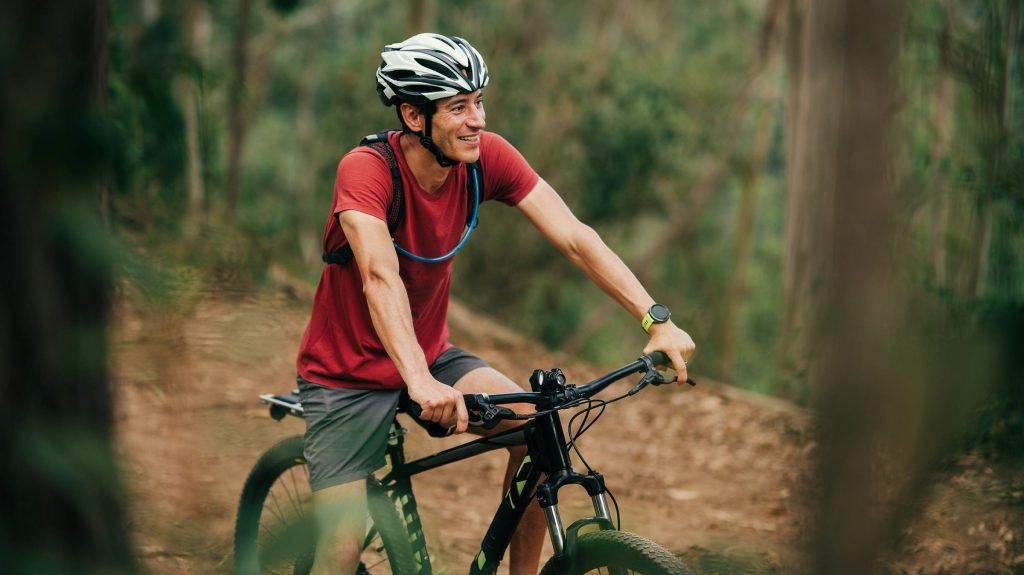
Imagine the thrill of racing down a rugged mountain trail, the wind whipping past your face as your bike navigates twists and turns. Mountain biking offers an exhilarating escape and a powerful rush of adrenaline.
But with this excitement comes the risk of injury, a concern that can quickly turn an adventure into a nightmare. You may wonder, how can you protect yourself and still enjoy the ride to its fullest? This blog post is your ultimate guide to staying safe while keeping the fun alive.
We’ll uncover practical tips and expert advice to help you avoid injuries on the trail. You’ll discover simple yet effective strategies that will boost your confidence and enhance your biking experience. Don’t let the fear of injuries hold you back from your passion. Read on to learn how to make every mountain biking trip not just thrilling, but safe. Your next ride is waiting—let’s make sure it’s your best one yet!

Credit: www.instagram.com
Gear Essentials
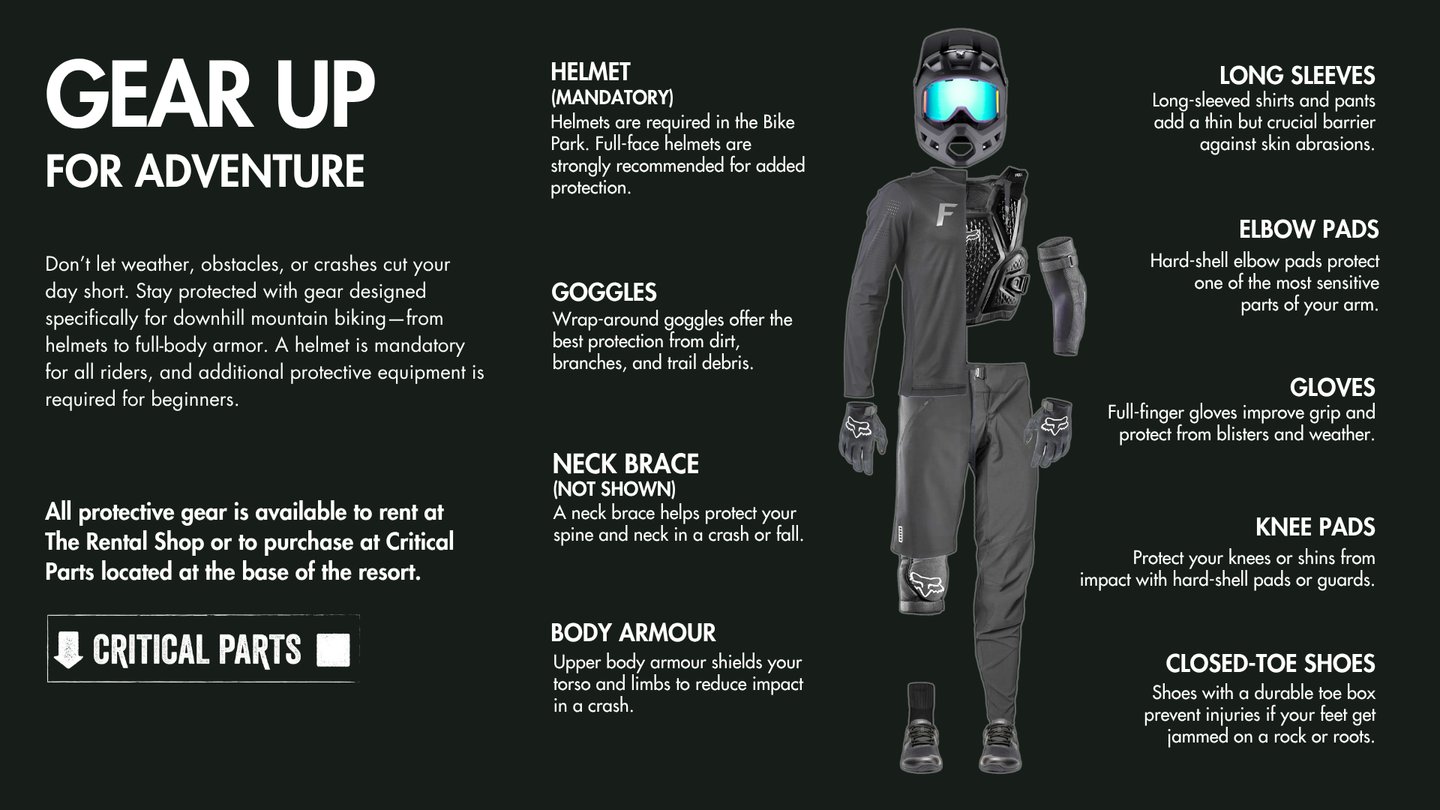
Wearing a well-fitted helmet is crucial for safety. Choose protective gear like knee and elbow pads to prevent injuries. Ensure your bike is in top condition with regular checks and maintenance.
Helmet And Protection
Wearing a helmet is the most importantsafety measure. It protects your head from serious injury. Choose a helmet with a snug fit. Knee and elbow pads provide extra protection. They help prevent scratches and bruises. Gloves keep your hands safe and improve grip. Invest in quality protective gear for safety.
Appropriate Clothing
Wear comfortableclothes for mountain biking. Choose breathable fabric for heat and sweat. Long sleeves can protect from sunburn and scratches. Wear padded shorts for comfort on the bike seat. Shoes with good grip keep your feet stable. Bright colors help others see you easily.
Bike Maintenance
Keep your bike in good condition. Check brakes and gears regularly. Ensure tires have enough air. Lubricate the chain for smooth rides. Tighten loose screws often. A well-maintained bike prevents accidents.
Pre-ride Preparation
Warming up muscles is crucial for preventing mountain biking injuries. Stretching helps increase flexibility and reduces strain. Gear check ensures safety and comfort, minimizing mishaps.
Physical Warm-up
Start with light exercises to loosen muscles. Stretch your arms and legs. This helps prevent injuries. Do jumping jacks for some minutes. Move your neck side to side. Warm-ups make your body ready to ride.
Route Planning
Choose a safe trail for biking. Look at maps before you go. Know the route and possible hazards. Tell a friend about your plan. Carry a map or GPS device. Safety is the top priority.
Weather Considerations
Check the weather forecast. Avoid biking in heavy rain or storms. Wear suitable clothes for the weather. Bring extra layers if it might get cold. Sun protection is important on hot days. Stay safe by being weather-aware.
Riding Techniques
Keep your body relaxed while biking. Bend your elbows and knees slightly. This helps absorb shocks from the trail. Lean forward to maintain balance. Look ahead and not at your front wheel. Your weight should be on the pedals. This gives you better control. Adjust your body as the trail changes. Stay centered for stability.
Use both brakes to slow down. Apply brakes gently to avoid skidding. Front brake is strong, so use it carefully. Rear brake helps control speed. Practice stopping smoothly. Avoid sudden braking in slippery areas. Brake early before corners. This keeps you safe and steady.
Slow down before entering a corner. Look through the corner to where you want to go. Lean your bike into the turn. Keep your body upright. Shift your weight to the outside pedal. This helps grip the ground. Practice on easy trails first. Cornering gets better with practice.

Credit: www.youtube.com
Trail Etiquette
Trail etiquette plays a crucial role in preventing injuries during mountain biking. Riders should always yield to pedestrians and uphill bikers. Maintaining a safe speed and staying alert to surroundings can help avoid accidents.
Respecting Other Riders
Always give a friendly nod or wave. It’s nice to greet others. Stay aware of your surroundings. Keep a safe distance from fellow riders. Avoid blocking paths. Let faster riders pass. This keeps the trail smooth for everyone. Remember, kindness goes a long way on the trail.
Navigating Obstacles
Look ahead and plan your moves. Spot rocks, roots, and bumps early. Shift your weight to stay balanced. Use brakes wisely. Slow down before tricky spots. Keep your eyes forward. Focus on where you want to go, not on obstacles.
Yielding Right Of Way
- Always give way to uphill riders.
- Be courteous to hikers and walkers.
- Stop and let horses pass safely.
- Remember, safety is more important than speed.
Post-ride Recovery
Proper post-ride recovery helps avoid injuries while mountain biking. Stretch muscles, hydrate well, and eat nutritious foods. Rest adequately to allow the body to heal and strengthen.
Stretching And Cool Down
Stretch your muscles gently after your ride. This helps them relax. Focus on your legs and arms. Hold each stretch for 20 seconds. Breathing deeply helps you feel better. A cool down is also important. Ride slowly for five minutes. This helps your heart rate return to normal.
Hydration And Nutrition
Drink plenty of water after biking. Your body loses water when you sweat. Eating a small snack is good too. Choose foods with proteinand carbohydrates. These help your muscles recover. A banana or yogurt is a smart choice. A good meal helps you regain energy.
Reflecting On Performance
Think about your ride and how it went. Did you face any challenges? What did you enjoy the most? This helps you improve next time. Write down your thoughts in a journal. You can read them before your next ride. Reflecting makes you a better biker.
Common Mistakes
Wearing the right gear helps prevent common injuries while mountain biking. Maintain your bike to avoid mechanical failures. Always plan your routes and be aware of your limits to ensure a safe ride.
Overestimating Skill Level
Bikers often think they are better than they really are. This can be dangerous. Confidence is important, but knowing your true skill level is safer. Practice on easy trails first. Build your skills slowly and carefully. Avoid difficult trails until you’re ready.
Ignoring Equipment Checks
Always check your bike before riding. Look at the brakes, tires, and chain. Make sure they work well. Proper equipment can save you from accidents. A quick check takes only a few minutes. It can prevent many problems. Safe equipment equals a safe ride.
Neglecting Safety Measures
Wearing a helmet is crucial for safety. Protective gear like knee pads can help too. Always ride with a friend. Buddy systems can be lifesaving in accidents. Never skip these safety steps. They are simple and can make a big difference.
Credit: www.revelstokemountainresort.com
Frequently Asked Questions
How To Avoid Injury In Mountain Biking?
Wear protective gear like helmet, gloves, and pads. Check bike condition before riding. Learn proper techniques to navigate trails. Start with easier trails to build skills. Stay alert and avoid risky maneuvers.
What Is The 80 Rule In Mountain Biking?
The 80 rule in mountain biking means you should ride at 80% of your maximum ability. This enhances safety by minimizing risks while maintaining speed and control. It encourages bikers to focus on skill development and enjoy the ride without pushing beyond comfort levels.
What Is The Most Common Injury In Mountain Biking?
The most common mountain biking injury is a broken collarbone. Riders often fall on their shoulder, causing fractures. Protective gear and cautious riding can reduce risks. Regular bike maintenance and proper technique also help prevent injuries. Always ride within your skill level for safety.
Is Mountain Biking Hard On Your Body?
Mountain biking can be physically demanding, impacting muscles and joints. Proper technique and equipment minimize risks. Regular riding builds strength and endurance. Safety gear and stretching reduce injury chances. Listen to your body and rest when needed. Riding on varied terrain challenges the body, enhancing overall fitness.
Conclusion
Mountain biking safely means enjoying the ride and staying injury-free. Wear protective gear like helmets and pads. Check your bike before every ride. Learn basic skills and practice regularly. Stay alert and watch the trail. Avoid risky stunts if you’re not confident.
Listen to your body; rest when tired. Choose trails that match your skill level. Stay hydrated and maintain a balanced diet for energy. Sharing tips with friends helps everyone stay safe. Remember, safety is key to having fun on the trails.
Keep these tips in mind and enjoy your biking adventures.



