
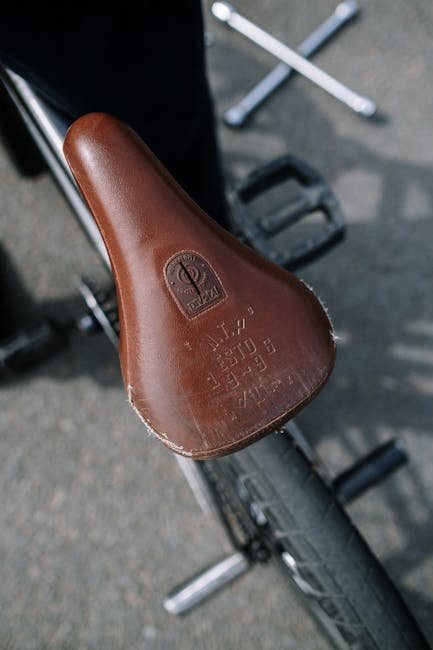
Are you struggling to find the perfect seat height for your mountain bike? It might seem like a minor detail, but getting it just right can transform your ride from uncomfortable to exhilarating.
Imagine feeling more in control, reducing the risk of injury, and maximizing your pedal power. This guide is here to help you achieve all that and more. By the end of this article, you’ll know the secrets to setting your seat at the ideal height for your unique needs.
Don’t miss out on these essential tips that could make your next ride your best one yet. Dive in and discover how a simple adjustment can make a world of difference.

Credit: blog.rodalink.com
Importance Of Seat Height
Seat height affects your comfort and control. A seat too low can cause knee pain. A seat too high makes pedaling hard. Adjusting seat height can improve your ride. It helps you pedal with ease and reduces strain. Correct seat height can prevent injuries.
To find the right height, check your leg position. Your knee should be slightly bent at the bottom of the pedal stroke. Use a tape measure for accuracy. Measure from the ground to the top of the seat.
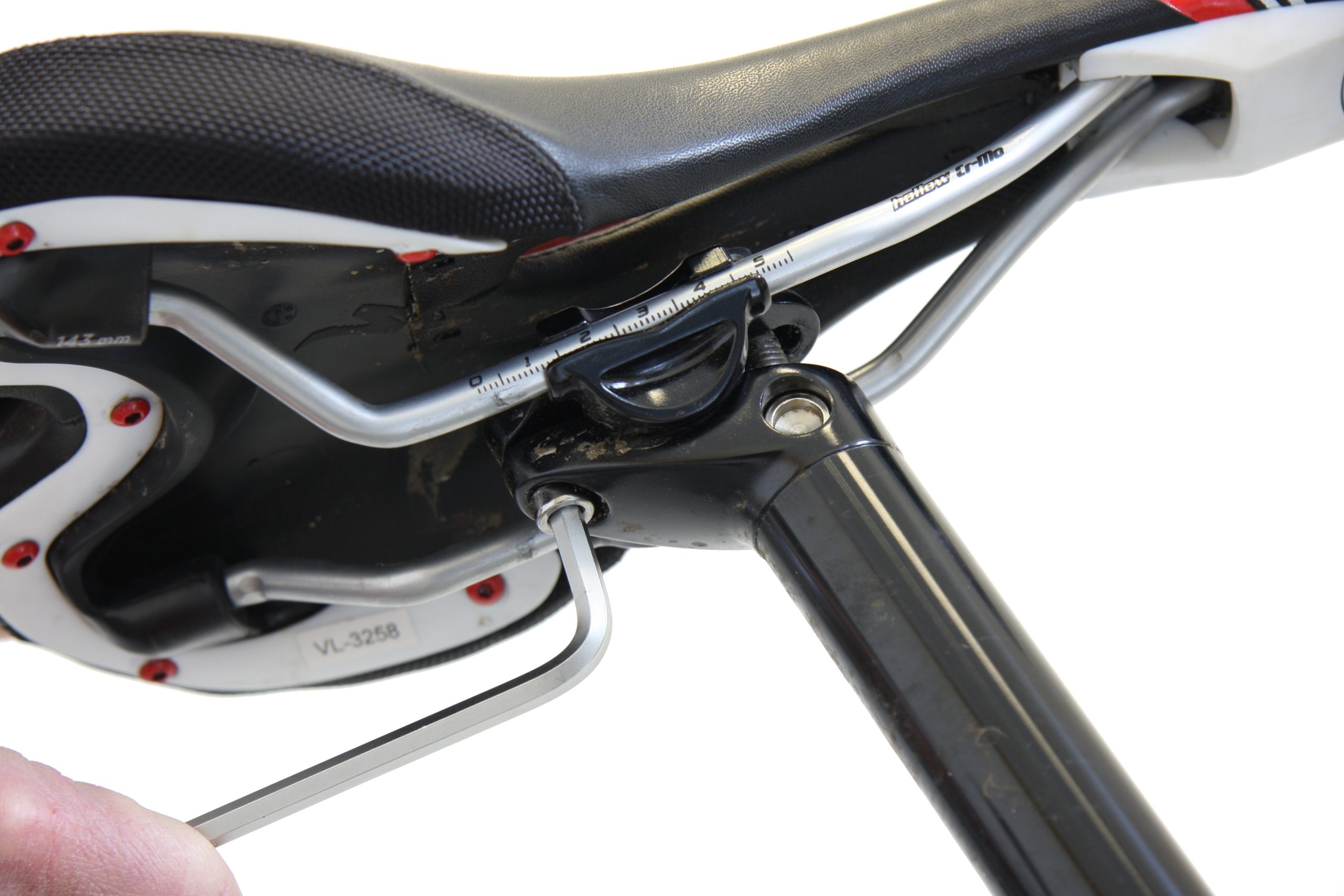
Common adjustments are easy to make. Loosen the seat clamp and slide the seat up or down. Tighten the clamp when done.
Remember, comfort is key for long rides. Adjust your seat to feel good and stay safe.
Tools Needed For Adjustment
A few tools make adjusting your bike seat easy. First, grab an Allen wrench. This will help loosen bolts. A tape measureis next. Measure the seat height for accuracy. You might also need a wrenchfor some bike models. A simple level toolensures your seat is straight. Lastly, have a bike standready. This keeps the bike steady.
With these tools, seat adjustments are quick. Make sure to have them nearby. Having the right tools saves time. It also ensures a proper adjustment. Happy biking!
Finding Your Ideal Seat Height
To find the perfect seat height, measure your inseam. Stand against a wall with your feet slightly apart. Use a book between your legs, like a bike seat. Measure from the ground to the top of the book. This gives your inseam length. This number helps adjust the seat height. Ensure the bike seat matches your inseam for comfort.
Adjust the seat so your feet touch the ground. Sit on the bike and check if your legs are straight. Your knees should slightly bend when pedaling. This is crucial for proper balanceand comfort. Adjust the seat angle for a comfortable ride. Ensure it is level and not tilted. A well-adjusted seat improves your biking experience.
Credit: totalwomenscycling.com
Common Adjustment Techniques
Set the seat at hip height. Stand next to the bike. Your seat should align with your hip. This helps in proper leg extension.
Sit on the bike with one pedal at the bottom. Your leg should be slightly bent. This ensures comfort and control.
Adjust the seat angle. Keep it level for most rides. A slight tilt can help on steep hills.
- Use a rulerto measure seat height. Find your ideal measurement.
- Consider using a seat postwith markings. This helps in quick adjustments.
- Experiment with seat height. Adjust slightly higher or lower. Notice any changes in comfort.
- Ask a friend to watch your riding posture. They can help spot any issues.
Signs Your Seat Height Is Incorrect
Knee pain or discomfort during rides may indicate improper seat height. Struggling to reach pedals or feeling cramped? These are signs your mountain bike seat needs adjustment.
Physical Discomfort
Pain in the knees or hips can mean the seat is too low. A seat too high might cause back pain. You may feel numbness or tingling in your legs. These are signs your bike seat height needs a change. Riding should feel comfortable, not painful. Listen to your body.
Performance Issues
Struggling to pedal smoothly might be a seat issue. You might notice less speed and power. Your legs may tire faster than usual. A proper seat height helps you pedal efficiently. Watch for these signs during your ride. Adjusting your seat can improve your biking experience.
Adjusting For Different Terrain
Adjusting your mountain bike seat height is crucial for different terrains. Ensure comfort and efficiency on varied surfaces by fine-tuning the seat position. Proper adjustment enhances control and minimizes fatigue during your ride.
Flat Terrain
On flat terrain, keep the seat at a comfortable height. This allows efficient pedaling and less strain. Your legs should be slightly bent when the pedal is down. This helps maintain smooth control and balance. Adjust the seat so you can easily touch the ground. This provides better safety and control while stopping.
Uphill And Downhill
On uphill terrain, lower the seat slightly. This gives more power and better traction. Keep the body forward to help climb. On downhill terrain, lower the seat even more. This lets you lean back and maintain control. A lower seat helps with stability and safety. Always check seat height before riding.
Maintaining Seat Position
Adjusting your mountain bike seat height ensures comfort and efficiency. A well-positioned seat improves pedaling and reduces fatigue.
Regular Checks
Check your seat height regularly. Make sure it feels comfortable. A seat too high can cause pain. A seat too low makes biking hard. Use a ruler to measure the distance. The seat should be level with your hips. Adjust if it feels wrong.
Adjustments Over Time
Adjust your seat as you grow. Kids might need frequent changes. Adults might need changes too. Riding style can affect seat height. Rough trails may need a lower seat. Smooth roads might need a higher seat. Always check after long rides.

Credit: www.kingbullbike.com
Additional Comfort Enhancements
Different seat paddings can make your ride more comfy. Soft gel pads are great for short rides. They cushion your bottom nicely. Memory foam pads fit your shape well. They are perfect for long trips. Some bikers like padded shorts too. These shorts add extra comfort. The padding helps on bumpy roads. Always choose what feels best for you. Test different options to see which you prefer. Comfort is key for happy biking.
Good posture keeps you comfy on the bike. Sit straight and relaxed. Bend your arms a little. This helps absorb shocks. Keep your knees slightly bent too. It helps control the bike better. Lean forward when climbing hills. Stand up on pedals for extra power. On downhill, sit back a bit. This gives you better balance. Practice these techniques for a smooth ride. Enjoy every moment on your bike!
Frequently Asked Questions
What Is The Correct Seat Height For A Mountain Bike?
Set the seat height so your knee slightly bends with the pedal at its lowest point. Adjust for comfort and efficiency. Ensure toes touch the ground for stability when stopping. Proper seat height enhances pedaling power and reduces fatigue. Adjustments may vary based on personal preference and riding style.
What Is The 0.883 Rule?
The 0. 883 rule estimates the distance to the Earth’s horizon. Multiply the square root of your height in feet by 1. 17.
How Do You Know If Your Bike Seat Is Too High Or Too Low?
Ensure proper leg extension while pedaling; knees should be slightly bent at the lowest pedal position. Discomfort or overextension indicates incorrect seat height. Adjust until comfortable and efficient.
What Is The 109 Rule For Saddle Height?
The 109 rule suggests setting saddle height at 109% of your inseam length. Measure from the pedal axle to the saddle top. This method helps optimize cycling performance and comfort, reducing risk of injury. Always ensure proper alignment for individual flexibility and riding style.
Conclusion
Adjusting your mountain bike seat height is crucial for comfort. Correct seat height enhances your biking experience. It boosts performance and prevents injuries. Always check your seat height before hitting the trails. Use simple tools for adjustments. Measure carefully and test your ride.
Feel the difference in control and efficiency. Keep it a regular part of bike maintenance. Happy cycling on your adventures! Stay safe and enjoy the ride!



