

Imagine this: you’re all set for an exciting mountain biking adventure, but there’s one hiccup—how do you get your prized bike to the trail without a scratch? Whether you’re hitting the local trails or heading off on a road trip, transporting your mountain bike safely is crucial.
It’s not just about avoiding damage; it’s about preserving your gear and peace of mind. In this guide, you’ll discover simple yet effective methods to ensure your mountain bike arrives at its destination in perfect condition. Stay with us and learn how to protect your investment while making your next ride the best one yet.
Credit: huckwagons.com
Preparing Your Bike
Secure your bike by detaching the front wheel and pedals. Use padding to protect the frame and components. Employ a sturdy bike rack or a well-fitted case for transport.
Cleaning And Maintenance
Clean your bike before transporting. Dirt can damage it during travel. Use a soft cloth to wipe the frame. Check the chain and gears. They should be clean and free of rust. Lubricate the chain for smooth movement. Tighten loose bolts and screws. This ensures parts stay secure.
Inspecting For Damage
Inspect your bike carefully. Look for cracks on the frame. Check the tires for cuts or leaks. Ensure the brakes work well. Test the handlebars. They should be firm and steady. Examine the pedals and seat. They must be secure and comfortable. Fix any issues before transport.
Choosing The Right Transport Method
Transporting a mountain bike safely requires careful planning. Secure it in a sturdy bike rack or inside your vehicle. Ensure all parts are fastened to prevent movement during transit.
Car Racks
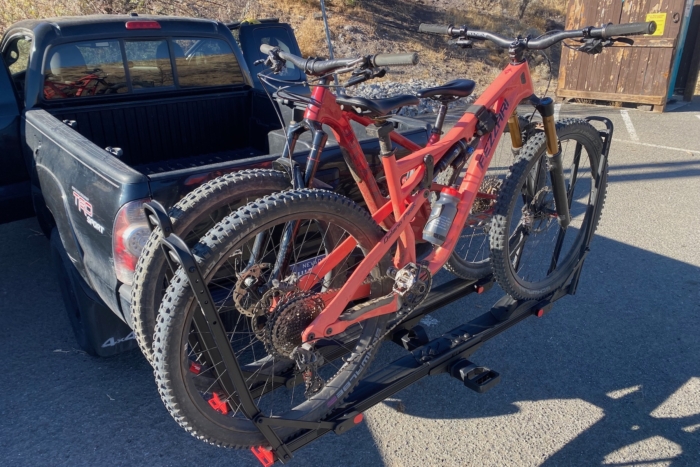
Car racks are great for transporting bikes. They attach to your car easily. You can choose between roof racks or rear racks. Roof racks keep your bike secure on top. Rear racks hold the bike at the back. Make sure to use straps to keep the bike tight. Always check your mirrors for safety.
Bike Transport Bags
Bike transport bags keep your bike safe. These bags are padded and strong. They protect the bike from scratches and bumps. Transport bags are handy for air travel. They fit easily in a car trunk. Always choose a bag with good zippers and padding.
Bike Trailers
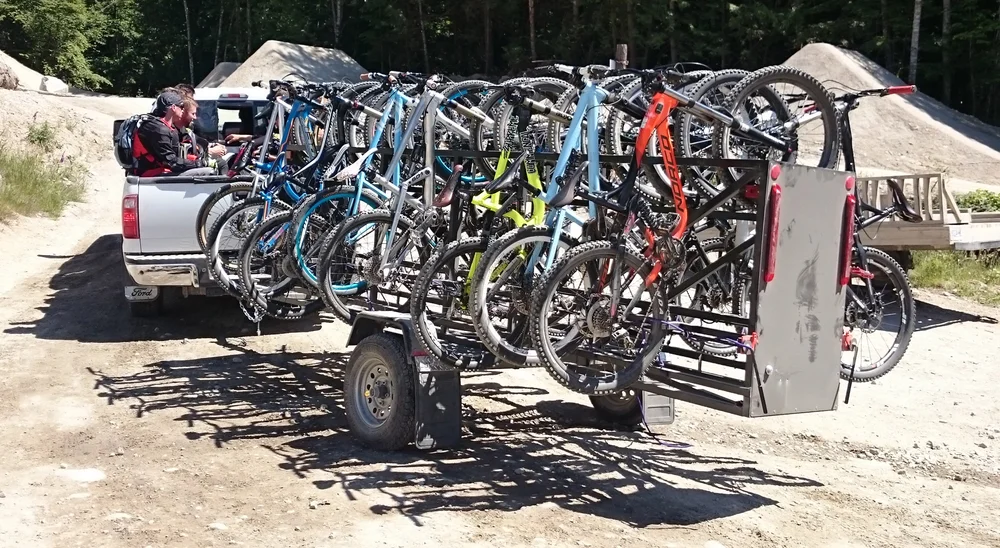
Bike trailers are perfect for long trips. They are like small carts for your bike. Trailers attach to your car’s hitch. They are stable and hold multiple bikes. Make sure the trailer is balanced. Always secure the bikes with straps. Check the trailer lights before driving.
Securing The Bike
Straps and fasteners keep your bike safe. Always use strong straps. Check they are not worn out. Make sure straps are tight. Loose straps can damage the bike. Use fasteners for extra safety. Fasteners help hold the bike in place. They make transport safer. Always double-check straps and fasteners.
Fragile parts need extra care. Use padding for protection. Soft cloth or bubble wrap works well. Cover the bike chain and gears. They are delicate and can break. Protect the handlebars with foam. Keep the bike’s seat safe with a cover. Double-check all protected parts. Secure them well before moving.
Packing Essentials
Always carry essential toolsfor your mountain bike trips. Bring a small tool kit with a multi-tool, tire levers, and a mini pump. Spare parts like an extra tube and patch kit are important. These can save you from long walks back. Make sure your toolsare lightweight and easy to pack. Keep them in a small bag attached to the bike. This helps in quick repairsduring your journey. Don’t forget a chain link and a small bottle of lube. These keep the bike running smoothly.
A first aid kitis a must-have for mountain biking. Include band-aids, antiseptic wipes, and pain relievers. These help in minor injuries on the trail. Pack it in a waterproof bag to keep items dry. Make sure the kit is easy to reach while riding. Knowing basic first aid can be very useful. Be prepared for small accidents with your kit. It keeps you safe on your adventure.
Tips For Long Distance Travel
Transporting a mountain bike safely over long distances requires proper preparation. Use a sturdy bike rack and secure all loose parts. Consider protective covers to prevent scratches during the journey.
Choosing Rest Stops
Pick stops that are safe and quiet. Busy places can be tricky. Look for spots with good lighting. Avoid places with lots of traffic. Check if there are security cameras. Rest areas can be a good choice. They usually have restrooms and food. Make sure your bike is secure. Lock it up if you leave it. Keep an eye on your bike from afar.
Monitoring Weather Conditions
Watch out for rain and storms. Wet roads can be dangerous. Use weather apps for updates. Plan your trip around sunny days. Avoid strong winds if possible. Wind can make biking hard. Dress in layers for changing weather. Cold mornings can turn warm later. Bring a raincoat just in case. Staying dry keeps you comfortable. Always check the forecast before leaving.
Credit: gearjunkie.com
Safety Precautions
Secure your mountain bike with a sturdy rack for transport. Use padded straps to prevent scratches and damage. Check the bike’s stability before driving to ensure a safe journey.
Checking Vehicle Compatibility
Ensure your vehicle can carry the bike safely. Check the vehicle manualfor weight limits. Use a suitable bike rackto avoid damage. Make sure the bike fits securely. Double-check all straps and attachments. They should hold the bike tightly.
Avoiding Overloading
Do not load more weight than your vehicle can handle. This can cause serious accidents. Check the weight of your bike and gear. Compare it with your vehicle’s limit. Always keep extra weight to a minimum. Distribute weight evenly for balance. This helps in safe driving.
Common Mistakes To Avoid
Ensure your bike is securely fastened to avoid damage during transport. Protect delicate parts like gears and brakes from scratches. Choose a proper vehicle rack or carrier to keep your bike stable and safe on the road.
Improper Rack Installation
Many people don’t install bike racks correctly. This can cause bikes to fall. Always follow the instructions carefully. Make sure the rack fits your vehicle. Use all the straps and bolts provided. A loose rack can damage your bike. It can also harm other cars on the road. Double-check everything before driving.
Neglecting Regular Checks
Checking your bike’s condition is important. Tighten all bolts regularly. Ensure the tires have enough air. Look for any worn-out parts. Regular checks help prevent accidents. It keeps your bike in good shape. Always inspect before a long trip. This keeps your bike safe during transport.
Expert Advice
Professional riders often use sturdy bike racks. These racks hold bikes firmly. It’s wise to use padded straps. They prevent scratches and damage. Always secure the bike frame and wheels. This keeps the bike stable during travel. Some riders remove wheels for easier transport. It makes bikes fit better in cars or vans. A soft blanket or pad can protect bikes. It cushions bikes against bumps and jolts.
Mechanics recommend checking tire pressure before transport. Low pressure can cause damage. Use a protective cover for the chain and gears. This stops dirt and rust. Secure loose parts with tape or ties. Keep them from moving and getting damaged. Always clean the bike before packing. Dirt can scratch the bike frame. Pack tools for quick repairs on the road. A small kit can be very handy.

Credit: leoguarbikes.com
Frequently Asked Questions
Is It Okay To Lay A Bike On Its Side?
Laying a bike on its side can risk damage to parts like handlebars or mirrors. Always ensure it’s stable to avoid scratches or leaks. Use a proper stand or support whenever possible. Regular checks help maintain bike health and longevity.
Can You Get Pulled Over For Having A Bike Rack On Your Car?
Yes, you can get pulled over if the bike rack obstructs visibility or covers license plates. Ensure the bike rack is securely installed and complies with local laws to avoid penalties. Always check if it interferes with rear lights or signals to stay safe and legal on the road.
Is It Okay To Store A Mountain Bike Vertically?
Yes, storing a mountain bike vertically is okay. Ensure the weight is supported by solid parts like the frame. This method saves space and prevents tire deformation. Avoid hanging by wheels alone to prevent damage. Always check manufacturer guidelines for specific bike storage recommendations.
How To Attach A Mountain Bike To A Car?
Use a bike rack compatible with your car model. Secure the rack on the car’s roof or rear. Attach the mountain bike using the straps or clamps provided. Ensure the bike is stable and locked before driving. Regularly check all attachments for safety during travel.
Conclusion
Transporting a mountain bike safely is easy with the right steps. Always secure your bike well. Choose a reliable rack or carrier. Check your bike for loose parts. Avoid overloading your vehicle. Remember to plan your route carefully. This prevents damage and ensures a smooth ride.
Use protective covers for extra safety. Traveling with a mountain bike needs some preparation. But with these tips, your bike stays safe. Enjoy your adventure without worries. Happy biking!



