
Are you ready to transform your mountain biking experience and leave your friends in the dust? Imagine the thrill of blazing down trails at speeds you once thought impossible.
Increasing your mountain bike speed isn’t just about pedaling harder; it’s about mastering the art of efficiency, control, and technique. You’ll discover proven strategies to boost your speed, giving you the edge you’ve been craving. Whether you’re a weekend warrior or a seasoned rider, these tips will help you conquer the trails like never before.
So, are you ready to unleash your full potential and feel the wind rush past as you push your limits? Let’s dive in!
Bike Setup Optimization
Check tire pressure often. Low pressure slows you down. High pressure can make the ride bumpy. Keep it balanced for a smooth ride. Use a pressure gauge for accurate readings.
Adjust suspension for better speed. Softer suspension absorbs bumps well. Harder suspension gives more speed on smooth paths. Test different settings for best performance.
- Remove unnecessary bike parts.
- Choose lighter materials for upgrades.
- Carry less gear while riding.
Lighter bikes move faster. Less weight means more speed. Aim for a lightweight setup.

Credit: www.bikeradar.com
Riding Technique Improvement
Good cornering is key to speed. Keep your eyes on the exit. Lean your bike, not your body. Use the brakes before the turn, not during. Always look ahead, not down. Practice makes you better and faster.
Pedal in smooth circles, not just up and down. Use your gears wisely for better speed. Keep a steady rhythm. Fast pedaling tires you quickly. Use both legs equally for balance. This saves your energy.
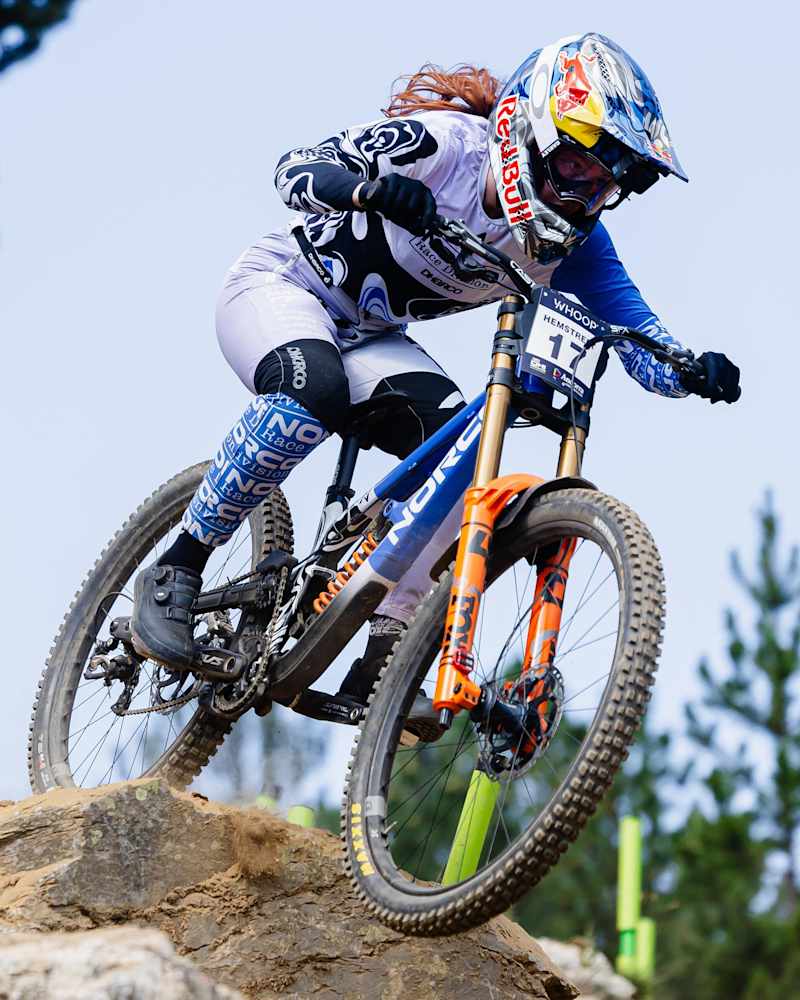
Stay low to cut wind resistance. Keep your elbows bent. This helps absorb shocks. Lean forward when climbing hills. Shift your weight back on descents. Balance is key for speed and control. Practice often to improve.
Training And Fitness
Building strong muscles helps you ride faster. Focus on leg muscles. Squats and lunges are great for this. Upper body strength is also important. Push-ups and pull-ups can help. These exercises make you more powerful on the bike.
Cardio keeps your heart strong. It helps you ride longer. Riding your bike is a fun cardio exercise. Running and swimming are good too. Do cardio at least three times a week. This keeps your heart and lungs healthy.
Stretching makes your body flexible. It helps you move better on the bike. Stretch before and after riding. Focus on your legs and back muscles. Yoga is great for flexibility. It also helps you stay calm and focused. Being flexible can help you avoid injuries.

Credit: www.bikeradar.com
Trail Strategy
Choosing the best line is key for speed. Look ahead on the trail. Spot the smoothest path. Avoid big rocks and roots. Stay balanced and alert. Use your body to guide the bike. Your line choice can save you time.
Control your speed for safety. Brake before sharp turns. Ease off brakes to gain speed. Maintain a steady pace on straight paths. Use gears to adjust speed. Keep a calm mind and focus. Smooth riding keeps you fast.
Obstacles are common on trails. Watch out for them. Lift your front wheel over small rocks. Use your legs as shock absorbers. Stand up to keep balance. Plan your moves in advance. Stay confident and in control. Navigate obstacles with ease.
Equipment Upgrades
Lightweight components help bikes go faster. Use a light frame to reduce weight. Carbon fiber frames are strong and light. Choose light wheels for better speed. Aluminum wheels are light and durable. Thin tires make bikes move swiftly. They cut through the wind easily.
Aerodynamic accessories are important. Wind-resistant helmets help riders cut through the air. Slim clothing reduces drag. Aero handlebars make cycling easier. They allow a better grip and position. Streamlined water bottles can also reduce wind resistance. Small changes make big differences.
Advanced braking systems improve safety. Disc brakes are powerful and reliable. Hydraulic brakes offer smooth stopping. They work well in wet conditions. Brake pads should be checked regularly. Keep them clean for better performance. Proper brakes help maintain speed control.
Mental Preparation
Boosting mountain bike speed requires strong mental preparation. Focus on goals, visualize success, and stay calm under pressure. A positive mindset enhances performance.
Focus Techniques
Stay calm while biking fast. Breathe deeply to clear your mind. Notice the trail ahead. Think about each pedal. Don’t worry about past mistakes. Keep your eyes on your path. Let go of distractions. Feel the air on your face. Be aware of your body on the bike. Stay present in each moment. Enjoy the ride!
Confidence Building
Believe in yourself. Say “I can do this” often. Practice on easy trails first. Gradually try harder ones. Celebrate small victories. Each ride makes you better. Learn from each fall. Get back up quickly. Set small goals for each ride. Achieve them one by one.
Visualization Practices
Imagine riding smoothly. Picture yourself going fast and steady. See the trail in your mind. Notice each turn and bump. Feel the bike under you. Visualize success before you start. Think about the finish line. Imagine the joy of completing the ride. Let these images motivate you. Use them to guide your ride.
Credit: www.redbull.com
Frequently Asked Questions
Is 30 Mph Fast On A Mountain Bike?
30 mph is quite fast on a mountain bike. Riders typically maintain lower speeds due to challenging terrain. Experienced cyclists may reach these speeds on downhill sections. Safety gear and bike handling skills are crucial at high speeds. Always prioritize safety while enjoying the thrill of mountain biking.
How Do I Increase My Cycling Speed?
To boost cycling speed, focus on interval training, improve your bike fit, and increase cadence. Maintain a balanced diet and ensure adequate rest. Incorporate strength training for better muscle power. Regular practice and consistent effort are key.
Is 12 Mph On A Mountain Bike Fast?
12 mph is generally considered a good speed on a mountain bike. Terrain and skill level can impact speed. Experienced riders may go faster, while beginners might ride slower. Riding conditions also play a crucial role. Always prioritize safety and enjoy the ride.
How To Change Speed On Mountain Bike?
To change speed on a mountain bike, use the right-hand shifter for rear gears and the left-hand shifter for front gears. Shift to a lower gear for climbing and a higher gear for descending. Pedal lightly while shifting to ensure smooth gear changes.
Conclusion
Boosting your mountain bike speed is within reach. Focus on technique and fitness. Consistent practice helps improve your skills. Maintain your bike for optimal performance. Check tire pressure and chain regularly. A lighter bike moves faster. Consider upgrades if needed.
Pay attention to your riding posture. It impacts speed and efficiency. Join group rides to learn from others. Set achievable goals to track progress. Remember, patience and persistence are key. Enjoy the thrill of faster rides. Keep challenging yourself on new trails.
Each ride is a step towards improvement. Happy biking!



