
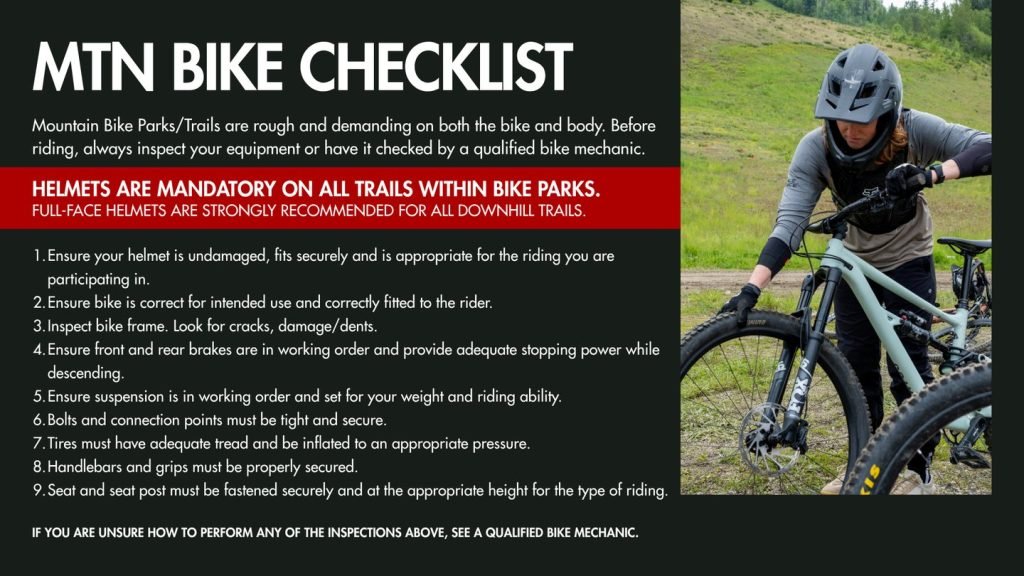
Is your mountain bike ready for your next adventure? Imagine cruising down a rugged trail, feeling the wind rush past as you tackle every twist and turn with ease.
But wait—what if a poorly maintained bike ruins your ride? A simple oversight could lead to a breakdown or even an accident. You deserve to enjoy a seamless and thrilling biking experience every time you hit the trails. That’s why having a mountain bike maintenance checklist is crucial.
It not only ensures your safety but also prolongs the life of your bike. In this guide, you’ll discover the essential steps to keep your bike in top condition. Ready to dive in and keep your adventures smooth and worry-free? Let’s get started!
Regular Inspection
Mountain bike maintenance requires regular inspection to ensure safety and performance. Check brakes, tires, and gears for wear or damage. Proper inspection helps prevent unexpected issues during rides.
Frame And Forks
Check the frame for any cracks or damage. Look for scratches on the forks. Ensure all bolts are tight. Clean the frame regularly to prevent rust. Use a soft cloth to avoid scratching.
Wheels And Tires
Inspect tires for wear and tear. Check for any punctures or cuts. Ensure wheels are true and spin smoothly. Use a pump to maintain correct tire pressure. Check tire pressure before every ride.
Brakes And Pads
Check brake pads for wear. Replace if they are worn out. Ensure brakes grip firmly. Test brakes before riding. Adjust brake levers if needed. Clean brake rotors regularly.
Suspension System
Examine the suspension for leaks or damage. Ensure it moves smoothly. Check for any strange noises. Clean suspension parts gently. Lubricate moving parts as needed.

Credit: www.reddit.com
Cleaning Essentials
Mountain bike maintenance requires essential cleaning tools. A checklist includes a brush, degreaser, and chain lubricant. Regular upkeep ensures a smooth ride.
Washing Techniques
Use a bucket with water and mild soap. Avoid harsh chemicals. Scrub gently with a soft brush. Rinse with clean water. Dry with a soft cloth.
Lubrication Tips
- Apply oil to the chain regularly.
- Lubricate moving parts like gears.
- Use a small amount of oil. Excess can attract dirt.
- Wipe off extra oil with a clean rag.
Drivetrain Care
Regular drivetrain care ensures smooth rides. Check chain, cassette, and derailleur for wear and dirt. Lubricate parts to prevent rust and maintain efficiency.
Chain Maintenance
Keep your bike chain clean for a smooth ride. A dirty chain wears out faster. Use a soft brush to remove dirt. Apply a bike-specific chain cleaner. Wipe the chain with a clean cloth. Lubricate with a good chain oil. Make sure the chain is not too tight. Too tight can cause damage.
Derailleur Adjustment
Check the derailleur for smooth shifting. Align it properly with the gears. Adjust the screws for fine tuning. Use the barrel adjuster to fix minor shifts. Listen for any unusual noise while shifting. A noisy derailleur may need more adjustment. Regular checks keep your bike running smooth.
Brake System Maintenance
Regular brake system checks ensure smooth mountain bike rides. Inspect brake pads for wear and replace if necessary. Test brake levers and cables for proper tension and responsiveness.
Hydraulic Brake Care
Hydraulic brakes use fluid to stop bikes. Check fluid levels regularly. Look for leaks near the brake lines. Clean dirt and dust from brake parts. Use a soft cloth. Inspect brake pads for wear. Replace them if needed. Ensure all bolts are tight. Loose bolts can cause problems. Adjust brake levers for comfort. Proper lever position helps control. Test brakes after care. Ensure they work smoothly. Safety first!
Cable Brake Checks
Cable brakes use metal wires. Check cables for frays or rust. Replace damaged cables. Inspect cable tension. Adjust if too loose or tight. Check brake pads often. Worn pads need replacing. Clean brake parts regularly. Use a soft brush. Tighten all nuts and bolts. Loose parts can be dangerous. Test brakes on a safe path. Make sure they stop well. Keep brakes in top shape!
Tire And Wheel Care
Maintaining tire pressure ensures smooth rides and safety. Regularly inspect tread wear and clean debris from wheel rims. Check for loose spokes to prevent wheel damage during mountain biking adventures.
Tire Pressure Checks
Keeping the right tire pressureis important for safe rides. Use a pressure gauge to check the tire pressure. Ensure the pressure matches the recommended level. This helps prevent flats and improves performance. Don’t forget to check both front and rear tires. Adjust the pressure if needed. Properly inflated tires give better control.
Spoke Tension
Spoke tension keeps the wheel strong and straight. Check the tension with your fingers. Loose spokes can cause wobbly wheels. Tighten any loose spokes carefully. Use a spoke wrench for adjustments. Make sure not to over-tighten. Balanced spoke tension ensures smooth rides. Regular checks maintain wheel health.

Credit: multicycle.de
Suspension System Checks
Regular checks on the mountain bike’s suspension system ensure smooth rides. Inspect for wear or leaks in the shock absorbers. Adjust the settings based on trail conditions for optimal performance.
Fork And Shock Inspection
Regularly check the fork and shock for any leaks or damage. Clean them gently with a soft cloth. Look for scratches or dents. These can affect performance. Make sure the seals are not cracked. If damaged, they need replacing. Use a flashlight to see better. A clean fork and shock work smoothly. They keep you safe on bumpy trails.
Sag And Rebound Adjustments
Adjust the sag for your weight. This helps the bike move well. Use a pump to set the air pressure. Check the rebound setting. It controls how fast the suspension returns. Turn the knob gently. Test ride to see if it feels right. Adjust until it feels comfortable. Proper settings make your ride fun and safe.
Safety Gear Inspection
Check the helmet for any cracks or dents. These can be dangerous. The straps should be strong and not worn out. Make sure the buckle worksproperly. It should snap tightly. Look for any missing pads inside. They help keep your head safe. If the helmet is old, consider getting a new one. A good helmet is very important for your safety.
Inspect your knee and elbow pads for tearsor damage. They should fit snugly without sliding off. Check the Velcro straps. Make sure they stick well. Pads protect you from falls. They must be in good shape. Replace any worn-out pads. Safety comes first!
Storage Tips
Mountain bike maintenance ensures smooth rides and extends bike lifespan. Regularly check tires, brakes, and chain for optimal performance. Store bikes in a dry area to prevent rust and damage.
Indoor Vs Outdoor Storage
Storing your mountain bike indoors is the best choice. It keeps the bike safe from rain and sun. Rain can cause rust and sun can fade colors. If you have no space inside, choose a sheltered outdoor spot. Use a bike cover for extra protection. Keep the bike away from sprinklers and wet areas. This helps to prevent rust and damage.
Avoiding Rust
To avoid rust, always wipe your bike after rides. A dry cloth works best. Check for any wet spots or mud. Clean the chain regularly with a special chain cleaner. Apply oil to the chain to keep it smooth. Store your bike in a dry place. Humidity can cause rust over time. Use a bike cover if storing outside. Covers shield the bike from wet weather.

Credit: ride.whattabikeshop.com
Frequently Asked Questions
How Often Should I Maintain My Mountain Bike?
Regular maintenance is crucial for optimal performance. Perform checks before each ride, monthly, and seasonally. Focus on tire pressure, brake condition, chain lubrication, and bolt tightness. Seasonal checks should include suspension servicing and a thorough cleaning. Keeping a maintenance schedule ensures safety and prolongs your bike’s lifespan.
What Tools Are Needed For Bike Maintenance?
Essential tools include a bike stand, hex wrenches, screwdrivers, chain tool, and tire levers. Lubricants and degreasers are also vital. A pump and pressure gauge help with tire maintenance. These tools ensure you can perform basic repairs and maintenance tasks efficiently at home.
How Do I Clean My Mountain Bike?
Start by rinsing off dirt with water. Use a mild soap solution and a soft brush for cleaning. Pay attention to the drivetrain and brakes. Rinse thoroughly and dry with a clean cloth. Regular cleaning prevents rust and wear, ensuring smooth rides and extending your bike’s life.
What Are Common Signs Of Wear On A Bike?
Look for frayed cables, worn brake pads, and stretched chains. Check tire treads and pressure regularly. Listen for unusual noises while riding. These signs indicate it’s time for maintenance. Addressing them promptly prevents further damage and ensures your bike remains safe to ride.
Conclusion
Keeping your mountain bike in top shape is crucial. Regular maintenance ensures smooth rides and safety. Check your bike before every adventure. Clean and lubricate the chain. Inspect brakes and tires for wear. Tighten loose bolts and screws. Don’t forget to adjust the gears.
These simple steps extend your bike’s life. Enjoy your rides with confidence and peace of mind. A well-maintained bike equals more fun on the trails. Happy cycling!



