
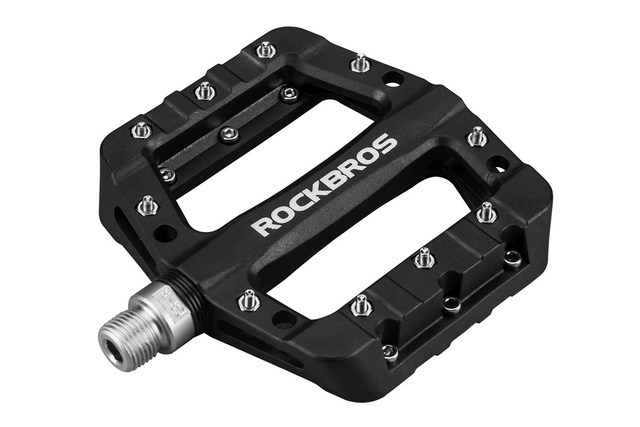
Are your mountain bike rides not as smooth as they once were? Do your feet slip off the pedals, leaving you longing for a better grip and more control?
Upgrading your mountain bike pedals might be the solution you need to transform your riding experience. Imagine cruising down trails with confidence, feeling every turn and bump with precision, and having the power to climb hills without a second thought.
In this guide, we’ll show you how to upgrade your mountain bike pedals, a simple change that can make a world of difference. Whether you’re a seasoned cyclist or just getting started, you’ll learn the steps to choose the right pedals that fit your style and enhance your ride. Stick around, and you’ll discover how this small change can make your biking adventures more exciting and enjoyable. Don’t let another ride pass you by without unlocking the full potential of your bike. Let’s dive into the details and elevate your cycling experience today!
Credit: gearedupbikes.com
Choosing The Right Pedals
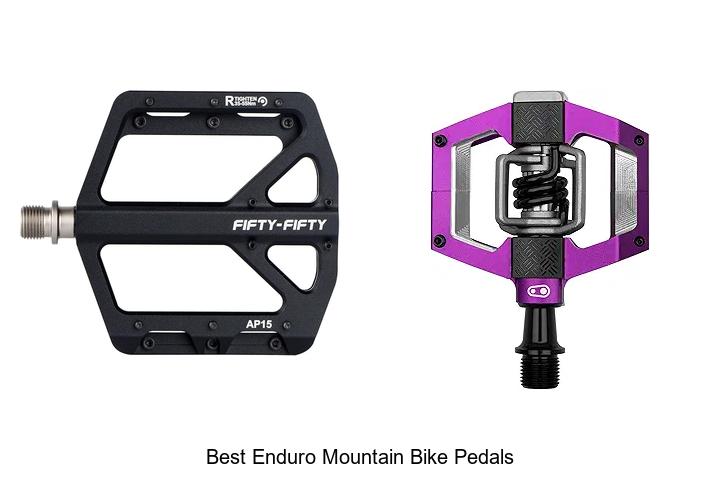
Upgrading mountain bike pedals enhances performance and comfort. Consider pedal material, weight, and grip for better control. Choose between clipless and flat pedals based on your riding style and terrain preference.
Types Of Mountain Bike Pedals
Mountain bike pedals come in different types. Flat pedals are good for beginners. They offer a wide surface for your feet. Clipless pedals connect to special shoes. They help you pedal efficiently. Platform pedals are similar to flat pedals. They are larger and offer more stability. Choose a type that fits your riding style.
Material And Durability Considerations
Pedals can be made from plastic, aluminum, or steel. Plastic pedals are light but may break easily. Aluminum pedals are durable and light. Steel pedals are strong but heavier. Consider how often you ride. Pick a material that lasts long.
Pedal Size And Weight Factors
Size and weight of pedals affect your ride. Bigger pedals provide more space for your feet. They are good for comfort. Smaller pedals are lighter. They are better for speed. Think about your biking needs. Choose a size and weight that matches them.
Tools And Equipment Needed
A few simple tools are needed to change bike pedals. Use a pedal wrenchfor easy removal and installation. A hex keyor Allen wrenchis also useful. Check your bike’s manual for the right size. A lubricanthelps with smooth pedal movement. Keep a clean raghandy to wipe off dirt or grease.
Wearing the right gear keeps you safe during the process. Use glovesto protect your hands. Keep gogglesready to shield your eyes from dust. Make sure your work areais well-lit and tidy. Always check for sharp tools lying around. Safety first!
Preparing Your Bike
Start by using a damp cloth to wipe away dirt. Make sure the cloth is clean. Remove all mud and dust from around the pedals. A toothbrush can help with hard-to-reach spots. Don’t let water get inside the pedal parts. Dry everything well after cleaning. This prevents rust and keeps pedals working smoothly.
Check the crank arms for any damage or cracks. Cracks can cause problems later. Look closely at the metal for any bends. Bent crank arms can affect bike riding. Make sure the bolts are tight. Loose bolts can make pedals wobbly. If anything looks broken, it might need replacing. This will keep your bike safe and ready.
Credit: www.youtube.com
Removing Old Pedals
Removing old pedals is the first step to upgrade mountain bike pedals. Use a wrench to loosen the pedal axles. Turn counterclockwise on the right and clockwise on the left side.
Loosening The Pedals
Use a wrenchto loosen the pedal. Turn counter-clockwise on the right. For the left pedal, turn it clockwise. Hold the bike steady. Ensure the wrench fits the pedal. If it’s tight, apply more force. Be careful not to strip the threads.
Avoiding Common Mistakes
- Check the pedal threads first.
- Use the correct toolsfor the job.
- Avoid forcing the wrench too hard.
- Remember, pedals have different threads.
- Read the pedal’s instructions if unsure.
Installing New Pedals
Ensure the bike is stable. Check pedal threads for damage. Align pedal with crank arm hole. Match left pedal to left crank. Match right pedal to right crank. Twist pedals clockwise to attach. Avoid cross-threading.
Use a pedal wrench or Allen key. Tighten pedals securely. Ensure no wobble. Double-check alignment. Pedals should not move sideways. Keep wrench handy for adjustments. Check tightness after first ride.

Credit: www.tiktok.com
Testing And Adjustments
Ensure the new pedals are secure and aligned properly. Test them out on a safe trail. Make adjustments for comfort and performance if needed.
Checking Pedal Performance
Test the pedalsby riding your bike. Ensure they spin smoothly. Listen for any strange sounds. Feel if the pedals are too tight or loose. Check if they grip your shoes well. Poor grip can lead to slips. Adjust the pedals if needed. A good test ensures a safe ride.
Adjusting Tension And Fit
Use a wrench to adjust pedal tension. Turn clockwise for more tension. Turn counter-clockwise for less tension. Test the fit with your shoes. Ensure they click in easily. Not too tight, not too loose. Comfort is key for long rides. Proper tension helps control your bike better.
Maintenance Tips
Upgrading mountain bike pedals enhances performance and comfort. Begin by selecting the right pedal type for your needs. Ensure compatibility with your bike’s crank arms for a smooth installation. Regularly check and tighten the screws to maintain safety and efficiency during rides.
Regular Cleaning And Lubrication
Regular cleaning keeps bike pedals in good shape. Use a soft brush to remove dirt. Avoid using harsh chemicals; they can damage the pedals. Water and mild soap work best. After cleaning, dry the pedals with a cloth. Apply a light layer of bike lubricant. This helps the pedals move smoothly. Always remove extra lubricant. It can attract dirt if left on.
Inspecting For Wear And Tear
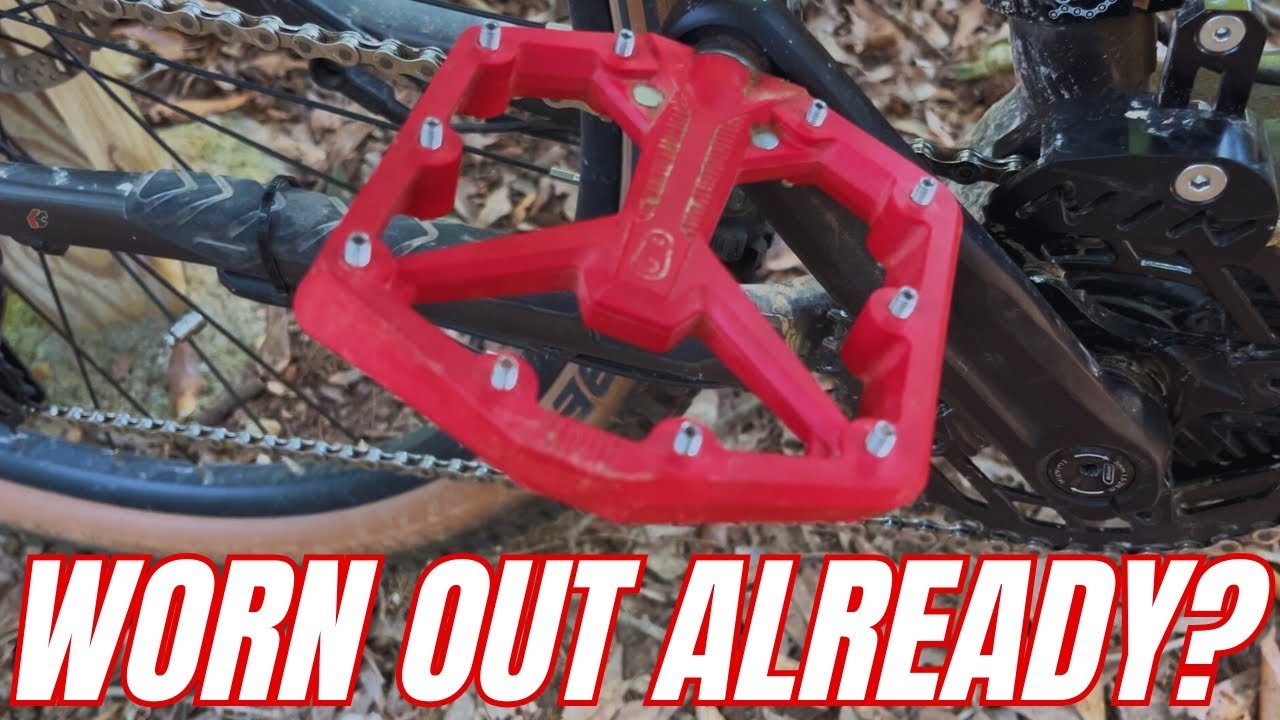
Check pedals regularly for wear and tear. Look for cracks or loose parts. Worn-out pedals can be dangerous. Replace them if needed. Check the bolts and screws. Tighten any that are loose. Ensure the pedal surface is not slippery. Good grip is important for safety. Inspecting pedals often can prevent problems.
Frequently Asked Questions
Is It Worth Upgrading Mtb Pedals?
Upgrading MTB pedals can enhance grip and control. Quality pedals often improve comfort and performance. Choose durable options for better riding experience. Investing in reliable pedals reduces maintenance costs and increases efficiency. Enhanced pedals can make challenging terrains more manageable.
Overall, upgrading pedals is worthwhile for avid mountain bikers.
What Is The First Thing To Upgrade On A Mountain Bike?
Upgrade the tires first to improve grip and control. Choose tires suitable for your terrain and riding style. Enhanced traction can significantly boost your mountain biking experience, making rides safer and more enjoyable. This simple upgrade can transform your bike’s performance effectively.
Do All Mtb Pedals Fit All Bikes?
Not all MTB pedals fit all bikes. Most use standard 9/16″ threading, but check compatibility before purchasing. Some specialized bikes might require unique pedal sizes or styles. Always ensure your bike’s crank arms match the pedal threading for proper fit and functionality.
How Do I Tell If My Pedals Are 1/2 Or 9/16?
Measure the pedal thread diameter using a ruler. 1/2-inch pedals measure around 12. 7mm, while 9/16-inch pedals measure approximately 14. 3mm. Look for markings on the pedal or crank to confirm size. Most adult bikes use 9/16-inch pedals, while children’s bikes often use 1/2-inch pedals.
Conclusion
Upgrading mountain bike pedals enhances your ride experience. Choose pedals that match your style. Ensure compatibility with your bike. Install using tools like a wrench. Test the pedals for comfort and grip. A good pedal upgrade can improve control. It boosts confidence on challenging trails.
Remember to check pedal size and material. Quality pedals last longer and offer better performance. Regular maintenance keeps pedals in top shape. Enjoy smoother rides with your new pedals. Happy biking!



