
Imagine the thrill of hitting the trails with your mountain bike, ready to conquer new terrains. But before you get there, you face a common challenge: how to transport your mountain bike on a car safely and securely.
You want your bike to arrive in perfect condition without any scratches or damage. In this guide, you’ll discover simple and effective methods to transport your mountain bike with ease. Whether you’re an occasional rider or a biking enthusiast, learning these techniques will save you time, stress, and potential repair costs.
Get ready to unlock the secrets to hassle-free bike transportation and ensure your adventures start on the right track!
Choosing The Right Bike Rack
Selecting the right bike rack ensures safe and easy transport of your mountain bike on a car. Consider the vehicle type, bike size, and rack style for a secure fit. Roof, trunk, and hitch racks offer different benefits, fitting various needs and budgets.
Types Of Bike Racks
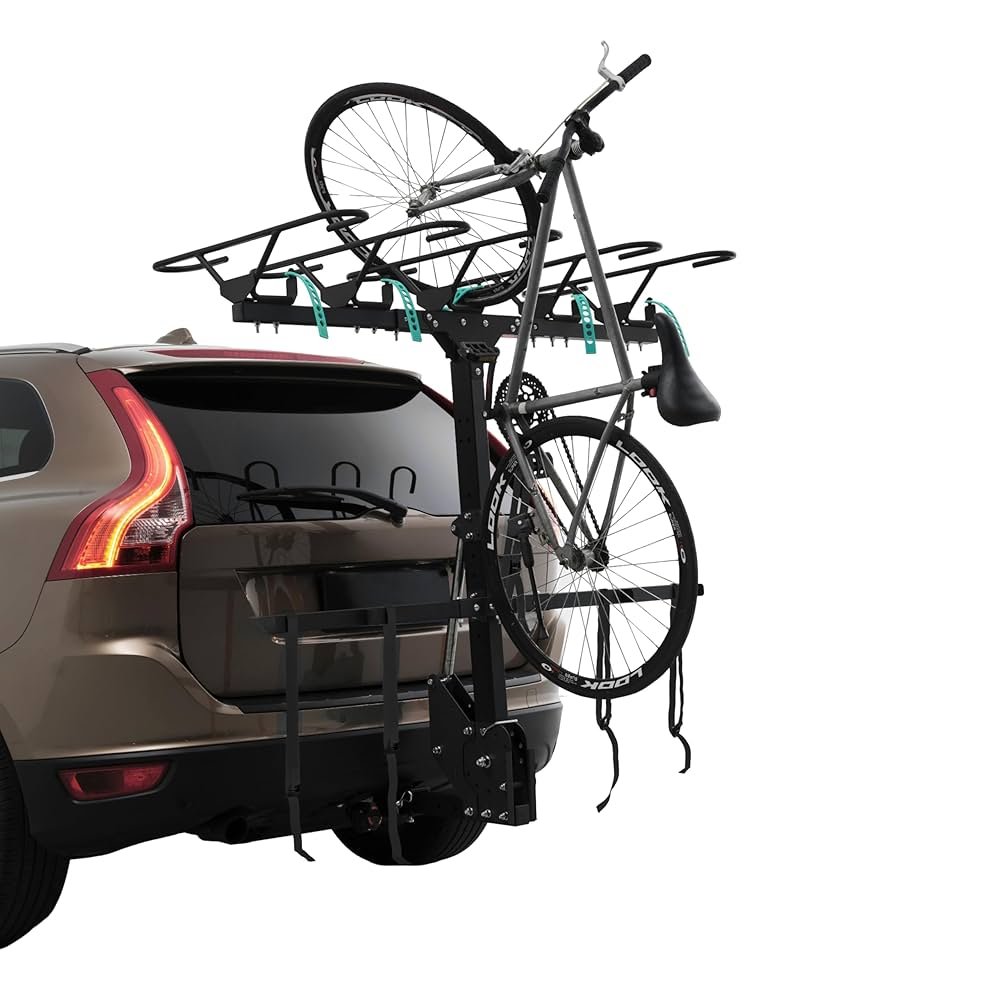
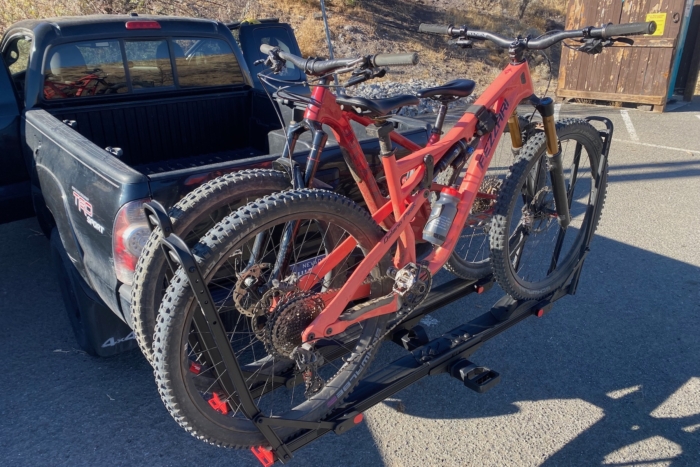
There are three main types of bike racks. Roof racks hold bikes on top of the car. Trunk racks attach to the back of the car. Hitch racks connect to the car’s tow hitch. Each type has its own advantages. Roof racks keep bikes away from dirt. Trunk racks are easy to reach. Hitch racks are strong and steady.
Compatibility With Your Vehicle
Choose a rack that fits your car. Check the size and shape of the rack. Make sure it does not block your view. Some racks need a special hitch or roof rails. Measure your car before buying a rack. Read the rack’s instructions carefully.
Ease Of Installation
Some racks are easy to install. Others need tools and time. Look for racks with simple instructions. Check if the rack includes all needed parts. Practice installing the rack at home. This helps avoid problems later. Safety is important. Make sure the rack is secure.
Credit: gearjunkie.com
Preparing Your Mountain Bike
Make sure all parts are tight. Check the handlebars and pedals. Use a wrench for loose bolts. Remove any extra items like water bottles. Secure the saddle in place. Tape or tie down loose cables. This prevents damage during transport.
Clean your bike to avoid dirt issues. Use a soft cloth and soapy water. Focus on the frame and chain. Dry it well after washing. This keeps your bike in good condition. A clean bike also protects your car.
Check the tire pressure before loading. Use a pump to adjust if needed. Overinflated tires can burst. Underinflated tires may flatten. Proper pressure ensures a safe trip. Always carry a pressure gauge with you.
Loading The Bike Onto The Rack
Position the bike onto the rack by lifting it securely. Ensure the tires fit snugly into the designated slots. Fasten straps tightly to hold the bike in place during transport.
Positioning The Bike Correctly
Place the bike gently onto the rack. Ensure the front wheel faces forward. The bike should sit firmly on the rack arms. Keep the bike centered for balance.
Securing The Frame
Use the provided straps to tie down the frame. Wrap the straps tightly around the frame. This prevents the bike from moving. Check that the straps are not too tight. Avoid damaging the bike’s frame.
Double-checking Straps
Inspect all straps before driving. Make sure no strap is loose. Tighten any slack you find. Pull each strap to test its hold. Secure straps provide safe transport.

Credit: www.carparts.com
Safety Measures During Transport
Ensure the bike rack is securely attached to the car. Check for any loose parts before starting the journey. A stable rack prevents your bike from falling off. Listen for unusual noises while driving. Adjust the rack if necessary.
Drive smoothly to keep the bike safe. Sudden stops can cause the bike to shift or fall. Maintain a safe distance from other vehicles. This gives you time to brake gently. Slow down in areas with heavy traffic.
Inspect the straps often during long trips. Ensure they are tight and secure. Loose straps can lead to accidents. Stop occasionally to check them, especially after bumpy roads. Replace any damaged straps immediately.
Unloading And Post-transport Care
Ensure the car is parked and stable. Carefully unlock the bike rack. Hold the bike firmly while removing it from the rack. Watch for any loose parts during removal. Handle the bike gently to avoid scratches. Check the area around the bike for obstacles.
Look over the bike for any dents or scratches. Check the tires for any punctures. Spin the wheels to ensure they move freely. Examine the chain and gears for damage. Test the brakes for smooth operation. If any issues, note them for repairs.
- Clean the rack before storage.
- Inspect for any broken parts.
- Fold the rack neatly if possible.
- Store in a dry and safe place.
- Ensure it’s ready for the next use.
Tips For Long-distance Transport
Plan the safest route for your mountain bike. Avoid busy highways. Scenic routes might be longer but are often safer. Always check for road conditions and traffic updates. This ensures a smooth journey without delays. Using a GPS can help you find the best paths.
Check the weather before starting your trip. Rain can make roads slippery. Windy conditions might affect your car’s balance. Always carry a rain cover for your bike. This keeps it dry and safe. Adjust your driving speed based on the weather. Safety first!
Plan regular stops to check your bike. Ensure it’s securely attached to the car. Tighten any loose straps. Look for any damage or wear. Take these breaks every two hours. Stretch your legs and relax. This keeps you alert and ready.
Credit: www.santacruzforums.com
Frequently Asked Questions
How To Carry A Mountain Bike On A Car?
Use a roof or hitch bike rack to carry a mountain bike on your car. Secure it properly with straps. Ensure the bike is stable and doesn’t obstruct your view. Consider a trunk-mounted rack for easy installation. Choose a rack compatible with your car model for safety.
Can You Get Pulled Over For Having A Bike Rack On Your Car?
Yes, you can get pulled over if your bike rack obstructs your license plate or lights. Ensure the bike rack is securely attached and does not block visibility. Always follow local laws and regulations regarding bike racks to avoid fines or penalties.
Is It Okay To Lay A Bike On Its Side?
Laying a bike on its side can cause damage, especially to the derailleur, handlebars, and frame. Always rest it gently on soft ground to avoid scratches and mechanical issues. Consider using a kickstand or bike rack for safe storage.
How Much Does Ups Charge To Ship A Bicycle?
UPS shipping costs for a bicycle vary based on size, weight, and distance. Expect rates from $50 to $200. Use UPS’s online calculator for an accurate estimate. Packaging fees might apply. Consider shipping insurance for added protection. Contact UPS customer service for detailed pricing information.
Conclusion
Transporting a mountain bike on a car is easy with the right steps. Use a roof rack for secure placement. Trunk racks offer quick and simple solutions. Hitch racks provide stability for long trips. Always double-check all straps and locks before driving.
Protect your bike with padding or covers. This ensures your bike stays safe and scratch-free. Plan your route to avoid rough roads. This keeps your bike secure during the journey. Enjoy the ride and adventure ahead!



