
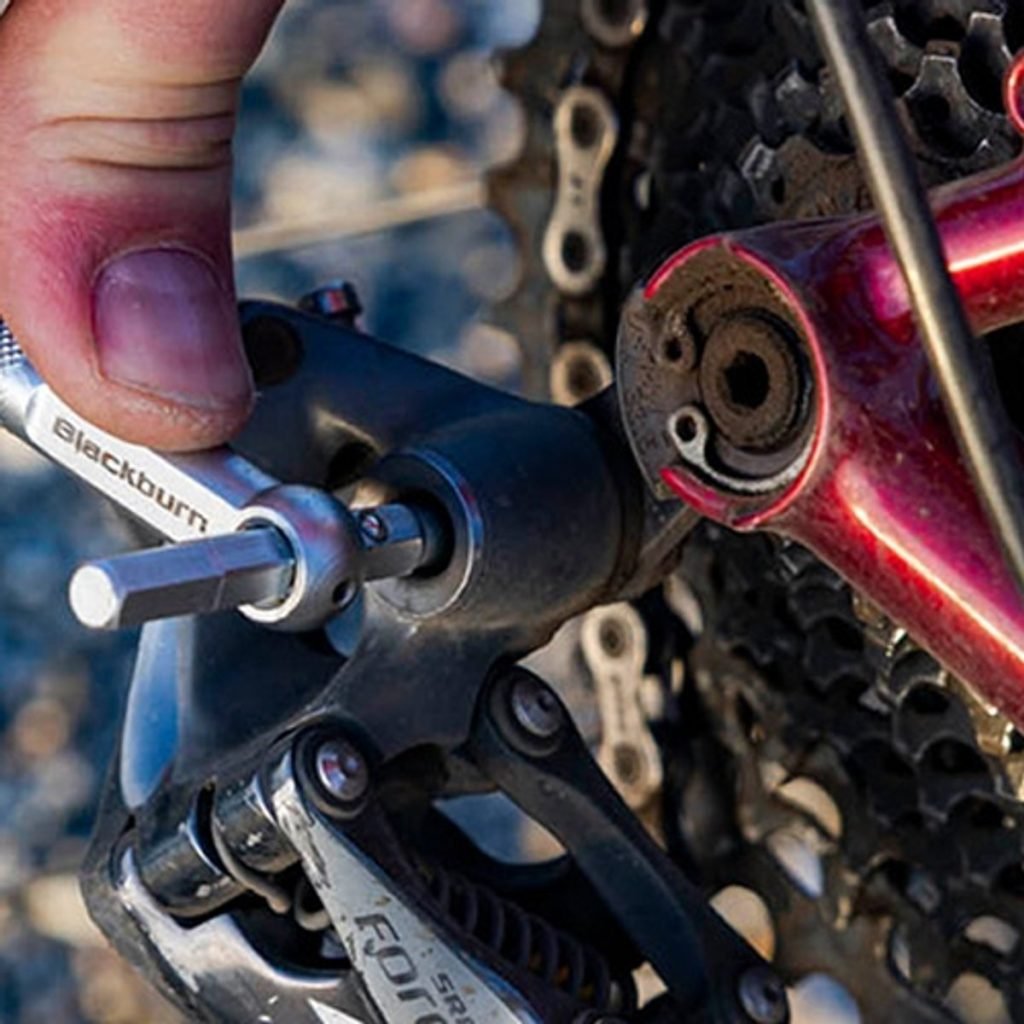
If your mountain bike isn’t shifting gears smoothly, it might be time to adjust the derailleur. This essential component ensures that your ride stays efficient and enjoyable.
You might feel intimidated by the mechanics, but don’t worry—adjusting your derailleur can be straightforward. Imagine conquering trails with ease, feeling the thrill of seamless gear changes as you navigate challenging terrains. With the right adjustments, you can transform your biking experience.
Dive into this guide to learn how to tweak your derailleur for optimal performance. Let’s make sure every ride is as exhilarating as it should be.

Credit: www.thalinepal.com
Tools Needed
Adjusting a mountain bike derailleur needs a few key tools. A Phillips screwdriver is essential for fine-tuning. It helps adjust the limit screws. These screws control the range of the derailleur. An Allen key set is also important. It tightens the bolts on the bike frame and derailleur. This ensures everything is secure. A bike stand can be handy too. It keeps the bike stable while you work. This makes adjustments easier and safer. A rag or cloth is useful for cleaning. It removes dirt and grime from the derailleur. Lubricant is needed to keep moving parts smooth. It reduces wear and tear. These tools make adjusting easier and effective.
Understanding Derailleur Components
The derailleur is a key bike part. It helps shift gears smoothly. This component has several parts. The cageholds the chain and moves it. The jockey wheelsguide the chain. The hangerconnects the derailleur to the bike. These parts work together for a seamless ride.
The springkeeps tension on the chain. This prevents it from slipping. The limit screwsset the range of movement. They stop the chain from falling off. The adjustment barrelfine-tunes the cable tension. This ensures precise gear changes. Knowing these parts helps in fixing problems.
Diagnosing Common Issues
Derailleurs can sometimes stop working properly. Common issues include poor shifting, chainslipping, and strange noises. Listen for any clicking or rattling sounds. These sounds might mean a problem. Check if the chain is not moving smoothly. A sticky chain can make riding hard. Ensure the derailleur is not bent or damaged. Look at the cable tension too. Too tight or too loose can cause trouble.
Examine the derailleur hanger. It should be straight. A bent hanger affects performance. Use a ruler to check alignment. Watch for gaps between the chain and gears. Gaps can lead to poor shifting. Always keep your bike clean. Dirt can cause many issues. Regular maintenance helps keep the bike in top shape.
Preparing The Bike
First, place your bike on a sturdy stand. This keeps it stable. Ensure the chain is clean. A dirty chain makes adjustments hard. Gather all necessary tools. You will need a screwdriver and a wrench. Check the derailleur hanger. It should be straight. A bent hanger causes shifting issues. Inspect the cables for any damage or rust. Damaged cables need replacing. This ensures smooth shifting. Lubricate the chain lightly. This reduces friction.
Spin the pedals slowly. Watch the chain move over the gears. Notice any skips or jumps. This helps identify problems. Always wear protective gloves. Safety is important when handling tools. Now, you’re ready to start adjusting. Take your time. Patience leads to better results.
Adjusting Cable Tension
Begin by shifting your bike to the smallest gear. This helps in setting the cable tension right. Locate the barrel adjuster on the derailleur. Turn it clockwise to tighten the cable. Turn it counterclockwise to loosen it. Make small adjustments, one quarter turn at a time. Test the shifting after each adjustment. The chain should move smoothly between gears. If it hesitates, adjust the tension again. Ensure the derailleur is aligned correctly. Misalignment can cause poor shifting.
Check the cable for wear or fraying. Replace it if necessary. A clean and well-lubricated cable works best. Keep the derailleur free from dirt and debris. Regular maintenance helps in smooth operation. Always keep your tools handy. A well-adjusted derailleur makes biking fun and safe.
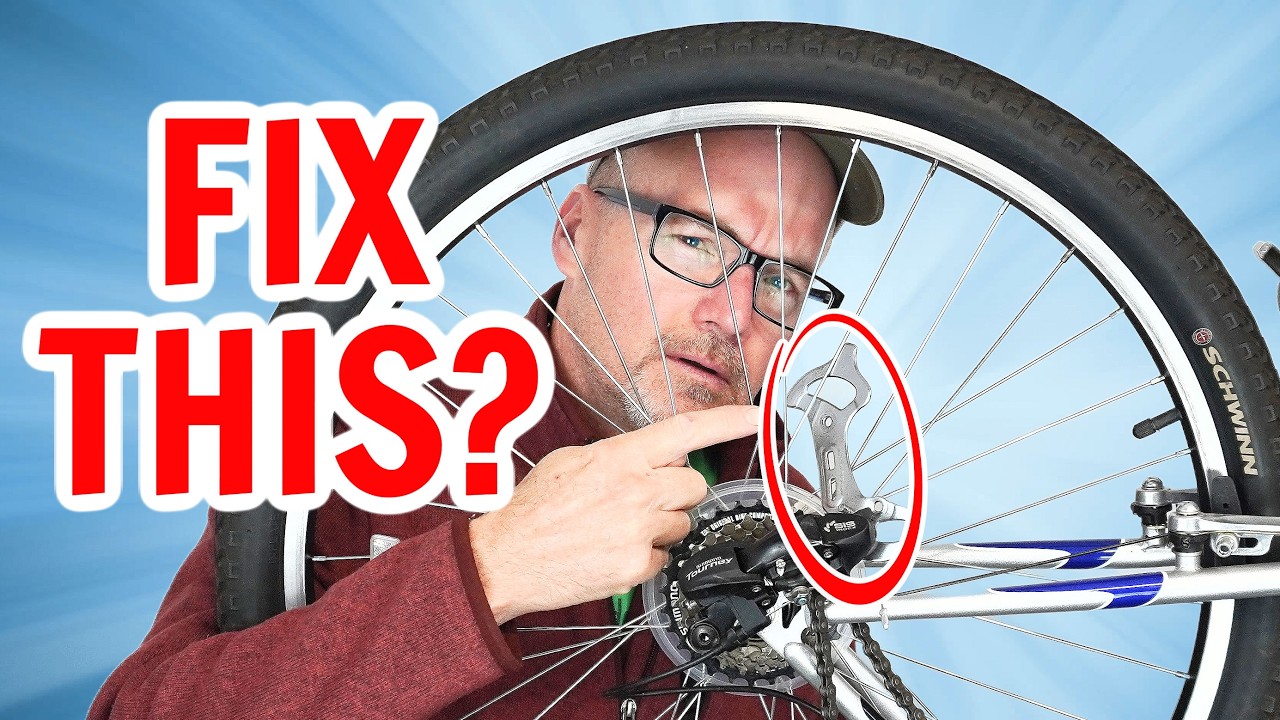
Credit: www.youtube.com
Setting Limit Screws
Adjust limit screws on your mountain bike derailleur to prevent chain misalignment. First, locate the high and low limit screws. Then, turn them carefully to align the derailleur with the smallest and largest cogs.
High Limit Screw
The high limit screw controls the outward movement of the derailleur. Turn the screw to the right to restrict movement. This prevents the chain from falling off. Rotate the pedal slowly and check the chain’s position. Ensure it aligns with the smallest cog. If not, adjust the screw carefully. Small turns make a big difference. Keep checking the alignment as you adjust.
Low Limit Screw
The low limit screw controls the inward movement. It keeps the chain from falling into the spokes. Turn the screw to the right to limit movement. Rotate the pedal and watch the chain. It should align with the largest cog. Adjust the screw if it doesn’t line up. Make small adjustments and check often. Proper alignment ensures smooth shifting and safe rides.
Fine-tuning The Indexing
To adjust your mountain bike derailleur, focus on the indexing. Turn the barrel adjuster on the derailleur. This helps align the gears properly. Check if the chain shifts smoothly. If not, continue adjusting. Each click of the adjuster makes a difference. You want the chain to move easily between gears. Listen for any strange noises. If you hear them, adjust more. Keep testing by shifting the gears. Make sure the chain doesn’t skip. This means everything is aligned well. Repeat until the shifting is smooth.
Ensuring Smooth Shifting
Mountain bikeshave gears to help you ride easily. The derailleur moves the chain between gears. Adjustingit can make riding smoother. Follow these steps to ensure smooth shifting.
- Check if the derailleur is clean. Dirt can make it work badly.
- Turn the pedals slowly. Watch how the derailleur moves the chain.
- If it doesn’t move right, use a screwdriver. Adjust the screws.
- Small adjustmentscan make a big difference.
- Test the gears. Shift up and down to check smoothness.
- If still not smooth, check the cables. They might need changing.
Keep your bike clean and check it often. This helps it last longer and ride better.
Testing On Trails
Take your bike to a safe trail. This will help you test the derailleur. Listen carefully as you shift gears. The shift should be smooth and quiet. If there is noise, you may need to adjust again. Make sure each gear works well. Ride slowly at first. Feel the bike’s response. Is it quick and easy? If not, check the derailleur alignment. Watch the chain closely. It should not jump off.
Test on different terrains. Try uphill and downhill. This will ensure the derailleur works everywhere. If problems occur, stop and check. Adjust as needed. Always carry your tools when testing. Safety is important. Wear a helmet and pads. Enjoy the ride!
Maintenance Tips
Adjusting a mountain bike derailleur ensures smooth gear shifts. Begin by checking alignment with the smallest cog. Turn barrel adjuster to fine-tune cable tension. Test shifting for accuracy across all gears.
Check For Wear And Tear
Regularly inspect your mountain bike derailleur for any signs of wear and tear. Look for bent parts, rust, or frayed cables. These issues can affect your bike’s performance. Replace any damaged parts immediately to ensure smooth rides.
Keep It Clean
Keep your derailleur clean to maintain its efficiency. Use a soft brush and mild soap to remove dirt and grime. Rinse with water and dry thoroughly. A clean derailleur shifts gears more smoothly.
Lubricate Moving Parts
Lubricate the moving parts of the derailleur with a light bike oil. This reduces friction and prevents rust. Apply oil sparingly to avoid attracting dirt.
Adjust Cable Tension
Ensure the cable tension is just right. Too tight or too loose cables can cause shifting problems. Use the barrel adjuster to make small tension changes.

Credit: www.youtube.com
Frequently Asked Questions
How Do I Know If My Derailleur Needs Adjustment?
A derailleur needs adjustment if the bike struggles to shift gears smoothly or skips gears unexpectedly. Listen for grinding noises or chain rubbing sounds. Check if the derailleur aligns with gears accurately and inspect cable tension. Regular maintenance ensures optimal performance and prolongs the life of your bike’s drivetrain.
How To Adjust Rear Mtb Derailleur?
Start by shifting to the smallest cog. Turn the barrel adjuster clockwise for tighter cable tension. Align derailleur with the smallest cog. Adjust the limit screws for smooth shifting. Ensure the derailleur moves precisely between gears. Test gear changes to confirm proper adjustment.
What Are The H And L Screws On A Rear Derailleur?
The H and L screws on a rear derailleur adjust the high and low gear limits. They prevent the chain from falling off the cassette. Proper adjustment ensures smooth shifting and protects your bike.
What Is The H And L On A Mountain Bike?
H and L on a mountain bike refer to the high and low limit screws. These screws adjust the derailleur’s range, preventing the chain from shifting off the gears. Proper adjustment ensures smooth and safe gear transitions.
Conclusion
Adjusting your mountain bike derailleur is easier than it seems. Follow simple steps to ensure smooth gear shifts. Pay attention to cable tension and limit screws. These adjustments keep your bike running well. Regular checks prevent unwanted surprises on the trail.
Practice makes perfect. Each adjustment improves your skills and confidence. Remember, patience is key. With time, you’ll handle adjustments like a pro. Keep your bike in top shape and enjoy the ride. Happy cycling!



