
Picture this: you’re gliding down a rugged trail, the wind in your face, surrounded by nature’s breathtaking beauty. Mountain biking offers an exhilarating escape, but it’s not without its risks.
As a beginner, you might feel a mix of excitement and apprehension. You want to savor every moment, but you also need to stay safe. That’s where we come in. This guide is crafted just for you, packed with essential mountain bike safety tips tailored to ensure your adventures are thrilling yet secure.
Keep reading to discover how you can confidently tackle any trail with peace of mind and keep the adrenaline rush alive. Your safety is the key to unlocking countless memorable rides ahead.
Choosing The Right Gear
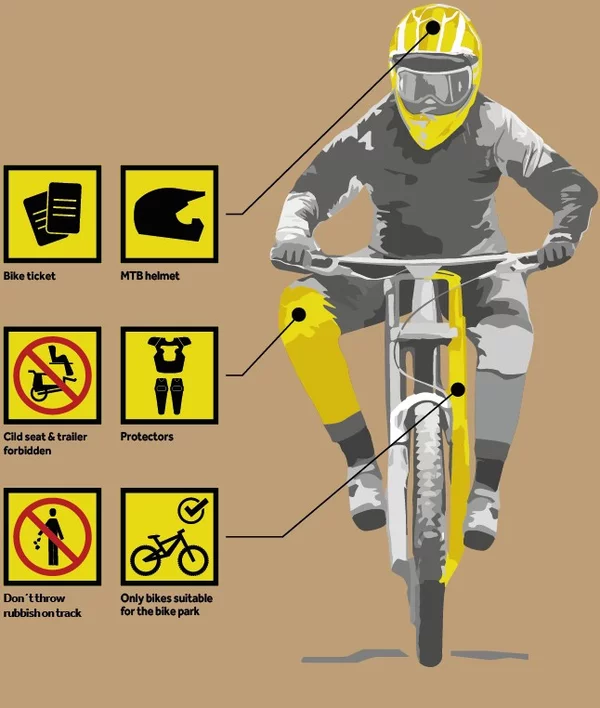
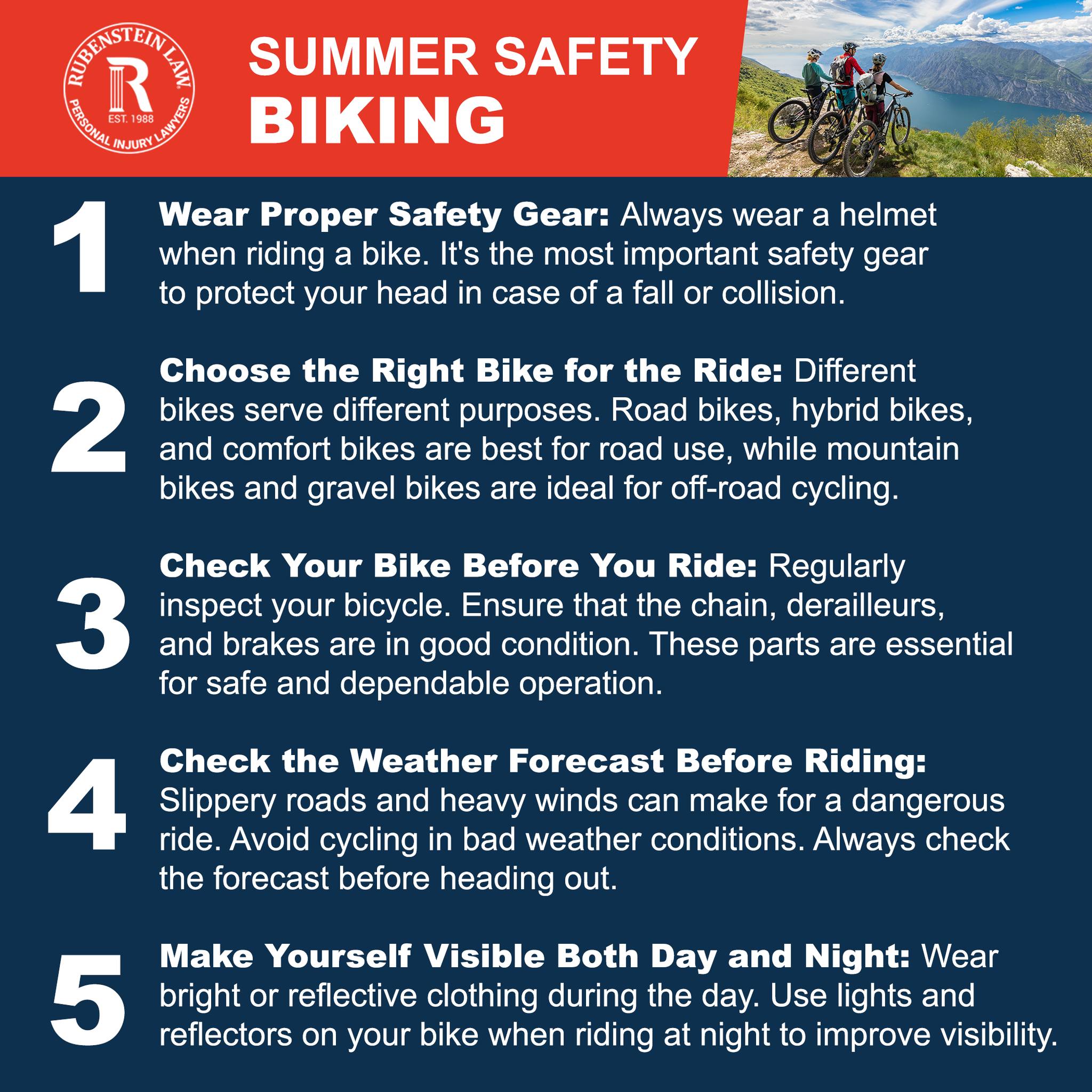
Wear a helmetevery time you ride. Choose one that fits snugly. Make sure it covers your forehead. Look for ventilationholes to keep cool. Check for a chin strapthat is easy to adjust.
Wear clothes that protect your skin. Opt for long sleevesand pants. Choose bright colorsto be seen easily. Consider clothing with paddingfor extra safety. Avoid loose clothes that can snag.
- Wear sturdy shoeswith good grip.
- Choose glovesfor better handle control.
- Gloves can protect your hands in a fall.
- Ensure your shoes fit well to avoid slipping.
Credit: www.facebook.com
Bike Setup
Seat height is important for comfort and control. Make sure your feet can touch the ground. This helps with balance and safety. Adjust the seat so your leg is almost straight. This makes pedaling easier and more efficient. Double-check the seat is secure and won’t move.
Tires need the right pressure for safe riding. Check them often. Use a pump with a gauge. This shows the pressure level. Under-inflated tires can be dangerous. They make riding harder and slow. Over-inflated tires can burst. Follow the recommended pressure on the tire’s side.
Brakes must work well for safety. Test them before every ride. Squeeze the brake levers. They should stop the bike quickly. Check the brake pads. They should not be worn out. Gears help with climbing hills. Make sure they shift smoothly. Listen for strange noises. This can signal a problem.
Trail Etiquette
Respect other trail users and always yield to hikers and horseback riders. Stay on designated paths to protect nature. Communicate with a bell or friendly voice to avoid surprises on the trail.
Yielding To Others
Always be polite on the trail. Let hikers go first. If horses are nearby, stop and wait. Keep your speed low near people. Say “hello” when you pass someone. It makes everyone happy.
Respecting Wildlife
Animals live in the wild. Keep away from them. Do not feed or touch animals. Stay on the marked trail. Protect their home by not disturbing them. Pick up any trash you see. Keep nature clean and safe.
Trail Maintenance
Help keep trails in good shape. If you see trash, pick it up. Report any broken signs or paths. Stay on the trail to prevent damage. Join local groups for trail work. Your help makes a big difference.

Credit: www.bikeradar.com
Riding Techniques
Beginner mountain bikers should prioritize safety by wearing protective gear and checking their bike before each ride. Navigating trails requires controlled speed and awareness of surroundings to prevent accidents. Always practice proper braking and balance to maintain control on uneven terrain.
Proper Body Position
Keep your back straight and bend your knees slightly. Balance is key to control. Gripping the handlebars firmly helps maintain stability. Your eyes should look ahead, not down at the wheel.
Handling Turns
Shift your weight to the outside pedal. Lean your bike into the turn gently. Watch for obstacles in your path. Slow down before the turn, then pedal smoothly through it.
Braking Tips
Use both brakes for more control. Apply the front brake gently to avoid flipping. Press the rear brake to slow down safely. Practice braking on different surfaces. Know your stopping distance.
Emergency Preparedness
Mountain biking requires essential safety measures for beginners. Wear a helmet and check your bike before every ride. Carry a basic repair kit and first-aid supplies to handle unexpected situations on trails.
First Aid Kit Essentials
Always carry a first aid kitwhen riding your mountain bike. Include band-aids, antiseptic wipes, and gauze pads. Add a small pair of scissors and adhesive tape. A pain reliever like ibuprofen is helpful. Don’t forget tweezers for removing splinters. Keep everything in a waterproof bag. Easy to reach is best.
Communication Devices
Stay safe with a reliable communication device. A mobile phone is a must. Ensure it’s fully charged before your ride. A portable charger can be handy. Consider a walkie-talkie if riding in groups. Inform someone about your route and expected return time. This helps if you get lost or hurt.
Weather Considerations
Check the weather forecast before biking. Dress in layers for changing weather. Bring a rain jacket if rain is possible. Avoid riding during storms or high winds. Wet trails can be slippery and dangerous. A hat or sunglasses protect from the sun. Stay safe by being weather-ready.
Building Confidence
Building confidence on a mountain bike begins with understanding essential safety tips. Wear a helmet, check brakes, and ride within your limits to ensure a safe and enjoyable experience.
Starting Small
Begin with easy trails to build your confidence. Choose paths with few bumps. Practice basic skills like braking and steering first. Safety gear is crucial. Always wear a helmet and pads. Check your bike before each ride. Make sure the brakes work well. Keep your tires properly inflated.
Gradual Skill Development
Improve skills slowly by trying new techniques. Focus on one skill at a time. Learn to ride over small rocks. Try gentle slopes before tackling steep hills. Celebrate each small success. Every ride helps you learn more. Keep practicing regularly to get better.
Learning From Others
Watch experienced riders to learn tips. Join a biking group to get advice. Ask questions if unsure about something. Riding with friends can be fun and safe. Listen to their stories and learn from their mistakes. Share your own experiences too. Everyone has something to teach.

Credit: www.youtube.com
Frequently Asked Questions
What Is The N 1 Rule For Mtb?
The N+1 rule for MTB (mountain biking) suggests owning one more bike than you currently have. It emphasizes the idea that there’s always room for one more bike in your collection, enhancing versatility and enjoyment in different riding conditions.
How To Be Safe While Mountain Biking?
Wear a helmet and protective gear to prevent injuries. Check your bike’s brakes and tires before each ride. Stay on marked trails and watch for obstacles. Ride within your skill level and communicate with fellow riders. Carry a first aid kit and phone for emergencies.
What Is The Most Common Injury In Mountain Biking?
The most common injury in mountain biking is a broken collarbone. Riders often fall off their bikes, leading to this injury. Wearing protective gear and practicing safe riding can reduce risks. Maintaining control and avoiding obstacles also help prevent accidents.
Always prioritize safety during mountain biking adventures.
Why Do Mountain Bikers Wear Baggy Shorts?
Mountain bikers wear baggy shorts for comfort and freedom of movement. They offer better protection and durability. Baggy shorts also include pockets for storage and look stylish. Breathable materials keep bikers cool during rides, enhancing overall performance.
Conclusion
Stay safe while mountain biking with these tips. Always wear a helmet. Keep your bike in good condition. Practice makes perfect; ride often. Choose trails that match your skill level. Watch out for other bikers and hikers. Bring water and snacks for energy.
Check the weather before you go. Stay alert and focused on the path. Remember, safety first leads to fun rides. Enjoy the thrill of mountain biking responsibly. Embrace the adventure, but never compromise safety. Happy biking on those rugged trails!



