
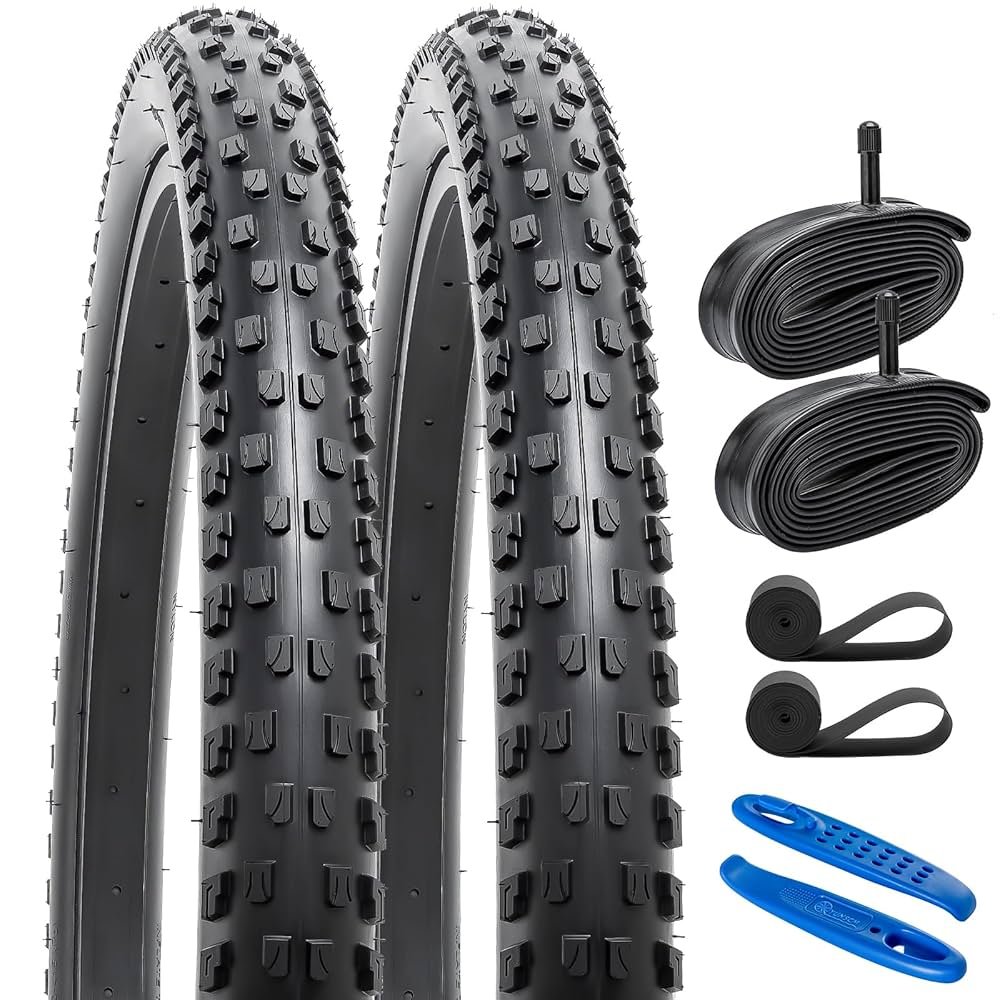
Are you ready to hit the trails and feel the thrill of mountain biking? Before you dive into the adventure, there’s something crucial you need to know: the difference between mountain bike tire treads.
Understanding tire treads can make all the difference in your biking experience. It’s not just about getting from point A to point B; it’s about how you ride, how you handle the terrain, and how much fun you have along the way.
Different treads offer different levels of grip, speed, and control. Choosing the right one can elevate your ride from bumpy and frustrating to smooth and exhilarating. Curious about what makes each tread unique and which one is perfect for your next ride? Let’s explore the details together, so you can make the most informed choice and maximize your mountain biking adventures.
Tire Tread Basics
Tread patternshelp mountain bikes grip the ground. They keep riders safe on rough paths. Different patterns suit different terrains. Some are good for mud, others for rocky trails. Picking the right tread pattern is important. It affects how well the bike rides.
Tread patterns change how fast a bike can go. They also affect how easily it can stop. Smooth treads are faster but less grippy. Knobby treads grip better but slow down. Riders choose treads based on their needs. Some want speed. Others need more control. The right tread gives a better ride.

Credit: bikespalmbeach.com
Types Of Mountain Bike Treads
Cross country treads are light and fast. They have small knobs for speed. These treads perform well on smooth trails. They provide excellent grip on hard surfaces. Racers often choose these for their lightweight design. They are perfect for long rides. These tires focus on speed and efficiency. They are best for dry conditions.
Trail treads offer balance between grip and speed. They have medium-sized knobs for versatile use. These tires handle different terrains. Trail riders prefer them for their durability. They work well on rocky and muddy paths. These treads are good for both climbing and descending. They provide stability and control. Perfect for mixed terrain adventures.
Downhill treads are designed for steep descents. They have large, aggressive knobs for grip. Downhill riders use them for maximum traction. These tires are heavier and stronger. They handle rough and challenging trails. Perfect for technical descents and jumps. These treads focus on safety and control. Ideal for extreme mountain biking.
Tread Design Features
Mountain bike tire treads vary for different terrains. Knobby treads provide grip on loose soil and trails. Smooth treads suit paved paths and hard surfaces, offering less resistance.
Knob Size And Shape
Mountain bike tires have different knob sizes. Large knobs grip mud better. Small knobs roll faster on hard trails. The shape of knobs also matters. Square knobs offer strong grip. Round knobs provide smooth rides. Choose the right knob for your trail.
Spacing And Arrangement
Knobs are spaced differently on tires. Wide spacing helps in muddy areas. Close spacing is good for dry, smooth trails. The arrangementof knobs affects performance. Some tires have a zig-zag pattern. Others have a straight line of knobs. This choice impacts your ride.
Rubber Compound Variations
The rubber compoundaffects tire grip. Soft rubber grips better but wears quickly. Hard rubber lasts longer but can slip. Some tires mix soft and hard rubber. This provides a balance between grip and wear. Choose based on where you ride most.

Credit: www.instagram.com
Terrain Considerations
Mountain bike tire treads vary for different terrains. Smooth treads excel on hard surfaces, while knobby treads grip loose soil. Choosing the right tread enhances performance and safety.
Rocky Terrain
Rocky terrainsneed tires with strong grip. Deep treads are important. They help in climbing rocks easily. The tires should be durable. Rocks can damage weak tires. Look for tires with thick rubber. This protects against sharp edges. Stability is key on rocky paths.
Muddy Trails
Muddy trails require special tires. Wide, spaced treads are best. They prevent mud from sticking. This keeps the bike moving smoothly. Tires with good traction are needed. Mud can be slippery. Choose tires that won’t slip easily. Keeping balance is crucial in muddy areas.
Dry And Loose Conditions
Dry and loose conditions need unique tires. Small, dense treads work well. They grip loose soil better. Tires should be lightweight. This helps in sandy areas. Quick movement is important. The tires should offer good control. Dust and sand can be tricky.
Choosing The Right Tread
Mountain bike tirescome in different treads. Each tread suits a riding style. Smooth treads are best for fast rides. They roll easily on hard surfaces. Knobby treads are great for tough trails. They grip well on loose dirt and mud. Your riding preferencematters. Do you like speed or control? Choose based on what you enjoy most.
Trail conditions vary. Some trails are rocky. Others are muddy or sandy. A tire that grips rocks may not work in mud. Know your local trails. Pick a tire that handles those conditions. A wrong choice can make riding hard. Right tires make rides smooth and fun.
Balancing grip and speed is key. Too much grip slows you down. Too little grip can be risky. Choose a tread that offers both. Medium tread tires often work well. They provide good grip and decent speed. Find the right balance for a safe and fun ride.
Maintenance Tips
Mountain bike tire treads vary for different terrains. Knobby treads provide grip on loose trails, while smoother treads suit hard surfaces. Understanding tread patterns helps in choosing the right tire for your ride.
Regular Inspections
Check tires often for damage or wear. Look for cuts or punctures. Inspect tread pattern and depth. Ensure tires are not bald. Bald tires can slip easily. Check sidewalls for cracks. Cracked sidewalls may cause a blowout.
Optimal Tire Pressure
Keep tire pressure in right range. Too high can cause bouncing. Too low may lead to flats. Use a pressure gauge to check. Follow the manufacturer’s guide for pressure. Proper pressure helps with grip and control.
Cleaning And Storage
Clean tires after muddy rides. Use water and mild soap. Remove dirt and rocks from treads. Dry tires before storing. Store in a cool, dry place. Avoid direct sunlight. Sunlight can damage rubber.

Credit: enduro-mtb.com
Frequently Asked Questions
What Is The Difference Between Tire Treads?
Tire treads differ in design to optimize performance for various conditions. All-season treads provide balanced traction. Winter treads enhance grip on snow and ice. Summer treads improve handling in dry conditions. Off-road treads offer durability and traction on rough terrains.
Each tread type is tailored for specific driving needs.
Which Is Faster, 25mm Or 28mm?
The 25mm tire generally offers faster speed due to less rolling resistance compared to the 28mm tire. For optimal performance, choose based on terrain and comfort preference.
How Much Of A Difference Does Tire Tread Make?
Tire tread significantly impacts traction, handling, and safety. Worn treads reduce grip, increasing the risk of accidents. Good tread ensures optimal performance, especially in wet conditions. Regularly check and replace tires to maintain safety and efficiency. Proper tread depth improves braking and cornering stability.
Prioritize tire maintenance for a safer driving experience.
What Are The Three Types Of Bike Tires?
Bike tires come in three types: clincher, tubeless, and tubular. Clincher tires have an inner tube. Tubeless tires seal directly to the rim. Tubular tires are glued to the wheel. Each type offers unique benefits for different riding styles and conditions.
Conclusion
Choosing the right mountain bike tire tread is crucial. Different treads serve different terrains. Smooth treads excel on paved paths. Knobby treads grip rough trails better. Mixed treads offer versatility for varied conditions. Consider your riding style and environment. Proper tread choice enhances control and safety.
Better performance on your rides. Always check tire compatibility with your bike. Regular maintenance extends tire life. Understanding tire treads helps you ride confidently. Enjoy your mountain biking adventures!



