
Are you tired of struggling with your bike’s gears every time you hit a new trail? Whether you’re cycling through smooth city streets or tackling rugged mountain paths, choosing the right gear can make all the difference in your ride.
Imagine gliding effortlessly up a steep hill or cruising along a flat road without a hitch. Sounds perfect, right? In this guide, you’ll discover how to select gears that match any terrain you encounter. Get ready to transform your cycling experience and unlock the secrets to smoother, more enjoyable rides.
Dive in and let’s gear up for success!

Credit: obedbikes.com
Choosing The Right Gear Ratio
Gear ratios are numbers that show how fast wheels turn. A higher ratio means more speed but less power. A lower ratio means more power but less speed. It’s like a see-saw. One side goes up, the other goes down. Choosing the right ratio makes biking easier. It helps you go fast or climb hills.
Flat roads need different gears than steep hills. Flat roads need higher gear ratios. This makes biking faster. Steep hills need lower gear ratios. This gives more power to climb. Rocky paths need even lower ratios. They need lots of power. Matching gear to terrain makes biking fun.
Flat Terrain Gear Selection
Higher gears make it easier to pedal faster. This helps you go long distances quickly. Less pedaling means less tiredness. You save energy. It is also ideal for smooth roads. Higher gears keep your speed steady. Enjoy a smooth and fun ride.
Use higher gears to keep a steady speed. This helps you stay balanced. Efficient pedaling saves your energy. You can ride longer without getting tired. Proper gear helps your bike run smoothly. Riding becomes more comfortable and fun.
Hilly Terrain Gear Selection
Choosing the right gear for hilly terrains ensures a smooth ride. Consider the slope and your fitness level. Lower gears help on steep climbs, while higher gears are suitable for flat stretches.
Navigating Steep Climbs
Steep hills can be tough to climb. Use a low gearfor climbing. It makes pedaling easier and helps you go up smoothly. Your legs will feel less tired. Keep your speed steady. This prevents slipping on the hill.
Balancing Effort And Speed
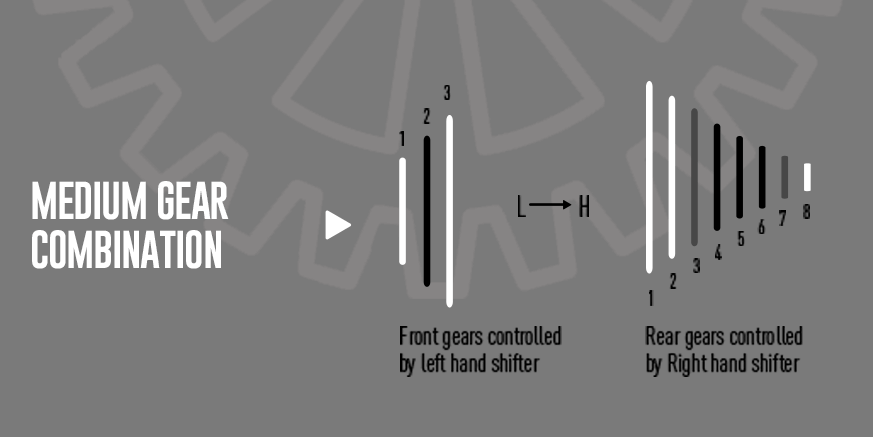
Find the right gear to balance effort and speed. Use a medium gearon gentle slopes. It keeps you moving without much effort. For faster speed downhill, switch to a high gear. This helps you go faster with less pedaling. Always check your gears to match the terrain.
Mountainous Terrain Gear Selection
Choosing the right gear for mountainous terrain ensures safety and ease. Consider the terrain type, weather, and your skill level. Prioritize durable, waterproof equipment for unpredictable conditions.
Mastering Low Gears
Low gears are best for climbing hills. They make pedaling easier. Low gears help conserve your energy. Always shift to low gear before a steep hill. This helps maintain your speed. Avoid sudden gear changes on steep slopes. It can damage your bike. Practice makes perfect. Keep trying to get better.
Handling Sharp Inclines
Sharp inclines need quick gear changes. Start with a low gear. Increase your cadence as you climb. Keep your body steady. Lean forward slightly for balance. Use your upper body strength. Grip the handlebars tightly. Stay focused on the path ahead. Watch out for rocks and roots. Keep your eyes on the trail.
Off-road Terrain Gear Selection
Selecting the right gear for off-road terrain depends on conditions. Muddy paths require traction-enhancing tires and high ground clearance. Rocky landscapes benefit from durable suspension systems and skid plates for protection.
Adapting To Uneven Surfaces
Choosing the right gearsfor uneven surfaces is vital. Low gears help climb steep hills. They give power and control. High gears are good for flat areas. They help maintain speed easily. Switch gears smoothlyto avoid sudden jerks. Always be ready to change gears.
Optimizing Traction And Control
Traction keeps wheels from slipping. Low gearsare great for muddy or sandy paths. They offer better grip. High gears are less useful here. Control is important on rough trails. Always check tire pressurefor optimal control. Adjust gears based on terrain conditions.
Credit: www.emotorad.com
Wet And Slippery Terrain Gear Selection
Selecting the right gear for wet and slippery terrains ensures safety and stability. Choose shoes with strong grip and water-resistant materials. Opt for lightweight, durable clothing to maintain comfort during the journey.
Preventing Wheel Spin
Choose lower gears to maintain control on slippery roads. Lower gears help your car stick to the road. Avoid sudden acceleration to prevent wheel spin. Slow and steady wins the race. Keep your speed consistent. Use gentle braking to avoid skidding. Hard brakes can make wheels spin. Stay alert and focused.
Ensuring Stability And Safety
Maintain a safe distance from other vehicles. This gives you time to react. Use all-wheel drive if available for better grip. It provides more stability on wet roads. Check your tires for proper tread and pressure. Good tires help maintain traction. Always stay calm and drive carefully. Your safety comes first.
Urban Terrain Gear Selection
In cities, bikes stop and start often. Choose lower gearsfor quick stops. This helps you start smoothly. Lower gears need less effort. You can pedal easily. It’s great for short rides.
Traffic can be tricky. Use medium gearsto navigate safely. Medium gears let you move steadily. You can change speed easily. Watch out for obstacles like potholes. Gears help you avoid them. Stay alert and safe.
Credit: www.firefoxbikes.com
Adjusting Gears For Weather Conditions
Selecting the right gears for different terrains involves understanding weather conditions. Wet roads demand lower gears for better traction. In contrast, dry, rocky paths require higher gears for smooth navigation. Adjusting gears appropriately ensures safety and enhances biking experience across various landscapes.
Cold Weather Considerations
Cold weather can make gears stiff. Use a lower gear to keep control. Pedal smoothly to avoid slipping. Wear gloves for grip. Check the bike chain for ice. Keep it clean and dry. Cold air affects bike tires. Ensure proper tire pressure. Avoid sudden gear changes. This helps prevent gear damage. Dress warmly for comfort. Layers are good for warmth.
Hot Weather Adjustments
Hot weather can affect gear performance. Use a higher gear for fast riding. Stay hydrated to keep energy levels up. Check tire pressure regularly. Heat expands the air in tires. Adjust tire pressure as needed. Avoid overheating the chain. Lubricate it well before riding. Wear light clothing for comfort. Protect yourself from sunburn. Take breaks to cool down.
Expert Gear Adjustment Tips
Choosing the right gears for different terrains enhances biking performance. On flat roads, use higher gears for speed. On steep hills, switch to lower gears for ease and control.
Listening To Your Bike
The bike makes sounds when gears change. Pay attention to clicks or grinding. These sounds mean something needs fixing. Your bike likes smooth sounds. Quiet ridesmean the gears are happy. If the chain is noisy, adjustments are needed. Use the gear levers gently. This helps the bike stay healthy.
Fine-tuning For Performance
Adjust gears for different paths. Flat roads need easy gears. Hills need tougher gears. Riding on sand needs special care. Use the right gear for each terrain. This keeps the ride smooth. Always check the gears before a ride. A smooth ride is a happy ride.
Frequently Asked Questions
How To Choose The Correct Gear?
Consider your activity needs and environment. Match gear specifications to your requirements. Prioritize quality and durability. Check user reviews and ratings. Ensure the gear fits comfortably and suits your budget.
Which Is Better, 7 Gear Or 21 Gear?
Choose a 7-gear bike for flat terrains and simplicity. Opt for a 21-gear bike for varied terrains and more control. Your choice depends on your riding style and terrain preference.
How Do I Know What Gears To Use On My Bike?
Consider the terrain and your cycling speed. Use lower gears for uphill climbs and higher gears for flat roads. Adjust gears to maintain a comfortable pedaling cadence. Practice shifting gears to gain a better understanding. Listen to your bike’s response and adjust as needed for optimal performance.
What Does The 1/2/3 Mean On A Bike?
The numbers 1/2/3 on a bike represent the number of front chainrings. They indicate gear options for varying terrain. A bike with “1” has one chainring, “2” has two, and “3” has three, offering more gear combinations for different riding conditions.
Conclusion
Choosing the right gear makes a big difference on different terrains. Flat roads need higher gears for speed. Steep hills require lower gears for control. Practice shifting gears before long rides. Listen to your bike; it tells you when to shift.
Keep your bike maintained for smooth gear transitions. Adjust gears according to terrain changes. Understand your bike’s gear system for better rides. With practice, gear selection becomes easier. Enjoy smoother rides and stay safe. Happy cycling!



