
Are you ready to take your mountain biking skills to the next level? Mastering gear shifting can transform your rides, making them smoother and more enjoyable.
Imagine gliding effortlessly over rough terrain, conquering steep climbs without breaking a sweat, and feeling in total control of your bike. With the right gear shifting techniques, you can unlock new levels of performance and confidence. This article is your guide to perfecting this essential skill.
You’ll discover tips that will help you shift gears like a pro, ensuring every ride is thrilling and efficient. Dive in, and let’s enhance your mountain biking experience together!
Gear Basics
Mountain bikes use different gears for various terrains. There are two main types: derailleur gearsand hub gears. Derailleur gears are common and have many gear combinations. Hub gears are simple and need less maintenance. Choosing the right gear helps you ride smoothly.
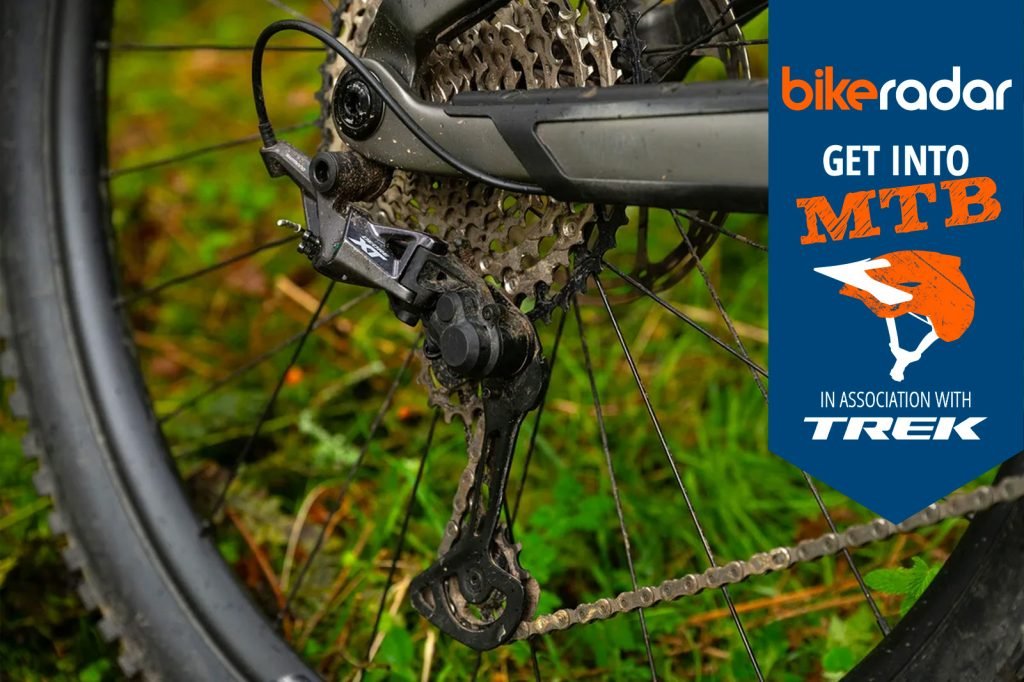
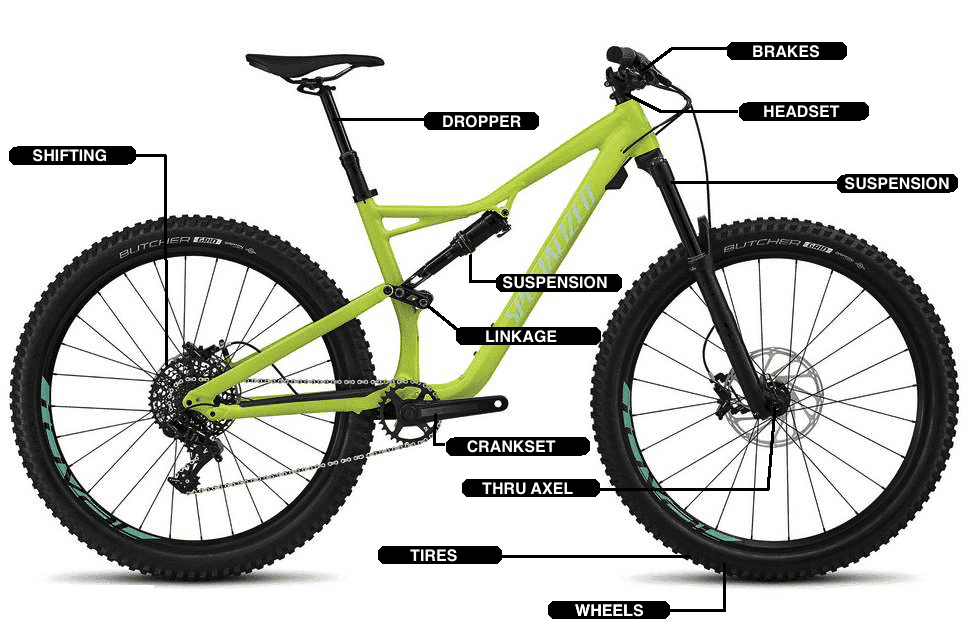
Gears have several parts that work together. The chainmoves the bike forward. The cassetteor freewheelholds the gears. The shifterlets you change gears easily. Maintaining these parts ensures a good ride. Check them regularly for wear and tear.
Credit: ridelikeaninja.com
Choosing The Right Gear
Mountain biking requires choosing the right gear. Look at the terrainfirst. For smooth paths, use higher gears. This gives speed. On rocky hills, switch to lower gears. Easier to climb. Flat ground needs mid-level gears. Helps maintain balance. Gear choice affects your ride. Be aware of the path.
Beginners should keep it simple. Start with mid-range gears. Easier to control. Experienced riders can switch gears more. Faster changes mean better rides. Practice makes gear shifting easier. Know your bike’s gears well. Adjust gears with skill. Experience helps make smart choices.
Shifting Techniques
Keep your pedaling steady while changing gears. This helps the chain move smoothly. Avoid sudden stops when shifting. It can make the chain slip. Practice on flat ground first. You’ll get better with time. Listen to your bike. If it makes noise, check the gears. A quiet bike means a smooth ride. Use gentle pressure on the pedals. Too much force can cause problems. Shift one gear at a time. This keeps things simple and safe.
Shift gears before a hill or slope. This makes pedaling easier. Look ahead to see the trail. Plan your shifts early. Shift to low gears for climbs. Use high gears for flat paths. Avoid shifting when standing on pedals. It can hurt the chain. Practice helps to know the right time. Experiment with different speeds. This helps you learn faster. Always be ready to adjust.
Common Mistakes
Cross-chaining wears out your bike gears fast. It occurs when the chain is on opposite ends of the gears. For example, using the big front gear with the big rear gear. This puts too much pressure on the chain. It can break or stretch. A stretched chain can slip and cause accidents. Always try to keep the chain straight. It will last longer and ride smoother. Listen for any strange noises. They can signal a cross-chain problem.
Chain drops happen when the chain falls off the gears. This can be dangerous during a ride. Check your derailleur adjustments often. They keep the chain in place. Keep the chain clean and lubricated. Dirt and grime make chain drops worse. Watch for worn gears or chainrings. Replace them if they look bad. Regular maintenance keeps your chain running smooth. Chain drops can spoil your biking fun.
Maintenance Tips
Keep your bike gears clean. Dirt can cause problems. Use a soft brush for cleaning. Remove all grime and mud. After cleaning, dry the gears well. Apply bike lubricant carefully. Lubricate each gear gently. This helps gears move smoothly. Avoid over-lubricating. Too much oil can attract dirt. Regular cleaning keeps gears in good shape.
Check your gears often. Look for any damage. Inspect cables and housing. Make sure everything is tight. Loose parts can cause trouble. Listen for unusual sounds. Strange noises mean a problem. Adjust gears if they skip. Skipping gears need fixing. Regular checks prevent bigger issues. Keep your bike running well.

Credit: bikeco.com
Advanced Gear Strategies
Efficient gear shifting enhances mountain biking performance. Anticipate terrain changes to adjust gears smoothly. Maintain a steady pedal cadence for a seamless ride.
Handling Steep Climbs
Use a low gear for steep hills. It makes pedaling easier. Shift early to maintain momentum. Avoid sudden gear changes. They can stress the chain. Keep a steady pace. Use your legs’ strength efficiently. Listen to your bike. If it struggles, shift again.
Maximizing Speed
To go fast, use a higher gear. Pedal harder but not too fast. Keep your cadence steady. Find a comfortable rhythm. Shift to lower gears for quick acceleration. Use higher gears on flat roads. This helps in maintaining speed. Always anticipate terrain changes. Prepare to shift gears accordingly.

Credit: www.bikeradar.com
Frequently Asked Questions
How To Properly Shift Gears On A Mountain Bike?
Shift gears smoothly while pedaling. Avoid cross-chaining to prevent stress on the drivetrain. Anticipate terrain changes by shifting before climbing or descending. Use the right shifter for rear derailleur and left for front. Regularly clean and maintain gears for optimal performance.
Is Gear 1 High Or Low?
Gear 1 is a low gear. It’s used for slow speeds and provides high torque. Ideal for starting, climbing, or towing.
What Is The Best Way To Shift Gears On A Bike?
Shift gears smoothly by pedaling steadily and lightly. Anticipate terrain changes to adjust gears early. Use lower gears for uphill climbs and higher gears for flat surfaces. Avoid cross-chaining to maintain efficiency. Practice regularly to develop a feel for gear changes.
Regular maintenance ensures optimal performance.
When To Shift Gears On A Mountain Bike?
Shift gears on a mountain bike when the terrain changes. Use lower gears for uphill climbs and higher gears for flat surfaces or downhill. Anticipate changes to maintain momentum. Smoothly transition between gears to avoid chain strain and enhance riding efficiency.
Adjust gears according to your speed and trail conditions for optimal performance.
Conclusion
Mastering gear shifting enhances your mountain biking experience. Smooth shifts make uphill climbs easier. Precise gear changes ensure you maintain speed on flat trails. Practice is key to improving your shifting technique. Listen to your bike. Feel the gears engage.
Adjust as needed to tackle different terrains. Remember, every trail is unique. Adapt your gear shifting to the trail’s demands. Explore, experiment, and enjoy the ride. With these tips, you gain confidence on any adventure. Happy biking!



